


A mom contracted a flesh-eating disease after getting a c-section.
Kelley Simmons, from Norfolk in the UK, says her life changed dramatically after she developed an infection following childbirth in 2009. The impact was so severe that she relied on a wheelchair for nine years.
The condition she was diagnosed with was necrotising fasciitis — an exceptionally rare but extremely dangerous infection that can cause skin and soft tissue to break down at speed.
Without rapid treatment, necrotising fasciitis can be fatal. In Kelley’s case, the infection led to her caesarean wound reopening, and doctors feared it would have destroyed any stitches used to close it.
Medics were ultimately able to control the infection using steroids. However, the long-term consequences left Kelley, now 44, unable to work and dealing with ongoing mobility issues.
Kelley needed an emergency c-section after complications meant her son had to be delivered at just six months.
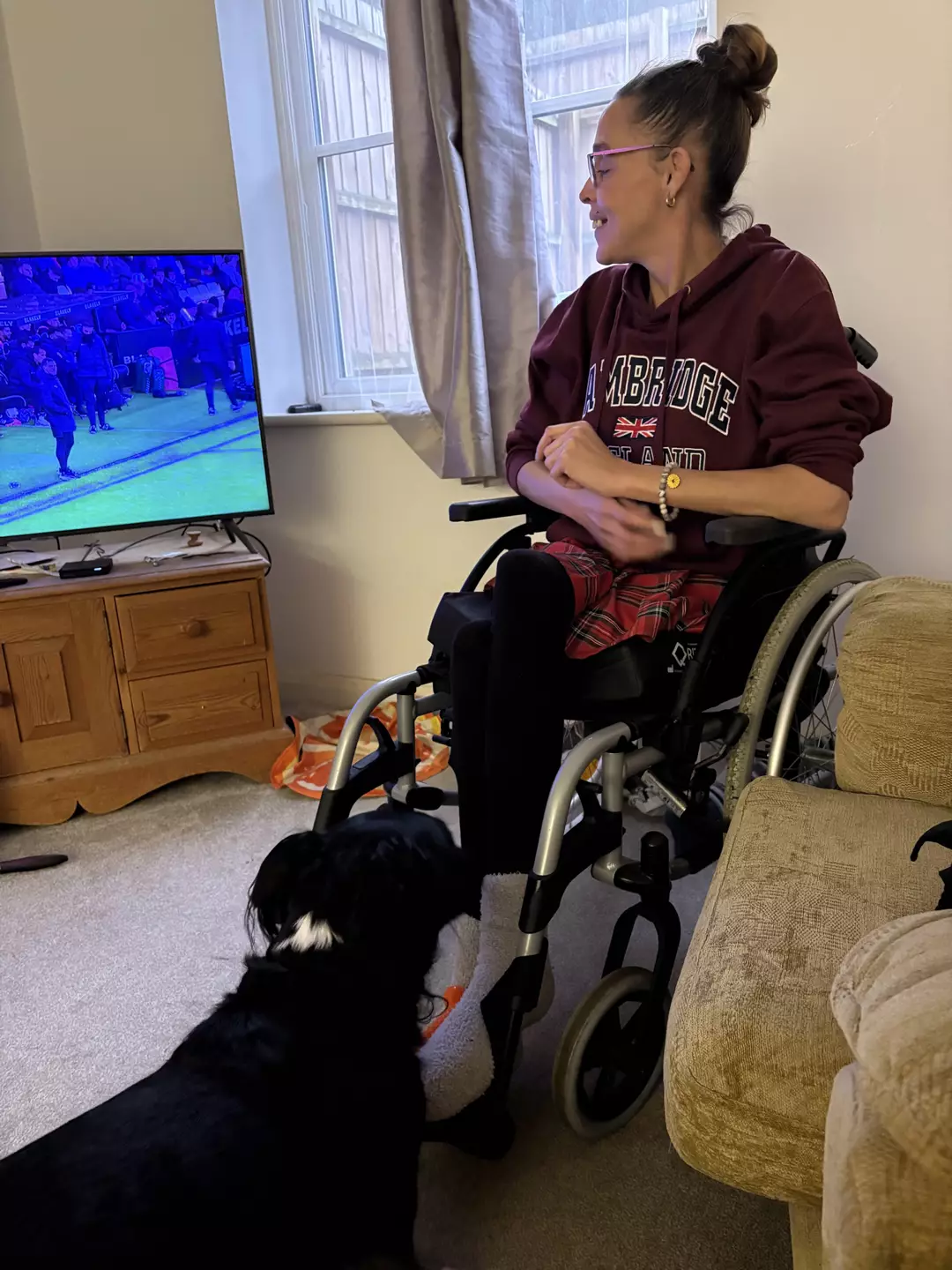
Her son is now 16, and Kelley has spoken about what happened in the weeks and months after the operation.
“I was rushed in to hospital. Doctors gave me antibiotics, but they didn’t work. My stomach started to open up, from one side to the other.
“After doing tests they discovered I had necrotising fasciitis. I was so scared, because you can lose your limbs from it.”
About two weeks after giving birth, Kelley noticed her surgical wound began leaking pus, prompting her to return to hospital for urgent care.
She has claimed doctors later determined the instruments used during her c-section had not been properly sterilised, and that this was believed to be the source of the infection.
Kelley ended up spending three months in hospital and says she was separated from her baby during that time following his premature birth.
“It was horrible being apart from him,” Kelley said.
“Doctors couldn’t stitch the wound up, because the necrotising fasciitis would have just eaten through the stitches.
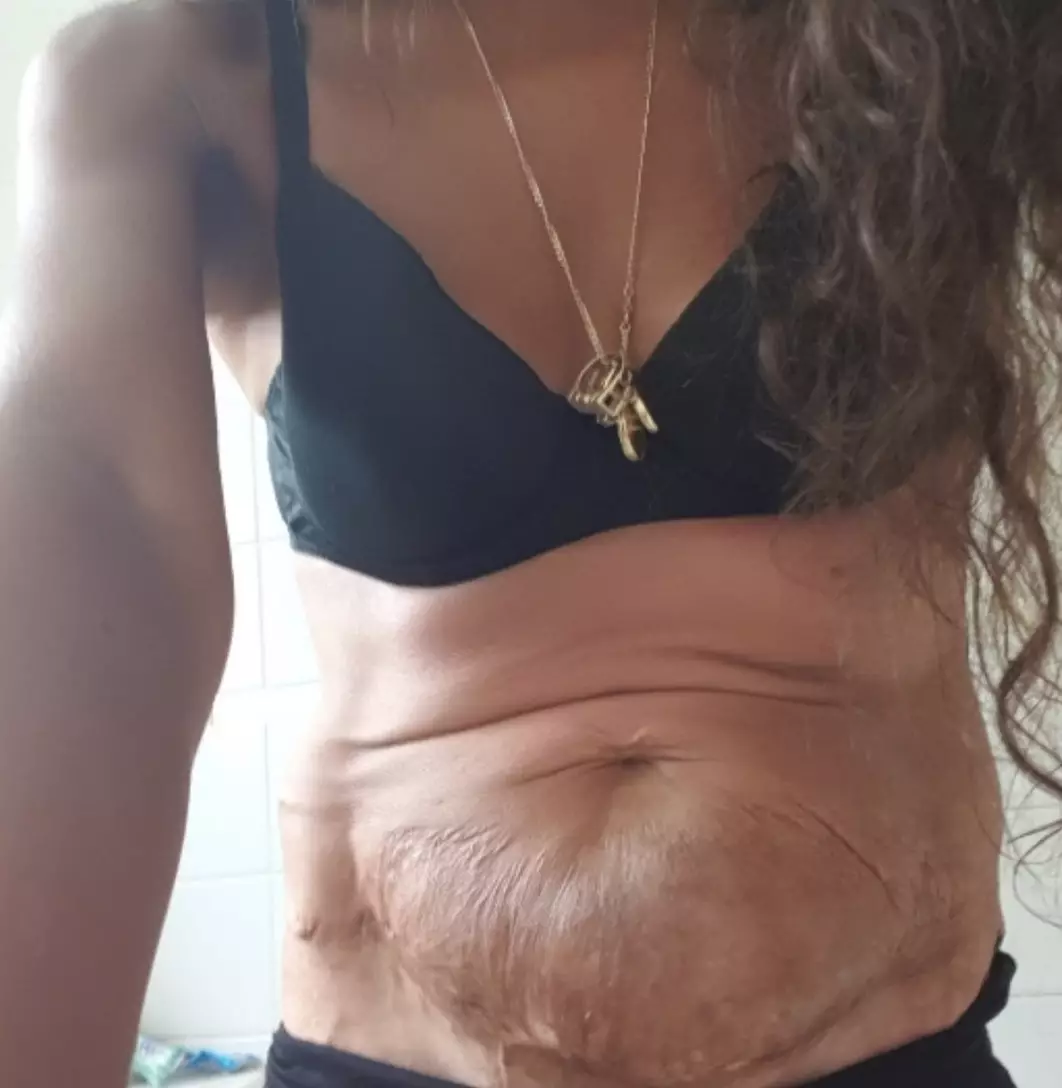
“They sent me home from the hospital with a sanitary towel attached to my stomach, to stop the pus from oozing everywhere.”
In time, Kelley was discharged and says she had to manage the still-open wound at home using a sanitary towel to prevent leakage.
She says it took around a year for the wound to fully close and heal, despite not being stitched.
After spending so long confined to bed, Kelley’s muscle strength deteriorated significantly, and she became dependent on a wheelchair.
Later, she developed a hernia in her abdomen and underwent further surgery. She says complications from that left her with a condition that causes ulcers.
Those ulcers later became infected, and Kelley went on to develop sepsis.
“Doctors gave me 12 hours to live,” she said.
She survived after another three-month stay in hospital, but her health challenges continued.
Although she regained the ability to walk for a period, Kelley was later diagnosed with functional neurological disorder, which again left her using a wheelchair.