

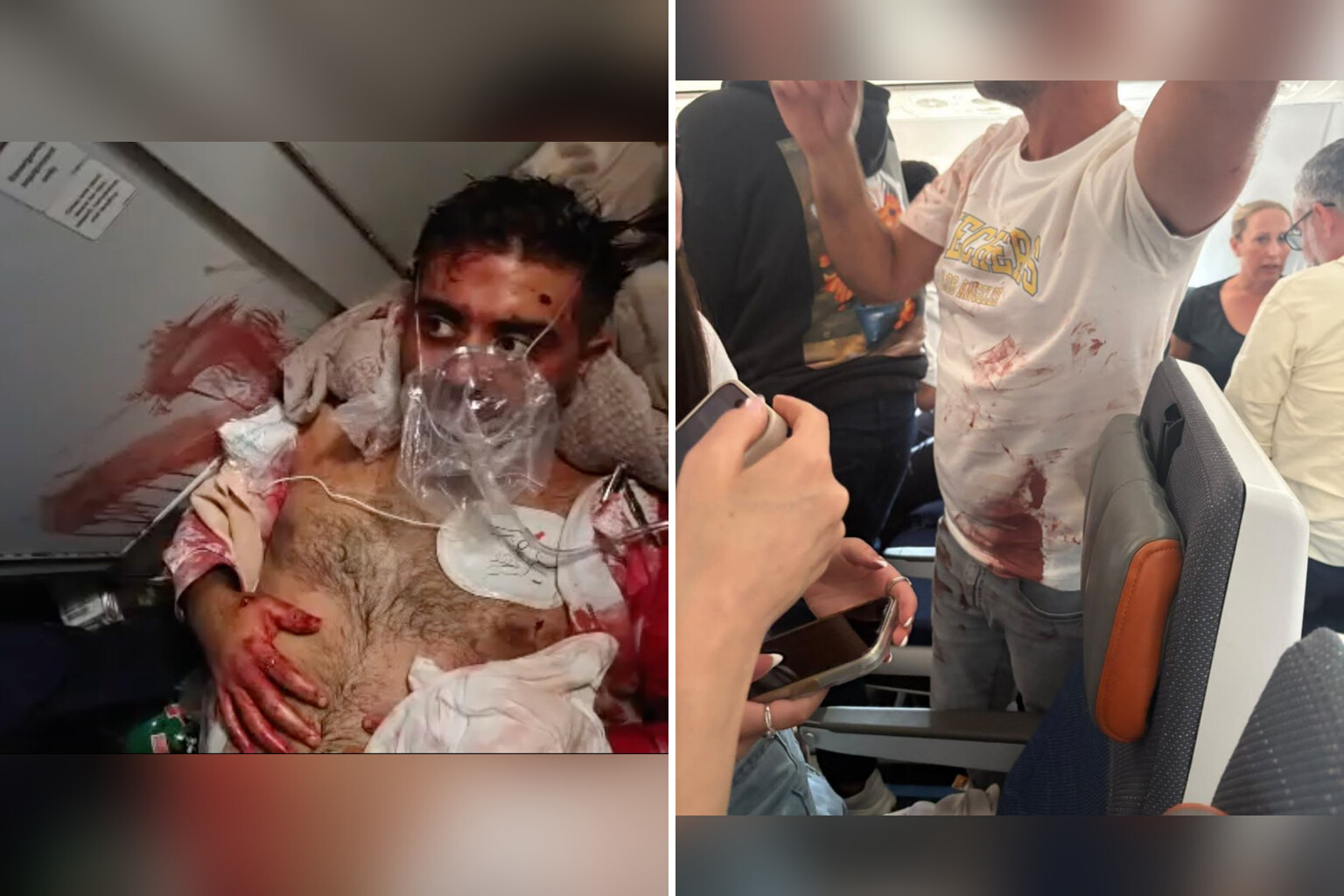
FlyDubai co-pilot Hamam al-Hammami attacked his own captain with a cockpit crash axe in an attempted hijacking that UAE authorities have now classified as a terrorist attack, Prosecutor General Hamad Saif Al Shamsi announced.
The 29-year-old Omani national allegedly targeted pilot Smit Machchhar aboard a Sept. 30 flight bound for Israel, using the emergency axe typically stored in the cockpit for breaking through debris after a crash landing. The weapon is standard equipment on commercial aircraft, meant for emergency egress rather than combat.
The jet plummeted 18,000 feet during the struggle as al-Hammami attempted to seize control of the aircraft, according to the prosecutor general’s account. Passengers ultimately intervened, subduing the co-pilot and preventing what authorities describe as a planned hijacking.

Al-Hammami’s aviation career had already drawn scrutiny before the incident. Oman had previously banned him from flying over concerns that he had adopted extremist views, a red flag that did not prevent his employment with the Dubai-based carrier. The connection between that earlier suspension and his alleged actions aboard Flight 1073 remains under investigation by UAE authorities leading the probe.
The United Arab Emirates has taken sole charge of the investigation and formally designated the cockpit assault as an attempted terrorist attack, elevating what initially appeared to be an in-flight disturbance to a matter of national security. The classification carries significant legal weight in the Gulf state, where terrorism cases are handled through specialized judicial channels.

Prosecutor General Al Shamsi disclosed the axe attack details in his official statement on the incident, confirming the weapon used and the targeted nature of the violence against Machchhar. The pilot’s condition following the assault has not been publicly detailed, though his actions in maintaining the aircraft during the crisis drew praise from Israeli officials.
Israeli authorities specifically commended Machchhar for his handling of the emergency, with one official citing his “immense courage and resolve” in a statement following the safe landing. The flight’s Israel destination added geopolitical dimensions to an already shocking case of aircrew betrayal.
The passengers who subdued al-Hammami have not been individually identified, but their intervention proved decisive in a scenario where cockpit security protocols failed to prevent an insider threat. Commercial aviation security has increasingly focused on such vulnerabilities since the September 11 attacks, though screening procedures for flight crew remain distinct from passenger checks.
Al-Hammami now faces prosecution in the UAE under terrorism statutes, with the attempted hijacking charge carrying potential penalties including life imprisonment. The case has also prompted scrutiny of FlyDubai’s hiring and oversight procedures, particularly regarding crew members with prior security flags from other national authorities.
The Omani national’s path from a grounded pilot in his home country to the co-pilot’s seat on an international flight to Israel raises questions about information sharing between Gulf aviation regulators, a gap that regional security officials are likely to address in forthcoming reviews.