


Food experts have shared valuable advice on the safety of consuming leftover meals from Christmas and ways to minimize the risk of foodborne illnesses.
The Christmas feast is often a centerpiece of the holiday celebrations, and ideally, all the delicious food would be enjoyed to the fullest.
However, when people find themselves too full and unable to eat another bite, leftovers become inevitable.
It is crucial to handle leftovers properly to avoid the risk of food poisoning, which can occur if food is not preserved correctly for later consumption.
The Food Standards Agency, a UK authority on food safety and hygiene for England, Wales, and Northern Ireland, has provided guidance on how to manage leftovers safely.
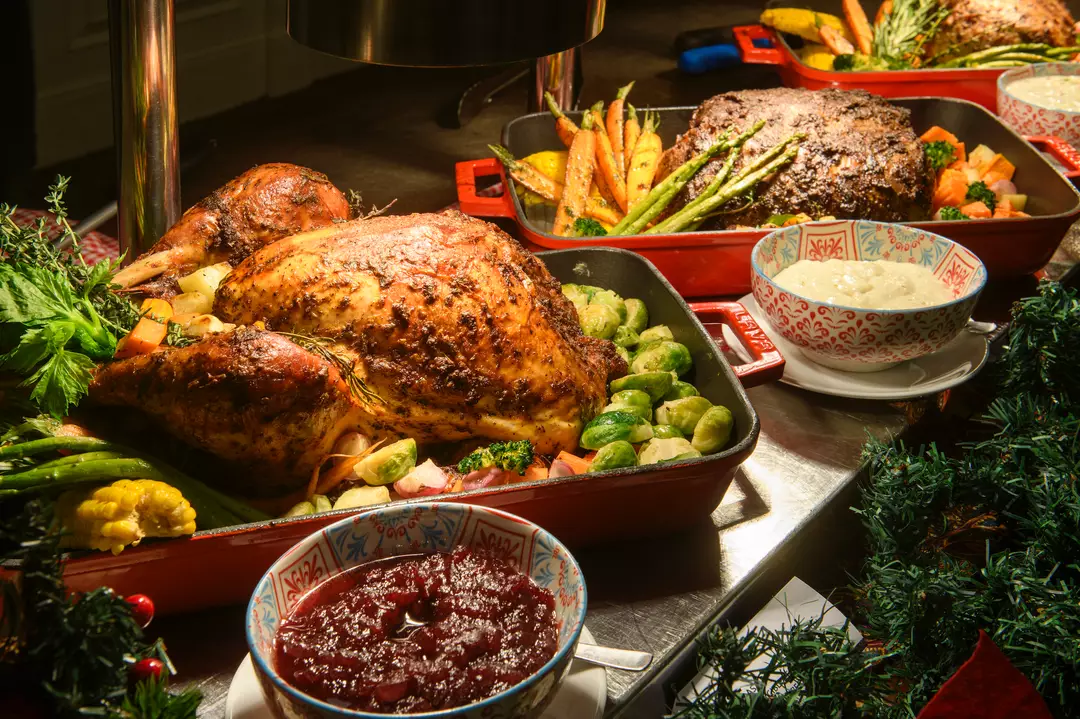
The agency emphasizes that leaving Christmas dinner leftovers out for over two hours or consuming food that isn’t chilled presents a significant food safety risk.
They stress the importance of adhering to use-by dates and advise against leaving buffet items exposed for more than four hours to avoid potential hazards.
In their festive advice, the FSA stated: “Use-by dates are about safety, not quality. Don’t eat food past its use by date.
“Keep it cold. Buffet food shouldn’t sit out for more than four hours.”
Ignoring these guidelines can increase the risk of harmful bacteria like salmonella and campylobacter multiplying quickly.
To avoid spending the holiday break with unpleasant symptoms like diarrhea or vomiting, it is wise to take these precautions seriously.
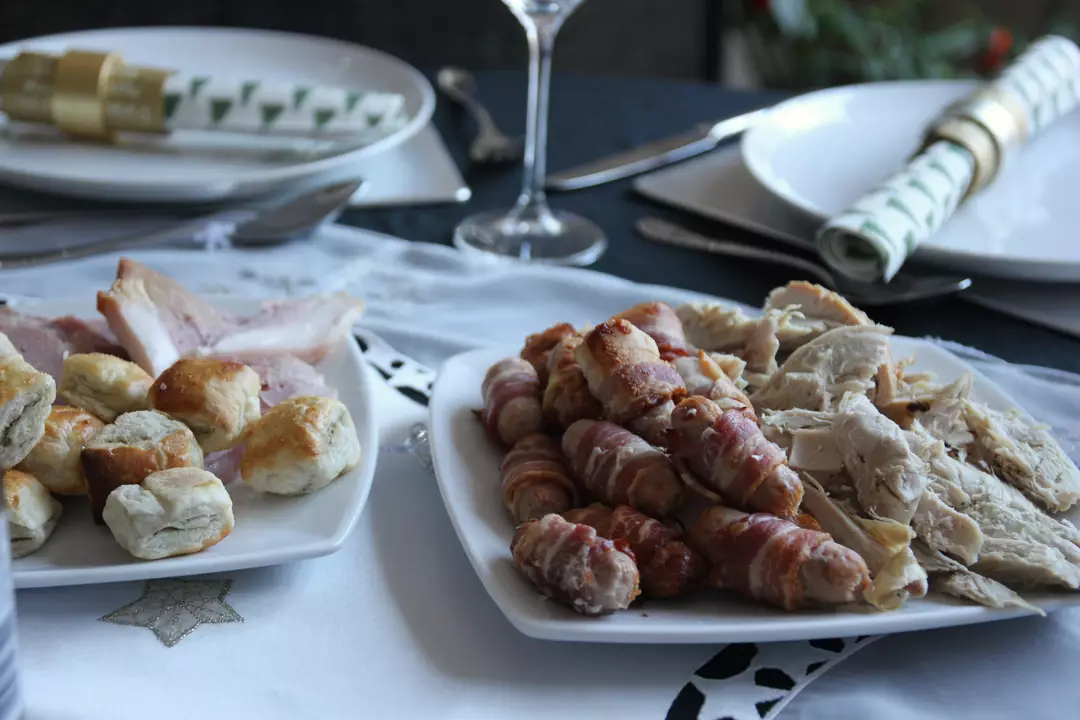
The FSA also provided specific advice on storing turkey, a staple of Christmas dinners, to minimize food poisoning risks.
The agency advises that cooked turkey can be frozen and kept for up to six months, but once thawed, it should be consumed within 24 hours and not refrozen.
For those planning to prepare uncooked items from Christmas, it’s crucial to ensure proper thawing and cooking at high temperatures to eliminate any bacteria.