

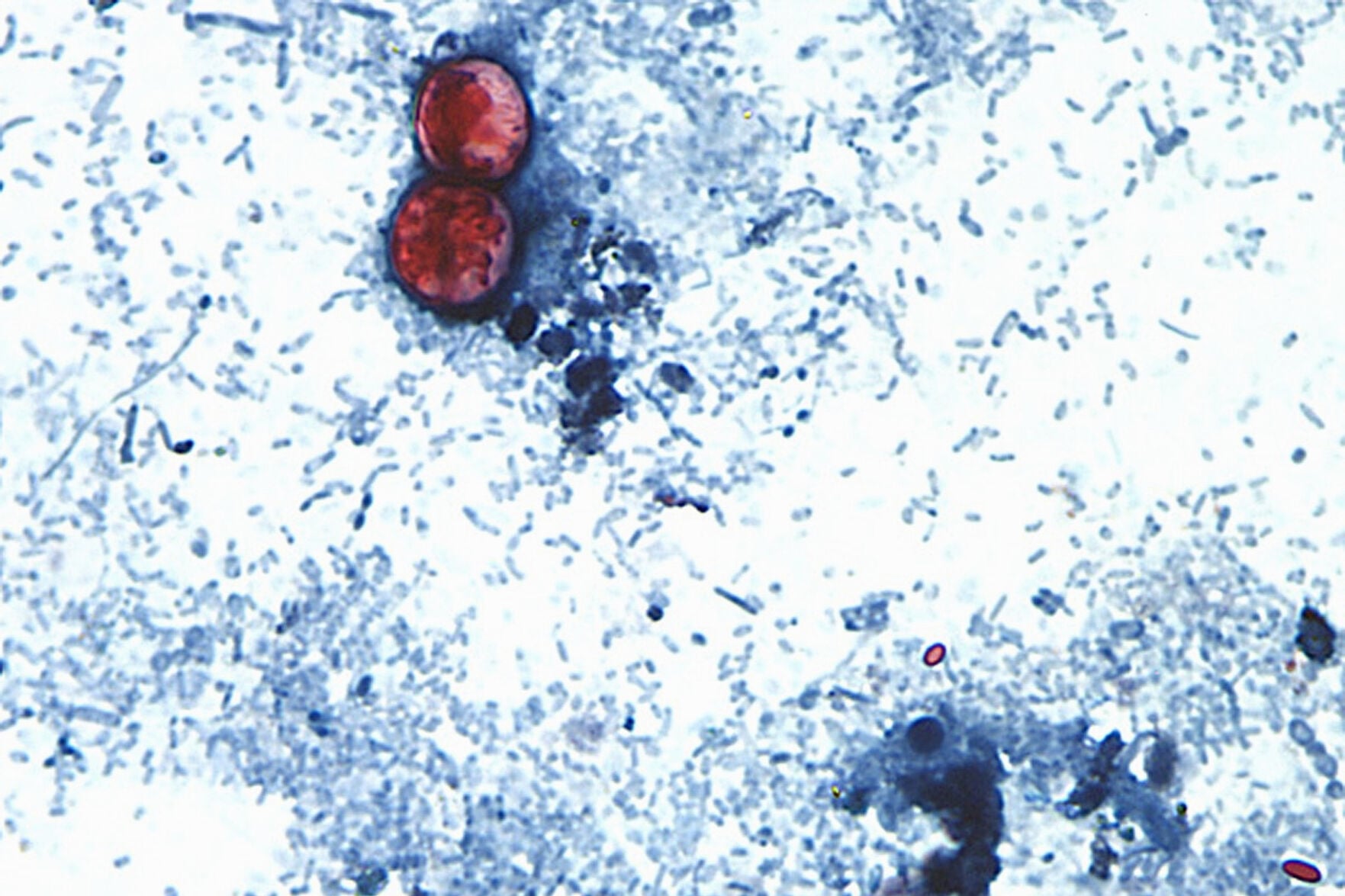
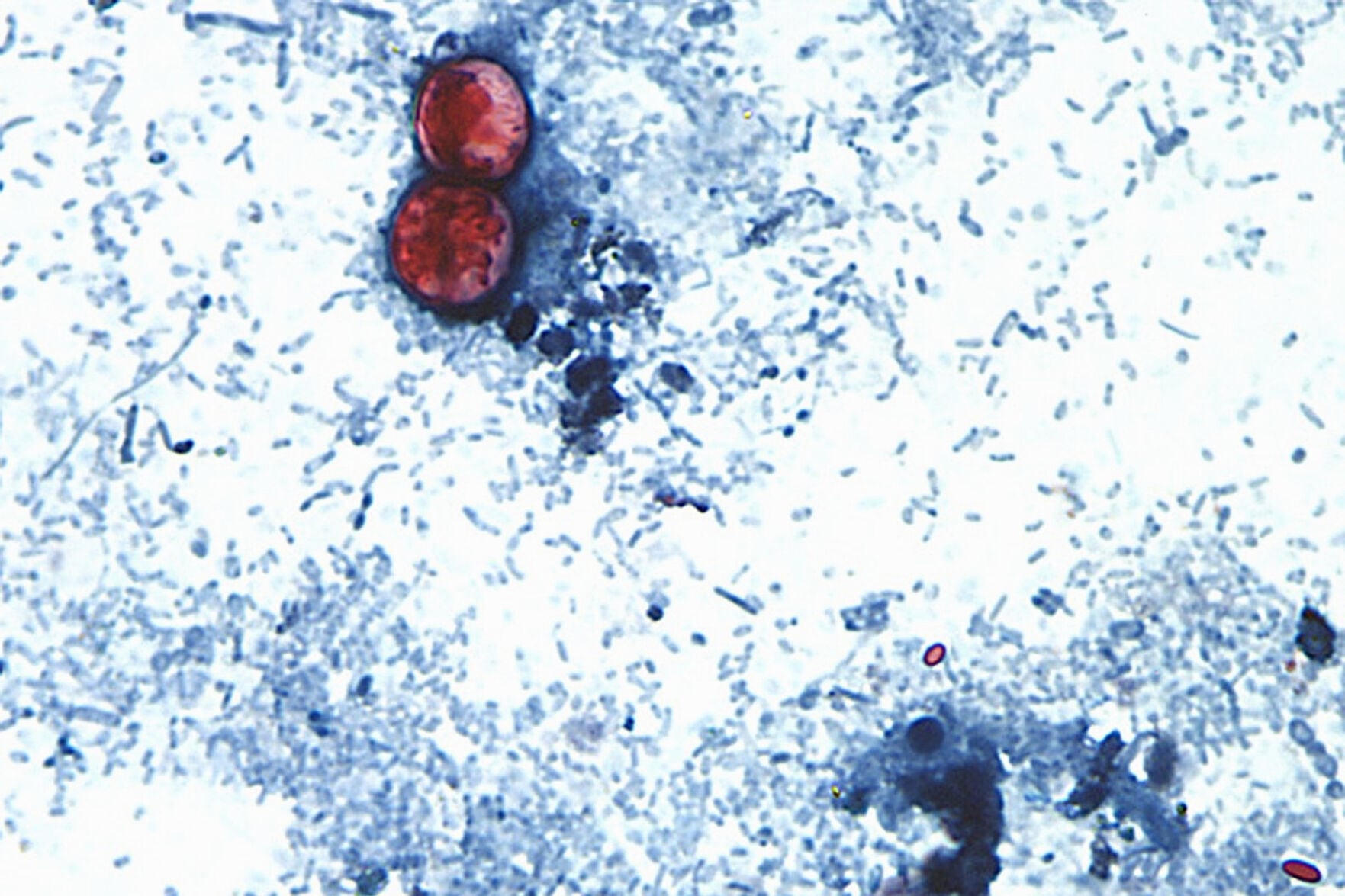
Big U.S. Restaurant chains do not frequently face foodborne illness outbreaks, yet when contamination strikes, the enormous scale of meals they serve creates substantial public health concerns. The current crisis involving Taco Bell illustrates this dynamic clearly. Federal health officials identified iceberg lettuce from Mexico served at Taco Bell locations in five states as a source of widespread infections from cyclospora, a diarrhea-causing parasite that has affected thousands across the nation.
The Food and Drug Administration investigation traced the contaminated lettuce to a single supplier. Taco Bell responded by saying the affected ingredient from its supplier would be indefinitely removed from its supply chain nationwide and replaced within 24 hours in select states, describing the move as precautionary. The supplier was identified as Taylor Farms, a company based in Salinas, California, that produces fresh vegetables for commercial use and meal kits and bagged lettuce products sold at supermarkets.
The scope of the current outbreak is significant. More than 1,644 people infected with cyclospora and reporting exposure to Taco Bell have been reported across five states, with illnesses starting from May through July. Federal officials noted 94 hospitalizations and no deaths have been reported. The Michigan Department of Health and Human Services found that 90 percent of interviewed cases who had eaten at Taco Bell reported consuming iceberg lettuce. Federal health officials also stressed that other brands, restaurants, retailers or distribution channels could be identified as the investigation continues, indicating the contaminated lettuce may have reached other locations beyond Taco Bell.
This current crisis reflects a pattern seen across the restaurant industry. While major chains remain relatively insulated from such outbreaks, the volume of customers they serve means contamination can affect thousands rapidly. McDonald’s experienced an E. Coli outbreak in 2024 tied to raw onions on Quarter Pounder hamburgers. The outbreak sickened at least 104 people in 14 states, with 34 hospitalized and one person in Colorado dying. McDonald’s said the onions came from Taylor Farms and temporarily pulled the Quarter Pounder from its menu in affected states. Other national restaurant chains subsequently temporarily stopped using fresh onions in some locations.
Wendy’s pulled lettuce from sandwiches in its Michigan, Ohio, and Pennsylvania restaurants in August 2022 after customers reported falling ill. The Centers for Disease Control and Prevention determined that romaine lettuce was the likely source of an E. Coli outbreak that sickened at least 37 people across multiple states.
Perhaps no chain has faced consequences as severe as Chipotle Mexican Grill. The company was linked to multiple foodborne illness incidents between 2015 and 2018. In December 2006, Taco Bell itself had ordered removal of green onions from its 5,800 restaurants nationwide after investigators detected a harsh E. Coli strain. That outbreak sickened at least 71 people in New Jersey, New York, Pennsylvania, and Delaware, with most hospitalized. Eight people developed hemolytic-uremic syndrome, a type of kidney failure. Taco Bell immediately launched a newspaper advertising campaign and sent its president on media interviews to assure customers the food was safe.
A deadly outbreak at Jack in the Box between 1992 and 1993 proved transformative for food safety regulation. Four deaths and more than 700 illnesses in Washington, Idaho, California, and Nevada were traced to undercooked hamburgers contaminated with E. Coli. That outbreak led to regulatory changes that continue shaping how restaurants and producers monitor food safety today.
Chipotle’s crisis proved even more consequential. Between 2015 and 2018, the chain experienced a series of highly publicized foodborne illness outbreaks involving E. Coli, norovirus, and Salmonella affecting customers across multiple states. In its largest outbreak, 55 people were infected with E. Coli O26 across 11 states, with 21 hospitalized. The chain closed 43 restaurants for deep cleaning and retraining. In 2020, Chipotle agreed to pay a record $25 million fine to resolve criminal charges that it had served tainted food sickening more than 1,100 people. The company admitted poor safety practices, such as failing to keep food at proper temperatures to prevent pathogen growth, had sickened customers in Los Angeles, Boston, and several other cities and towns. By the end of 2015, Chipotle’s Co-CEO Montgomery Moran stepped down as sales plunged.
The U.S. Department of Agriculture implemented a Hazard Analysis and Critical Control Point system to help identify and control hazards within food production. The system provided more monitoring and controls to rapidly limit the spread of outbreaks. These measures, along with heightened industry awareness, have made large-scale outbreaks less frequent, though recent events demonstrate they remain possible when contamination occurs at the supplier level rather than within individual restaurants.