

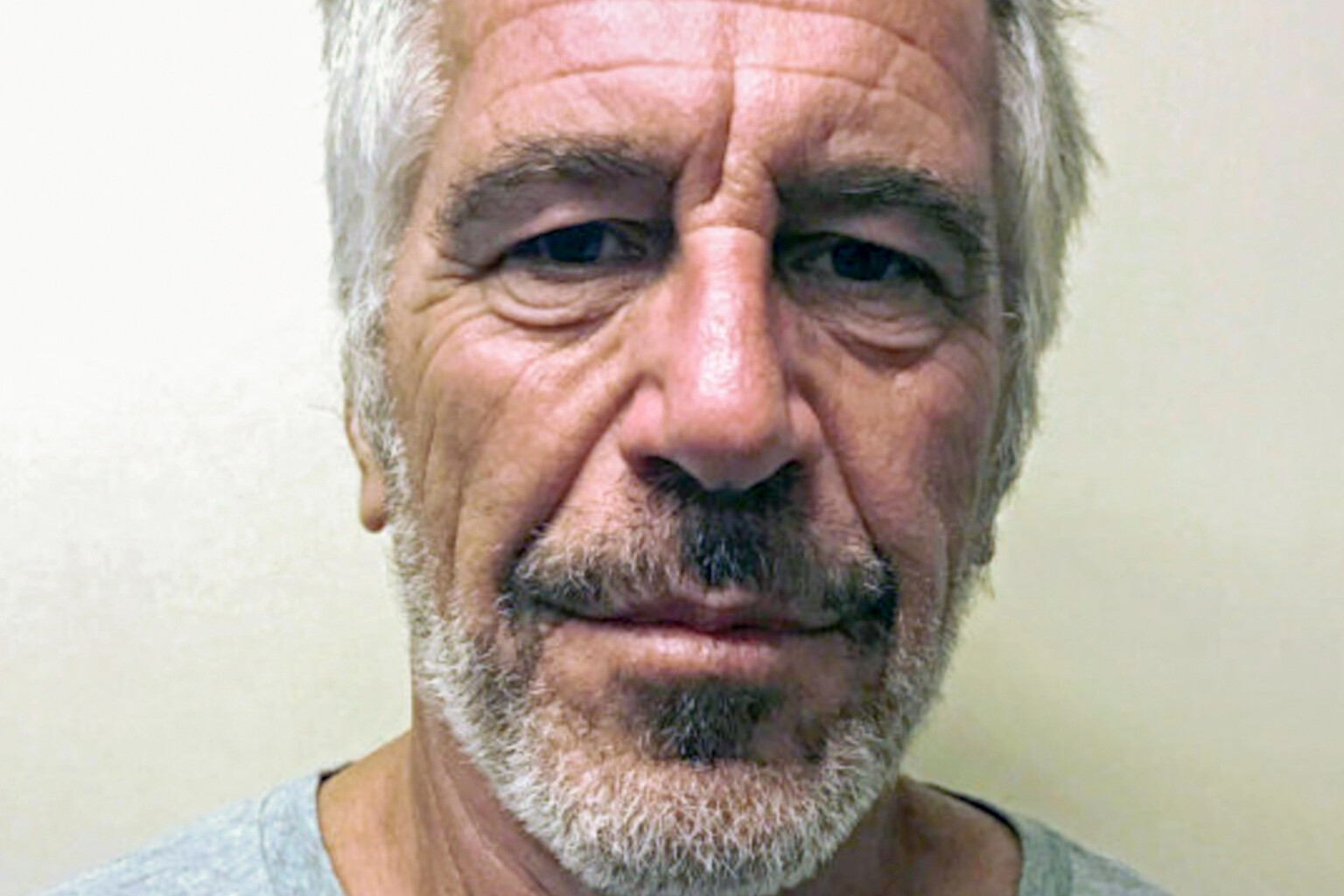
A forensic expert who reviewed Jeffrey Epstein’s autopsy materials has publicly challenged the official suicide ruling, declaring the evidence points to homicide by strangulation.
Professor Michael Freeman, who has served as an expert in US death-in-custody cases including the killing of George Floyd, said’s Newsnight he examined images and written records from the New York City medical examiner’s report. Epstein’s brother, Mark Epstein, passed those materials to him. Freeman, who did not see the body itself, said his research has not been peer reviewed and noted he was not paid by Mark Epstein, who has long maintained his brother was murdered in custody.
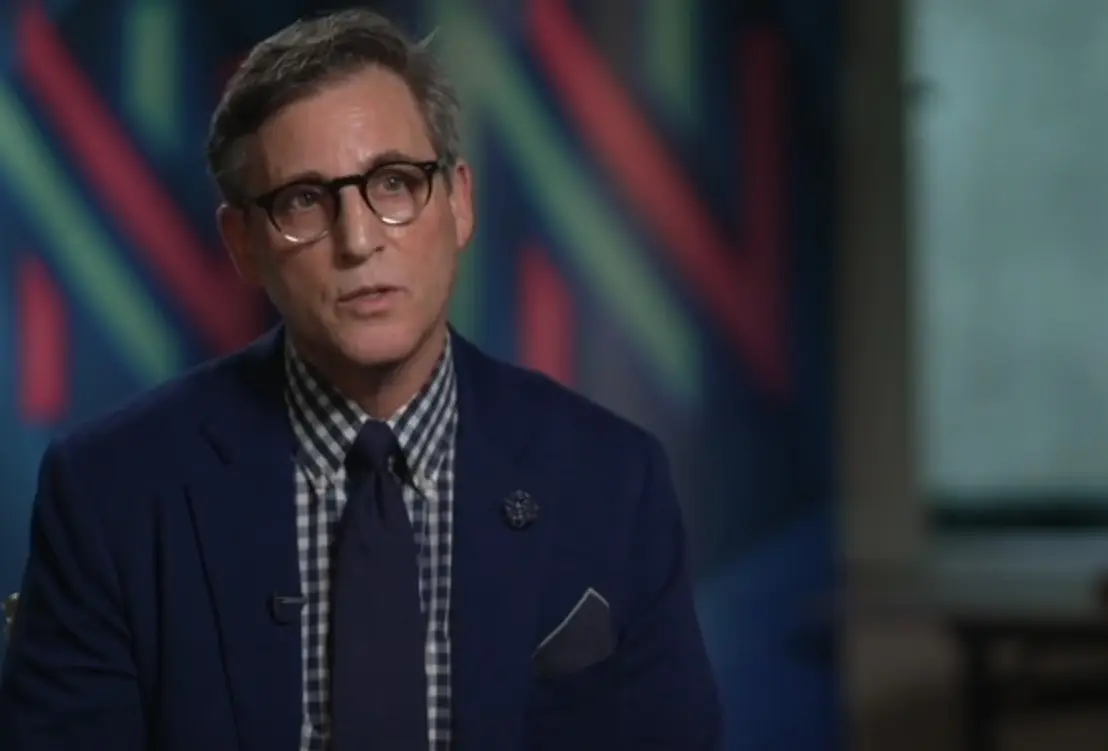
Freeman identified specific injuries he said do not align with suicide by hanging. He pointed to a left shoulder hemorrhage and wounds he believed matched blows to the face. He also highlighted fingernail marks above the ligature marks on Epstein’s neck, which he said indicated the victim had tried to remove the ligature himself.
“That would be consistent with strangulation, particularly from behind. And the attempt by the victim to try to remove the ligature from the neck,” Freeman said.
He further argued the method involved strangulation using a ligature, which was then employed to suspend the body from the cell bed. “The injuries and the way the body was found don’t match up,” he said. “There’s only one remaining explanation then, and that is that the death was as a result of a homicide.”
Freeman emphasized he had “no idea” who might have killed Epstein if his death were not a suicide. “That is not something I have an opinion about,” he continued. “That isn’t any part of any investigation that I’ve done.”
When pressed on whether his conclusions risked fueling conspiracy theories, Freeman pushed back directly. “I have the luxury of being able to say, don’t take my word for it, let everybody look at it,” he said.
“If you think I’m still a conspiracy theorist because I’m looking at something that looks like a strangulation and say, I think it is a strangulation and I don’t think it could be a hanging, show me where I got it wrong,” Freeman added. “I’m wide open to that. I’m an academic. I’m quite happy to hear people’s theories on things that are informed.”
The official findings have not wavered since 2019. The New York City medical examiner concluded after autopsy that Epstein’s injuries were consistent with suicide by hanging and found no defensive wounds suggesting homicide. Dr. Barbara Sampson, the chief examiner at the time, has previously stated, “I stand firmly behind our determination of the cause and manner of death for Mr. Epstein.” The original medical examiner also told the Justice Department’s Office of the Inspector General that the injuries were more consistent with suicide than strangulation homicide.
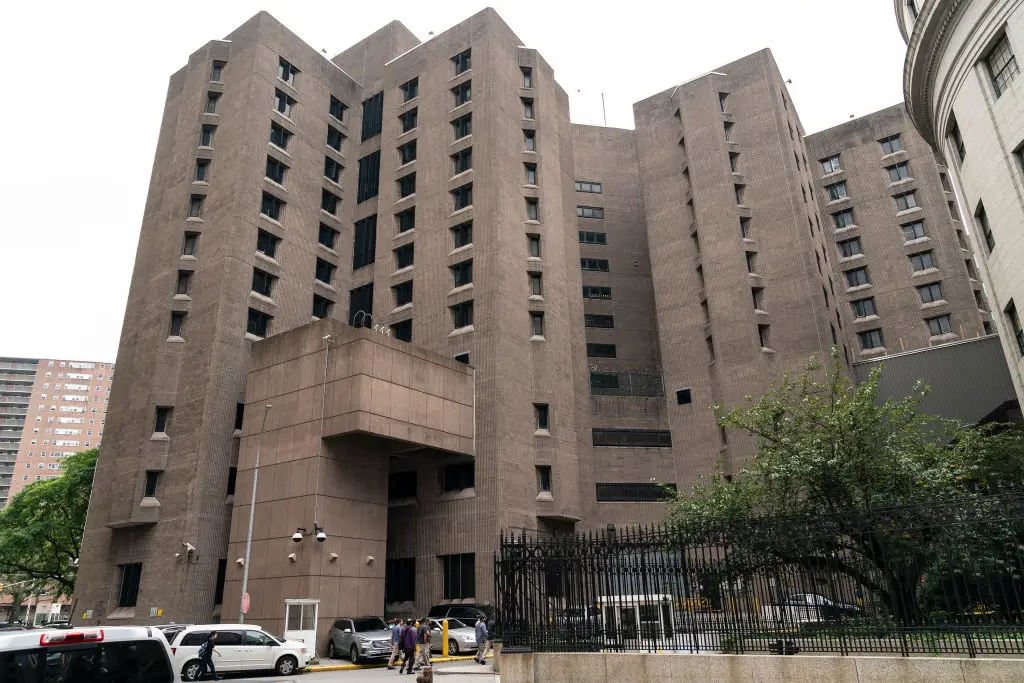
Epstein, a financier and convicted sex offender, was found dead in his cell at the Metropolitan Correctional Center in New York on August 10, 2019. He was awaiting trial on federal sex trafficking charges involving a network of underage girls, to which he had pleaded not guilty. His death came after he had been taken off suicide watch despite a prior attempt, and amid documented failures by prison staff to conduct required checks on his unit that night.
Freeman’s assessment arrives as questions about Epstein’s death have persisted across political and public discourse, amplified by the circumstances of his detention and the high-profile nature of his associates. The forensic expert’s willingness to subject his findings to scrutiny—while standing by his homicide conclusion—adds a new dimension to the ongoing dispute over one of the most closely watched prison deaths in recent American history.