

An ex-CIA operative has disclosed the crippling effects of Havana Syndrome, a perplexing condition that has affected numerous US diplomats.
This phenomenon, also referred to as anomalous health incidents (AHIs), was first identified in Cuba in 2016. By the subsequent year’s end, similar occurrences were identified in various parts of the globe including Russia, China, Australia, and Colombia.
Although not officially recognized as a legitimate medical condition, the US government has initiated another investigation to uncover the origins of this mysterious syndrome.
Initial suspicions pointed towards Russian involvement, yet FBI probes determined that most cases were ‘unlikely’ linked to a foreign adversary.
Further investigations labeled Havana Syndrome as ‘a mass psychogenic illness.’
Recently, reports from CNN suggest that the Defense Department has been assessing a device for a year, which was discreetly acquired by Homeland Security Investigations. Some officials speculate this device might relate to the syndrome.
This device, costing ‘eight figures’, emits pulsed radio waves and incorporates Russian components, though it is not fully Russian-manufactured.
The device’s portability—small enough to fit in a backpack—raises concerns about its potential covert use.
Though the device’s link to the condition remains a subject of debate within governmental circles, this development has fueled discussions on whether Havana Syndrome could stem from an energy weapon.
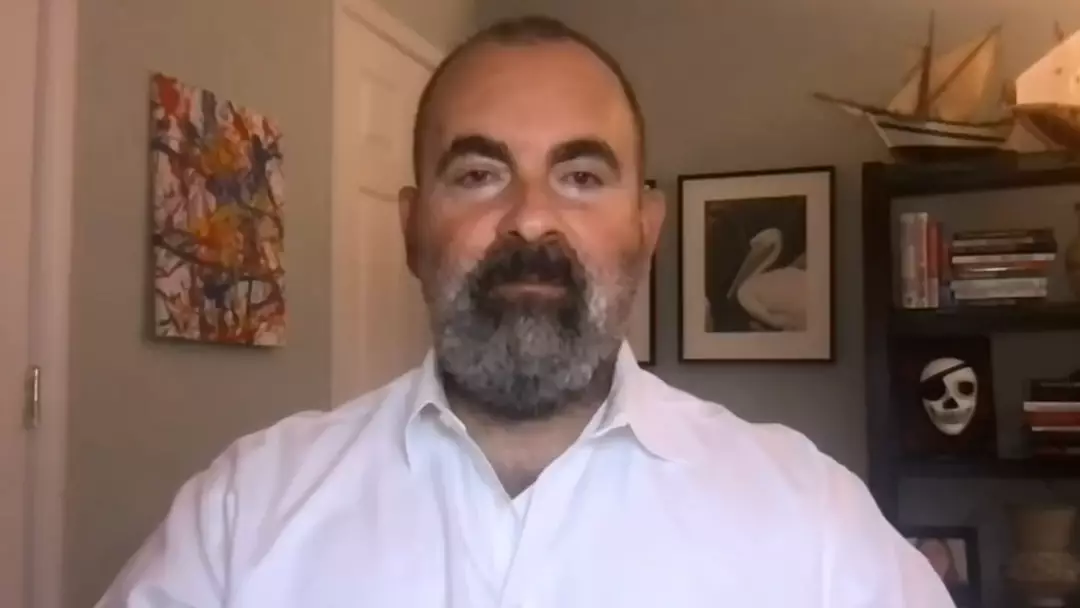
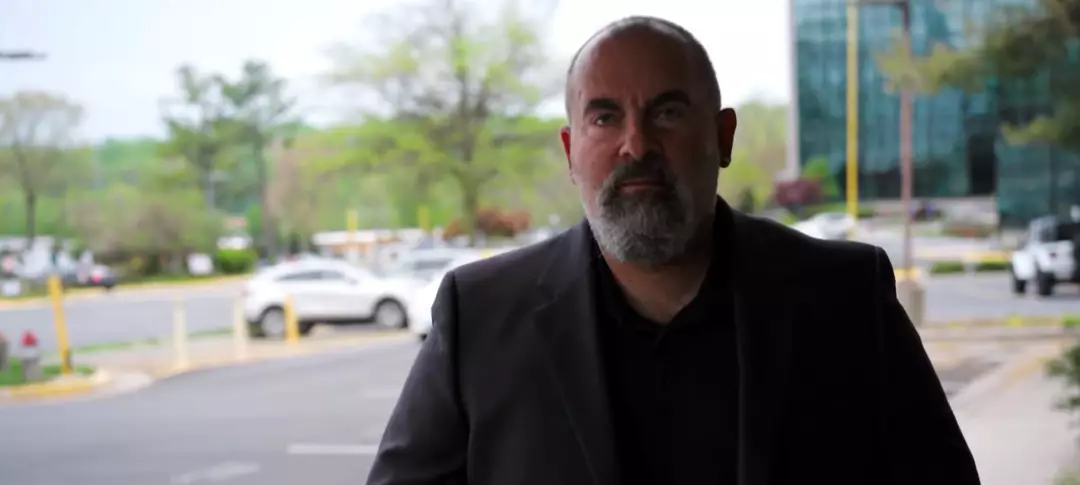
Regardless of its cause, many individuals have suffered from the ailment. Marc Polymeropoulos, a 26-year veteran of the CIA, recounted his alarming experience in a 2024 essay for The Insider.
The Intelligence Service officer, with prior assignments in Iraq and Afghanistan, experienced his first attack in December 2017 during a business trip to Moscow, Russia, where he became ‘violently ill.’

Polymeropoulos described waking abruptly in a luxury hotel in the middle of the night.
“The room was spinning, the vertigo would not stop, and I had tinnitus — terrible ringing in my ears,” he described.
“I could not get up without falling to the floor. I felt like I was going to throw up and pass out at the same time. It was terrifying, and I was in serious distress.”
Although the dizziness receded, another severe episode occurred a few days later at a notable Moscow restaurant frequented by the Russian elite.
“I spent almost the entirety of the final 36 hours of the trip holed up in my Moscow hotel room wondering what the hell was wrong with me,” he mentioned.
Upon returning home, he embarked on a lengthy quest to diagnose his condition, enduring persistent headaches and chronic pain that ‘became his life’.

By April 2018, Polymeropoulos struggled with severe brain fog and visual impairments that impacted his ability to drive. These health challenges led to depression, anxiety, and disrupted sleep and eating patterns.
Additionally, he developed insomnia and severe sleep apnea, a condition marked by interrupted breathing during sleep.
Following several years of medical attention, Polymeropoulos received a diagnosis at Walter Reed National Military Medical Center’s National Intrepid Center of Excellence (NICoE). There, he was identified with mild traumatic brain injury (TBI), severe sleep apnea, anxiety disorder, insomnia, cervical pain, cervicogenic headaches, and occipital neuralgia.
Residing in Northern Virginia, Polymeropoulos noted that NICoE attributed the mild TBI to an ‘external exposure event’.
Addressing reports of US government testing on a device possibly associated with Havana Syndrome, Polymeropoulos expressed to CNN: “If the [US government] has indeed uncovered such devices, then the CIA owes all the victims a f**king major and public apology for how we have been treated as pariahs.”