

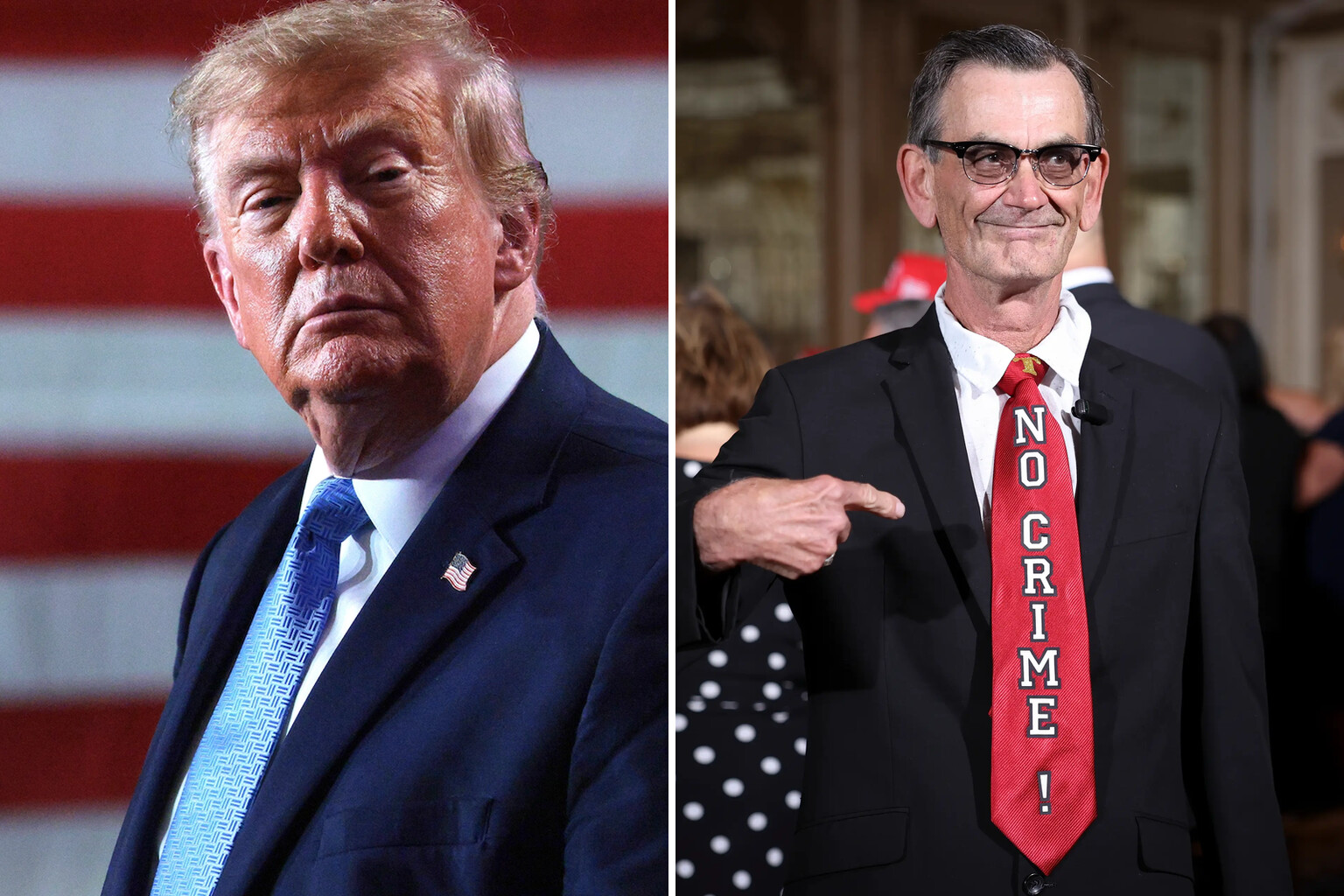
Rick Frazier has turned on Donald Trump and given him a scathing new nickname.
Frazier, 70, a former Ohio factory worker who once followed Trump to rallies across the country as one of his devoted “Front Row Joes,” now calls the president “the king of the swamp,” he told The Post. The reversal follows the Democrats’ sweeping midterm victories last November 3, which flipped control of both the House and Senate in what was dubbed a “blue tsunami.”
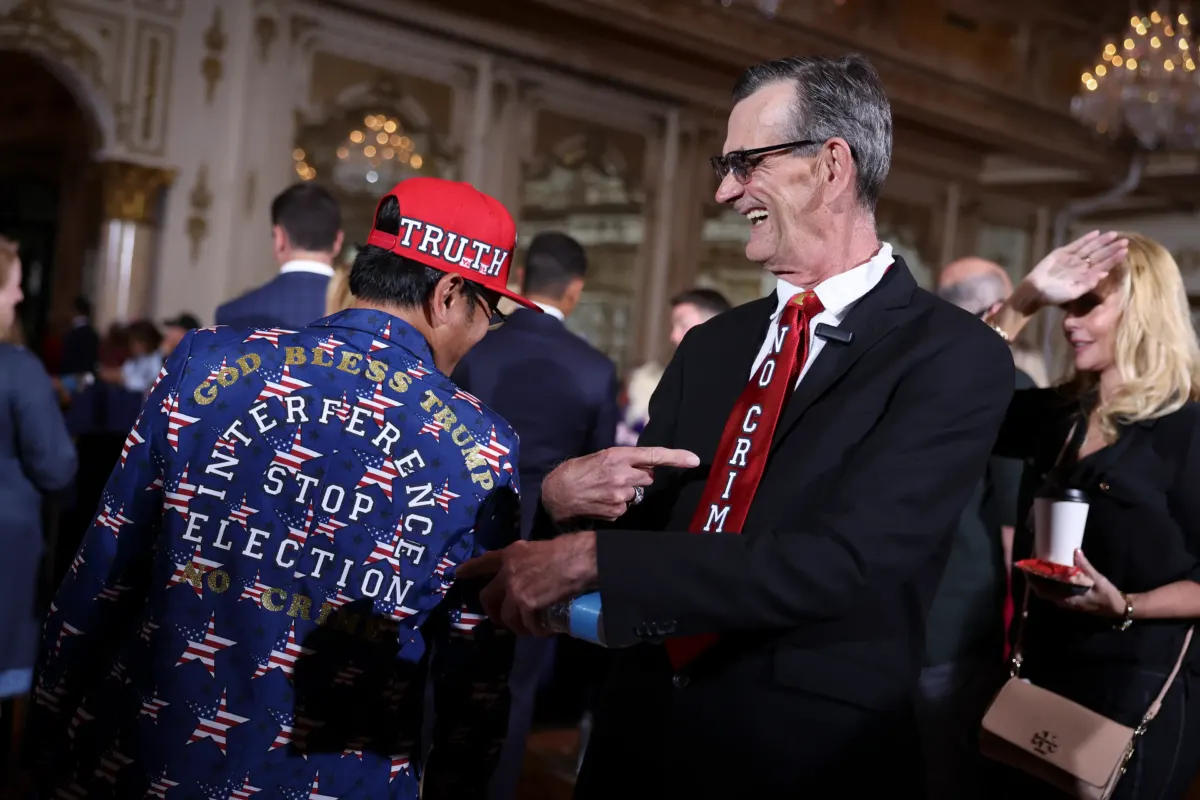
The former megafan had his house covered in MAGA paraphernalia and built a national profile as a fixture at Trump rallies. But the election results, combined with policy decisions that struck him personally, shattered his loyalty.
Frazier’s disillusionment crystallized around Trump’s pardon of former Honduran president Juan Orlando Hernández, who had been sentenced to 45 years in prison for running a “narco-state” that funneled cocaine into the United States. Frazier’s daughter died of a drug overdose, and the pardon hit him directly.
“It got [him] all upset,” he told The Post.

The “king of the swamp” label carries particular sting given Trump’s signature 2016 campaign promise to “drain the swamp.” That slogan pledged tighter restrictions on lobbyists and political money, with stricter rules preventing government officials from rapidly cycling into lucrative influence-peddling careers. Frazier told The Post that little progress on those fronts left him frustrated and bored with the administration’s follow-through.
Not even a personal signed letter from Trump expressing condolences for his daughter’s death could preserve Frazier’s allegiance. The gesture, once meaningful enough to display, now sits in the context of a broken political bond.
On midterm day, Frazier split his ticket deliberately. He backed Republican congressman Jim Jordan for the House but crossed party lines for Ohio’s governor and Senate races, voting Democratic. The strategic divide reflected a broader recalculation.
“I’m kind of going to go back to the way I was before Trump,” he resolved. “I was independently swinging wherever the best guy was running. And that’s the way I think it should be.”
The “blue tsunami” that helped trigger Frazier’s break delivered Democrats Senate seats in Kansas, Iowa, Texas, Ohio, Maine, and both Carolinas. Kansas had not elected a Democratic senator in nearly a century. The results left Trump facing the prospect of a “lame duck” final stretch of his presidency, hemmed in by a hostile Congress.
Frazier’s defection underscores how the midterm rebuke cut into Trump’s base in unexpected places. The “Front Row Joes” were once the most visible symbol of the movement’s fervor — ordinary supporters who spent their own money and vacation time to trail a political figure like groupies following a band. For one of them to not only walk away but weaponize Trump’s own branding against him signals a particular kind of reputational damage.
Trump’s “drain the swamp” rhetoric helped power his outsider appeal in 2016, positioning him as a disruptor of entrenched Washington interests. The slogan’s repurposing by a former true believer turns that narrative back on the president with precision.
Frazier’s return to independent swinging suggests he views his Trump years as an aberration rather than a permanent realignment. His voting pattern in November — Republican for Jordan, Democratic for statewide offices — indicates a voter parsing candidates individually rather than accepting party-line packaging.