

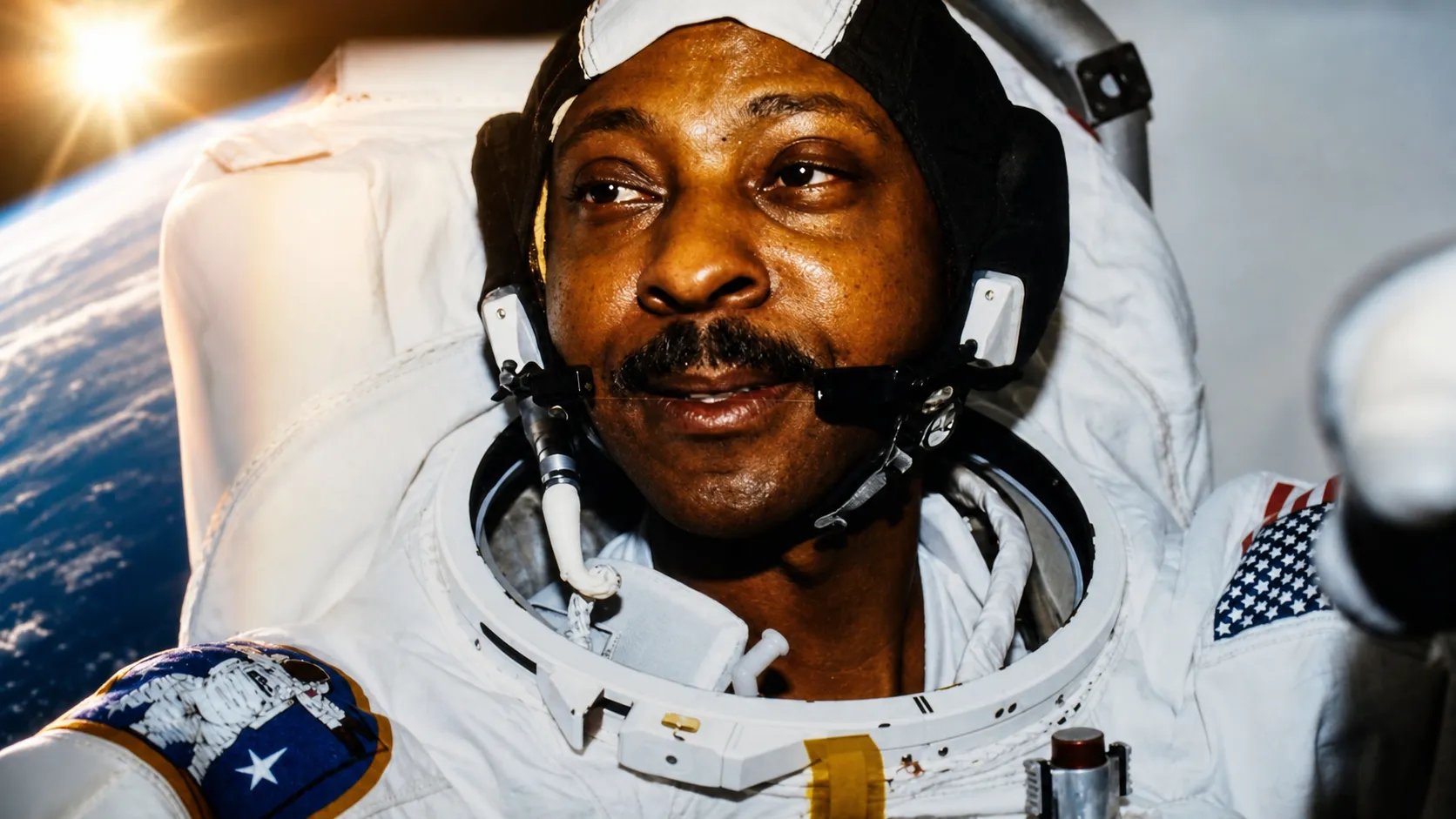
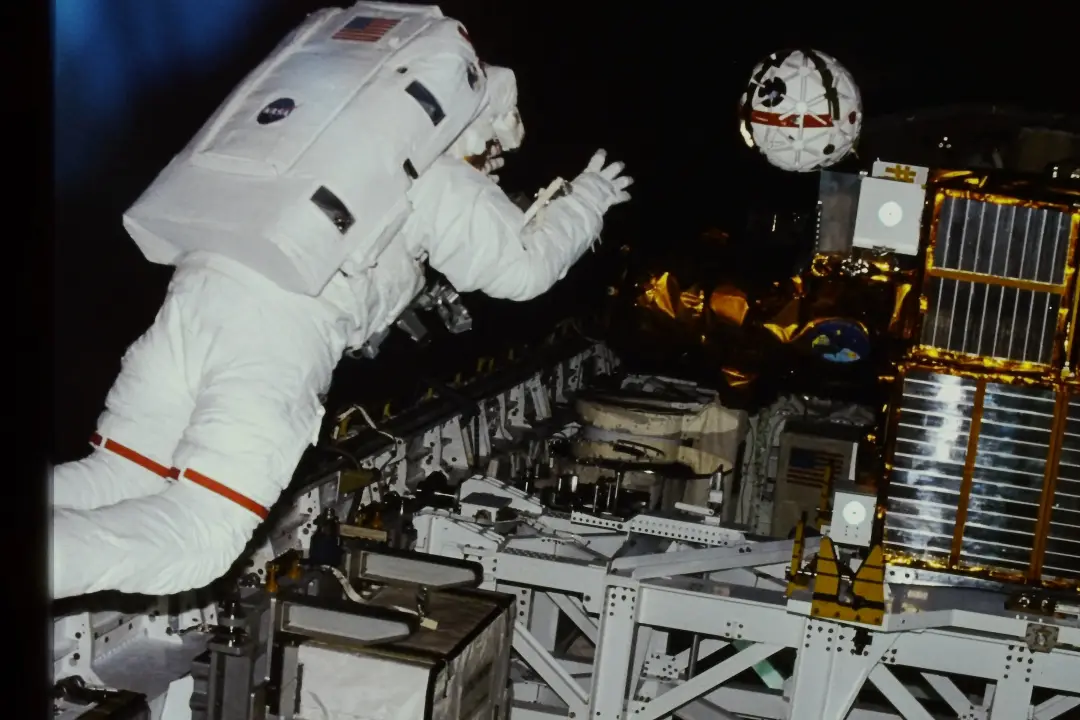
Veteran astronaut Winston Scott spent 24 days, 14 hours and 34 minutes in space, flew on two Space Shuttle missions, and completed three spacewalks totaling 19 hours and 26 minutes.
After years of being asked about the hazards of working outside a spacecraft and the odd routines of life in zero gravity, Scott says the most powerful part of the experience was something far quieter.
For him, nothing compares to seeing Earth from orbit.
Reflecting on his time above the planet, Scott said the view from space permanently reshaped how he thinks about life back home.
“I don’t think you can travel into space and see Earth from that perspective without it changing you in some way,” he said.
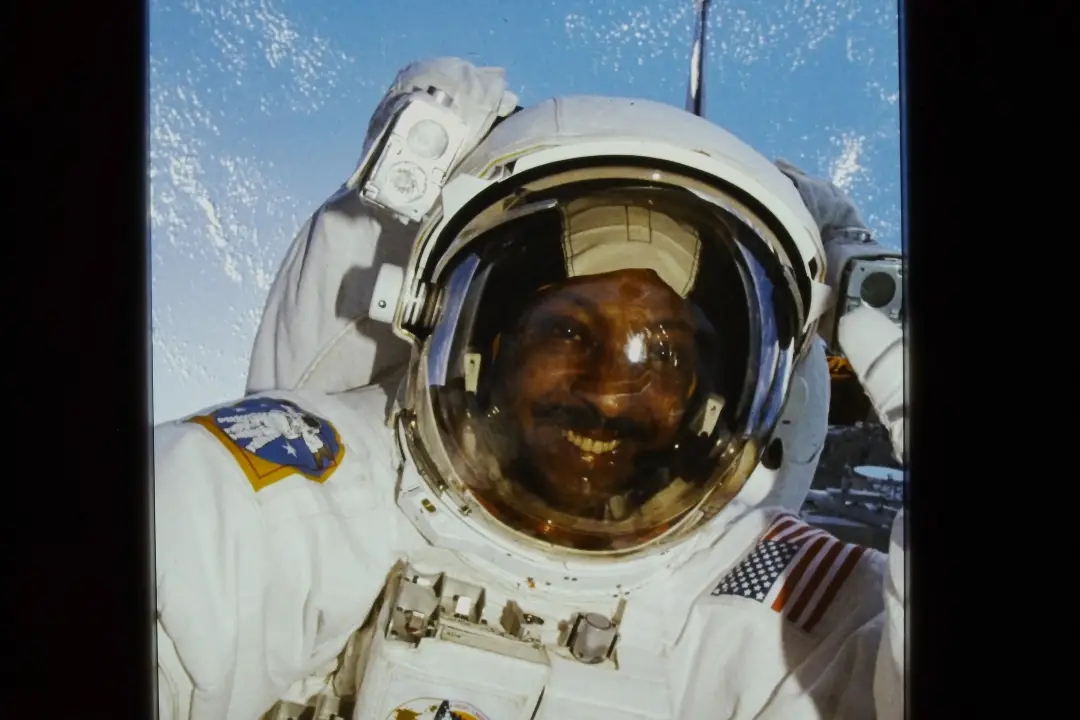
Some people who have traveled into space describe the experience in spiritual terms.
“I wouldn’t necessarily call my experience religious, but it was certainly profound,” he said.
“When you’re flying in an aeroplane, no matter how high you go, you can only see as far as the horizon. In space, though, you see the horizon, and then you see beyond it.
“You see Earth, the Moon, the Sun, the stars, and the vastness of space around them. It really gives you a sense of just how small our planet is.
“One of the most striking things is seeing Earth’s atmosphere. From space, it’s visible as a very thin layer surrounding the planet, only about 50 miles thick. It looks incredibly fragile, almost paper-thin, yet that’s the layer of air that sustains all life on Earth.”
He said that vantage point brings home just how vulnerable the planet really is.
“You start to see Earth not as a collection of countries, but as a shared home that we should protect and take care of,” he explained.
“You also realize that the borders and divisions we focus on so much down here aren’t visible from space. You can’t see where one country ends, and another begins. You don’t see political differences or competing philosophies. What you see is one planet, inhabited by one human family.”
That mindset, Scott said, does not disappear once the mission is over.
Scott continued: “That perspective stays with you when you come home. It changes the way you think about everyday problems. You become less likely to get upset about the small things that so often consume our attention. Many of the things we worry about every day seem far less important when you’ve seen Earth from orbit.
“I try to keep that perspective with me. When something minor goes wrong, I remind myself that it’s probably not worth getting worked up about. Instead, I focus on what’s truly important and move forward.
“I think that’s a very timely message, and one that’s especially relevant right now.”
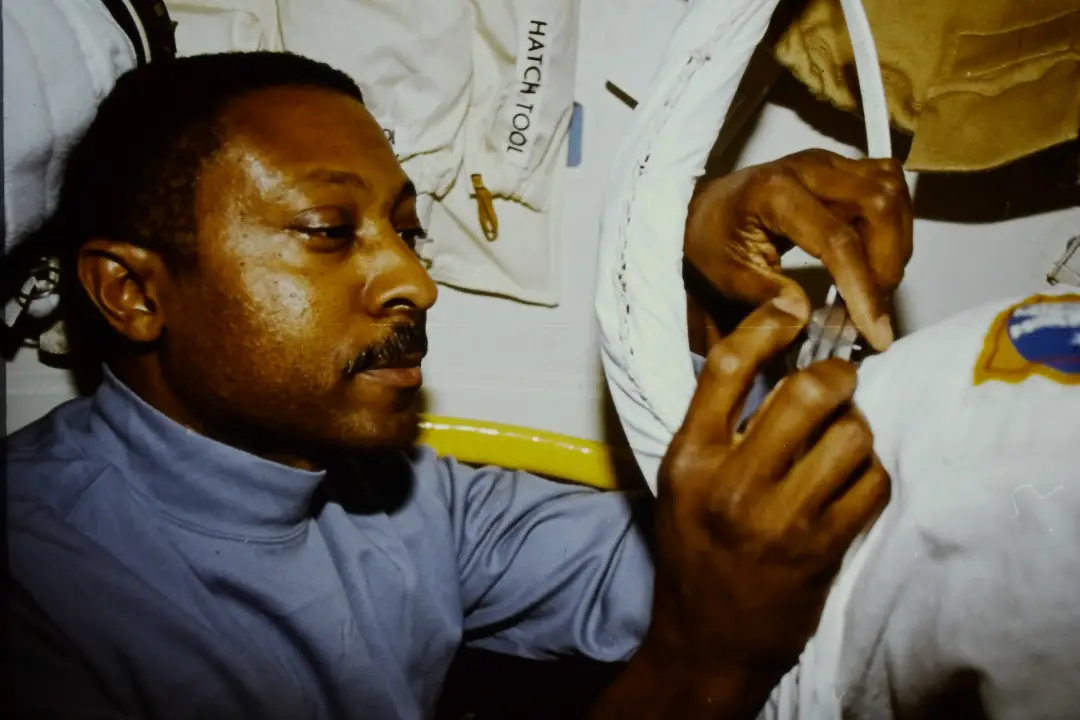
Although people are often fascinated by the mechanics of orbiting Earth, from getting rid of rubbish to washing hair in weightlessness and handling the strain of spacewalks, Scott says those challenges are not what stayed with him most.
More than the discomfort, the maintenance work, or even sleeping without gravity, it is the image of Earth below that has lasted.
“The things people argue and fall out about are so inconsequential,” he said. “You realize how stupid arguing over them is.”
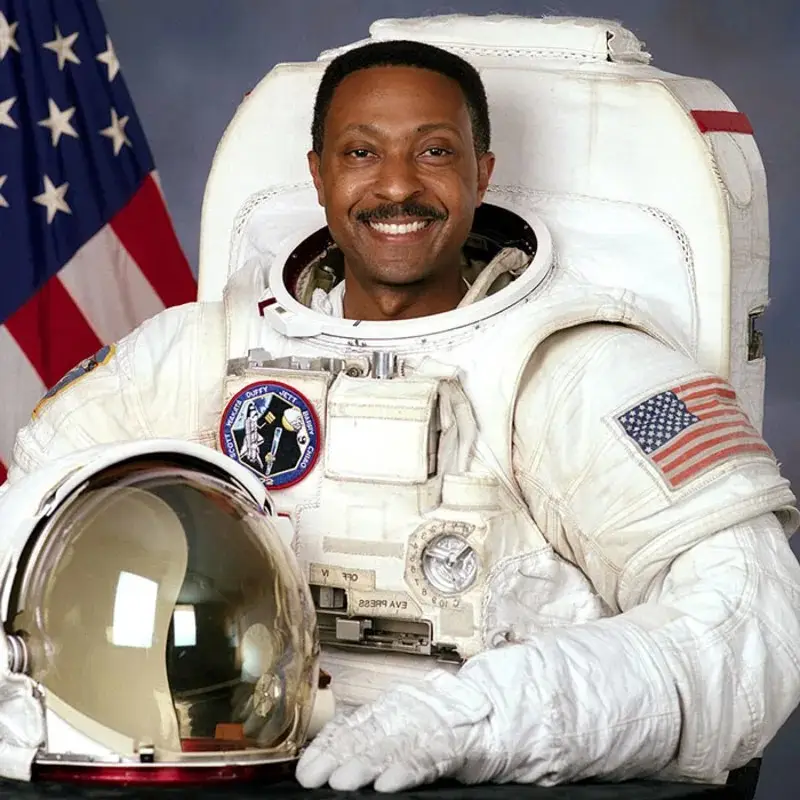
It is a lesson he has carried long after returning to Earth, and one he believes others could benefit from embracing as well.
Winston Scott is a former NASA astronaut and former U.S. Navy captain. He was selected by NASA in 1992, flew two shuttle missions in 1996 and 1997, and retired from NASA and the Navy in 1999. In the years since, he has held leadership roles in academia and aerospace, and he retired from Florida Institute of Technology in 2021 as professor emeritus. He also authored Reflections From Earth Orbit.
Today, Scott remains a familiar presence at Kennedy Space Center Visitor Complex in Florida, where visitors can meet veteran astronauts during Astronaut Encounter presentations and learn more about the U.S. Space program. The visitor complex opens daily, with hours varying by season, and continues to offer guests access to exhibits, launch experiences, and astronaut programs.
For more information go to www.kennedyspacecenter.com