

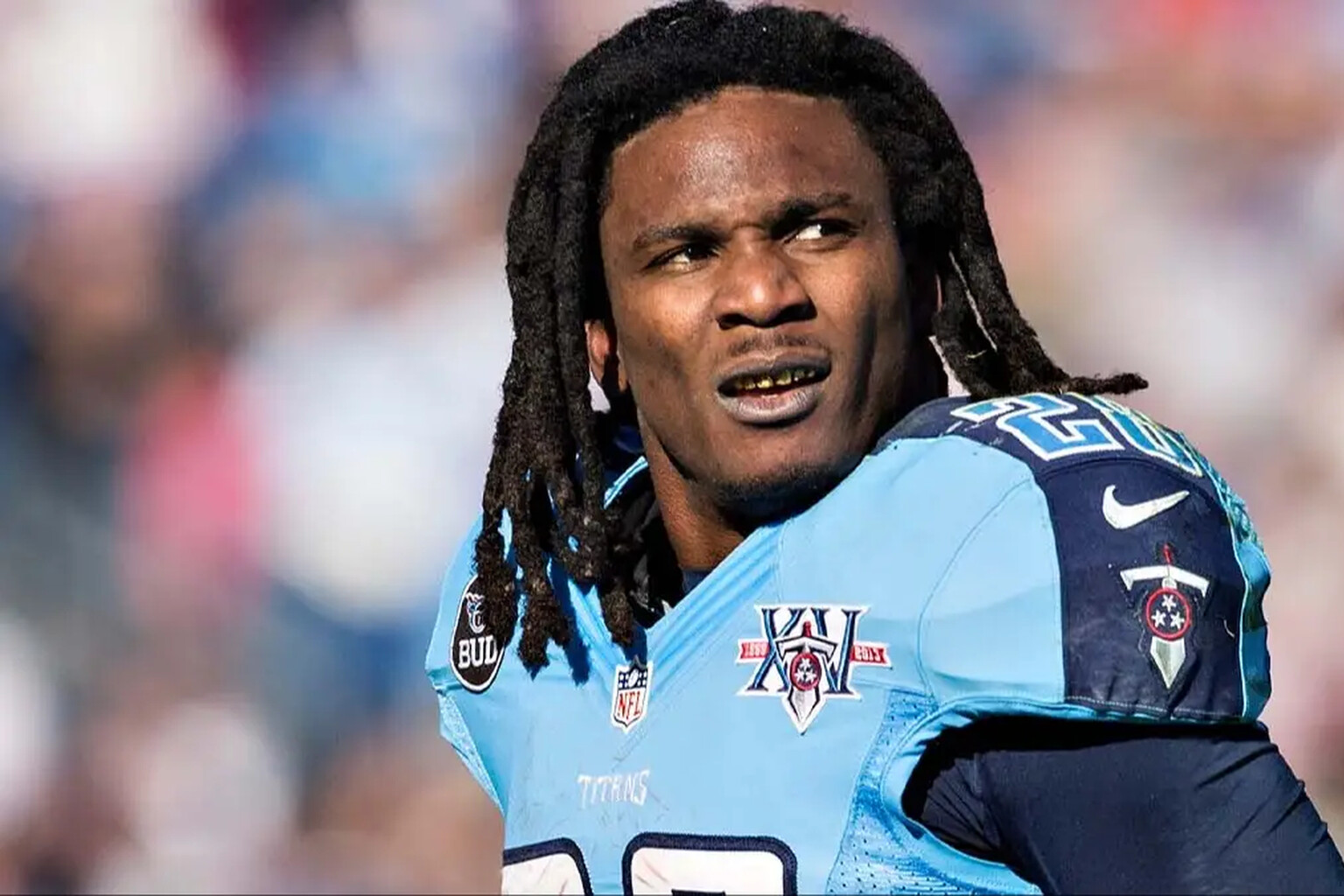
Chris Johnson is opening up about whether he believes his NFL career played a role in his ALS diagnosis.
The former Tennessee Titans running back, 41, received the diagnosis of amyotrophic lateral sclerosis seventeen months ago at age 39, according to an interview he gave to PEOPLE. He now communicates using a speech-generating tablet controlled by his eyes, a technology that has allowed him to share his perspective on the progressive neurological disease that destroys nerve cells controlling voluntary muscle movement and eventually leads to paralysis and respiratory failure.
Johnson, who earned the nickname ‘CJ2K’ after rushing for 2,006 yards in the 2009 season, spent six seasons with the Titans after they drafted him in 2008. He was named to three Pro Bowls, earned First-team All-Pro honors, and was crowned NFL Offensive Player of the Year that same record-breaking season. He went on to play four more seasons with the New York Jets and Arizona Cardinals before retiring in 2018, closing out a career that established him as one of the most explosive running backs in league history.
“Football has come up throughout this process when we’ve talked with doctors because I played the game basically my whole life,” Johnson said. “That’s a big part of my history. My doctors haven’t told me that football caused my ALS, and they haven’t been able to point to one specific reason why I developed it.”
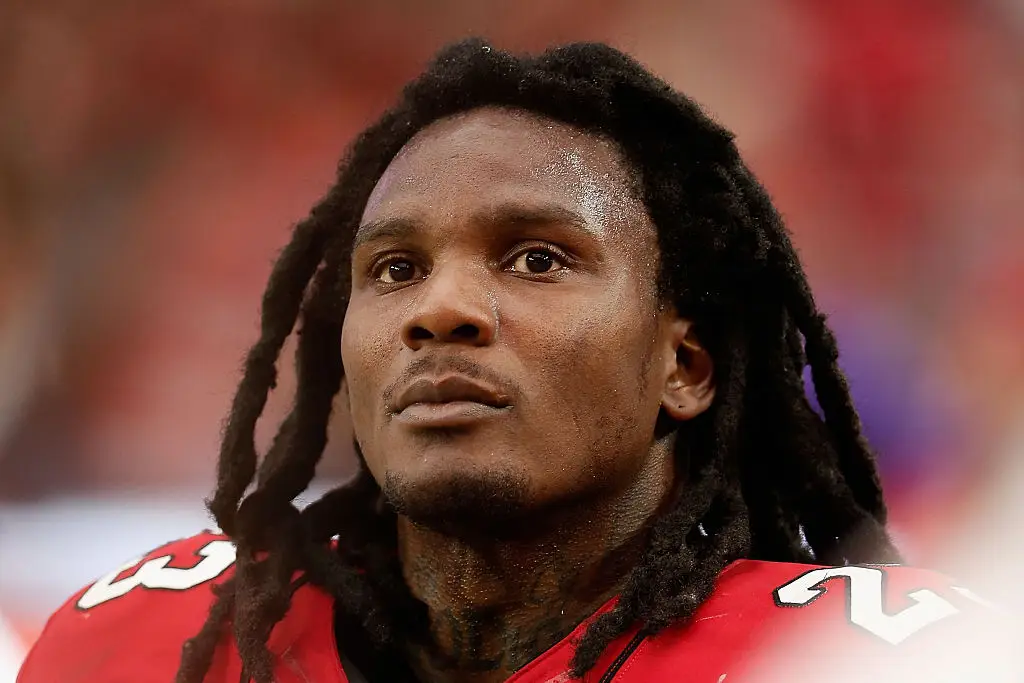
When pressed on whether he suspects a connection, Johnson walks a careful line between personal doubt and medical uncertainty. “When you spend that many years taking hits and putting your body through what we put our bodies through, of course you think about it,” he said. The former running back added that he “can’t help but wonder” what toll the sport ultimately took on his body.
He is equally firm about not overstating a link that remains unproven. “I don’t think it would be right for me to say, ‘Football caused my ALS,’ because I don’t know that, but I also don’t think you can ignore the question,” Johnson explained. “I think the possible connection between football, repeated trauma and neurological diseases needs to continue to be studied so players and their families can have better answers.”
Despite his own diagnosis, Johnson has not barred his 14-year-old twin sons, CJ and Kaden, from the sport. Both boys play football competitively, and their father has taken a measured approach to their participation.
“I don’t look at what I’m going through and say, ‘My kids shouldn’t play because of it,'” Johnson said. “But as a father, of course, I think about things differently now. I want them to understand the risks and take care of their bodies. If football’s what they love, and that’s the path they choose, I’m going to support them. More than anything, I want my kids to be healthy, happy and able to build lives they love.”
His wife, Brittany, struck a similar chord of cautious support. “[Chris] always just says as long as they enjoy it, he wants them to be able to do what they love. Of course, not at the expense of their bodies,” she said. “It is something that I think about, and it’s something that I worry about, but they’ve been so engulfed in it most of their lives that they don’t want to stop.”

Johnson’s reflections arrive amid growing scientific scrutiny of the long-term neurological effects of professional football, with repeated head trauma and chronic traumatic encephalopathy (CTE) documented in numerous former players. ALS, also known as Lou Gehrig’s disease, has emerged as another area of concern in research on contact sports and neurodegenerative conditions, though definitive causal links remain elusive.
The former star’s willingness to discuss the question publicly while acknowledging its limits marks a notable contribution to a conversation that affects thousands of current and former NFL players. His call for continued research underscores the gap between what athletes experience and what medical science can currently explain.
Johnson will be honored by the NFL at an upcoming league event recognizing his career and his advocacy since his diagnosis.