

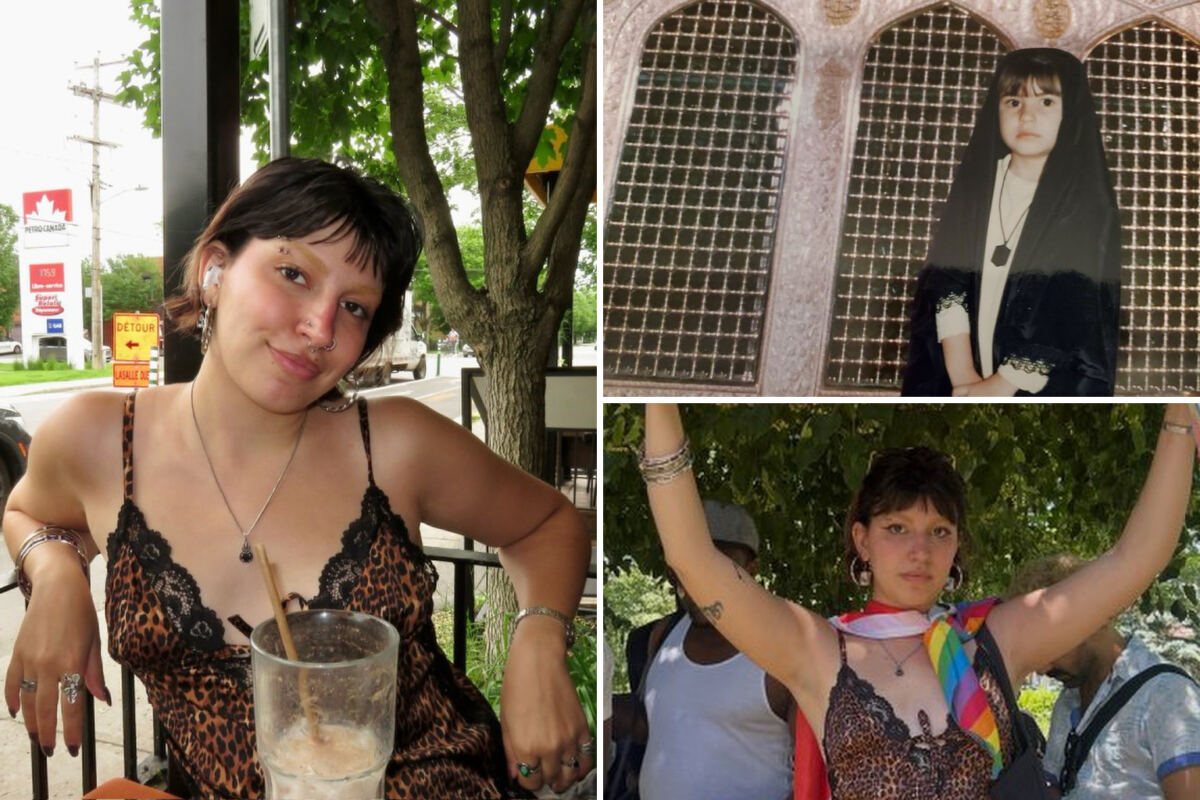
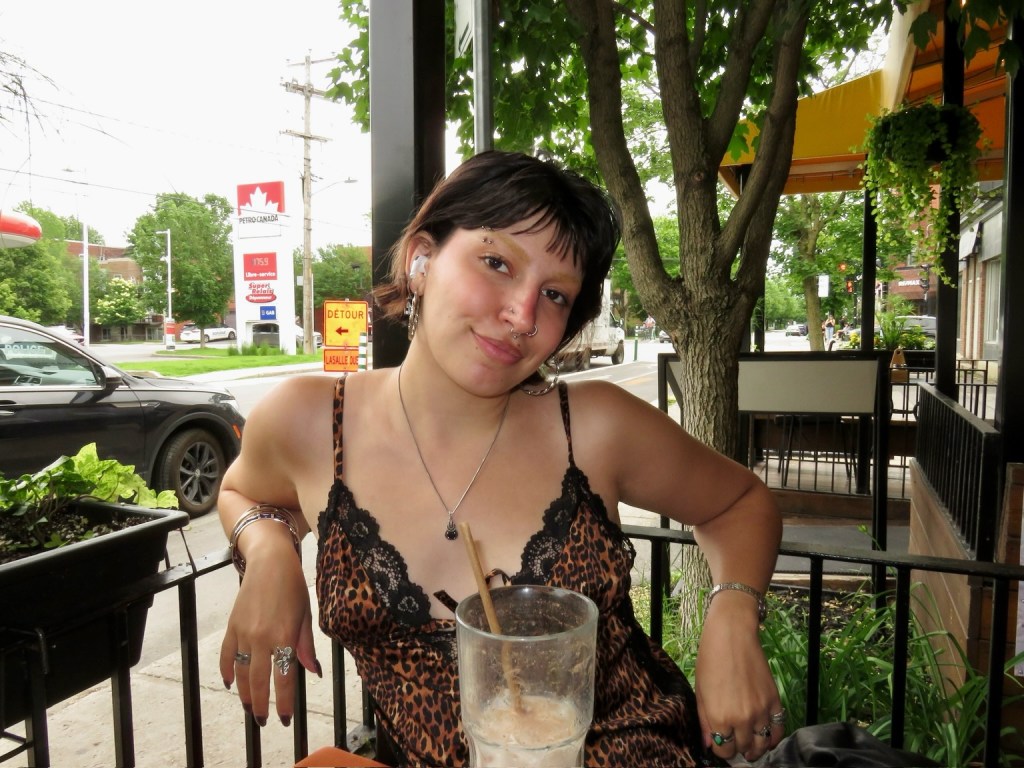
Parishad Kavyani has publicly renounced the pro-Palestine movement she once marched with for over two years, accusing its leftist ranks of rampant homophobia, racism, and sexism.
Kavyani, who was born in Iran and relocated to Canada at age 14, said that her break with the cause crystallized in the nine months following the October 7, 2023 Hamas attack on Israel. She described the movement she abandoned as fatally compromised by “liberal intellectualism” that selectively elevates certain oppressors while ignoring others.
The former supporter traced her disillusionment to a glaring silence she detected among her fellow activists regarding Iranian women’s struggles for basic freedoms. “[They] advocate for liberation of people, [they] advocate for women’s rights, but when it comes to Iranian women wanting freedom, wanting the freedom to wear whatever they want, [they] suddenly are quiet — and not only quiet, but [they] support the oppressor. That’s my issue… [they] cherry-pick between oppressors,” she said.
Kavyani’s childhood in the Islamic Republic furnished what she called an intricate perspective on Palestinian advocacy. She explained that Iranian authorities saturate citizens with daily propaganda about Israeli oppression and Palestinian suffering, while domestic conditions deteriorate. “As an Iranian born and raised in Iran… you are raised with a lot of information, a lot of propaganda around what is happening in Israel, what is happening in Palestine, and you are just told this every single day by the authorities,” she said.
The reality on the ground, she continued, eventually eroded that narrative. “Then… you enter the society, and you see there is poverty everywhere. You see that the villages in Iran don’t have drinking water. You see that the villagers in Iran don’t have a road to a hospital… Why? Because the government doesn’t actually do anything about the people in need inside the country, and you’re always told, ‘Oh, but we have to save money to send to Palestine,'” Kavyani added.
She recalled questioning this arrangement as she matured. “The more time you spend in the country you’re like, ‘Why is it my responsibility to save another nation?'” she said.
The final rupture came after Hamas militants killed some 1,200 Israelis and took hundreds hostage in the October 7 assault. Kavyani engaged in difficult conversations with movement peers about the targeting of civilians, which she said exposed an ideological rigidity she could no longer tolerate. “When October 7 happened, I had a lot of conversations with people [about it]… Like, just because someone is holding an Israeli passport doesn’t mean that they should just get killed… If there’s a war that you’re including civilians in that war, and you’re taking civilians hostage, and you’re raping civilians or torturing civilians — that’s not something that I support no matter who this person is, because I’m not somebody who thinks someone deserves to die just because of where they’re from or just because the political belief that they hold on to,” she said.
Kavyani identified another catalyst for her departure: the proliferation of pro-Iranian Revolutionary Guard Corps content among movement supporters she had previously marched alongside. The IRGC, a designated terrorist organization responsible for domestic repression and regional proxy warfare, found apparent defenders within a coalition ostensibly devoted to human rights.
She broadened her critique to encompass what she sees as a pervasive hierarchy of victimhood. “That is, like, so ideology-driven, which we’re seeing right now on the internet and in real life… You cannot create a hierarchy of people and say this person deserves saving more than this person… That liberal intellectualism is, like, so insane,” Kavyani relayed.
The activist, who had joined the pro-Palestine movement in its early formation, described her separation as deliberate and necessary. “After that happened, I started separating myself… because I was like, this is not the group that I want to associate myself with because I don’t think a lot of the people within that movement are there for the human rights aspect of it,” she said.
Kavyani reserved her sharpest condemnation for the personal treatment she endured from former comrades. “I have never faced the amount of homophobia, racism and sexism that I have experienced in the past nine months from the leftists, from the very people that I marched with for over two years for a free Palestine, and that is insanity,” she said.
Kavyani continues to speak publicly about her experience, framing her departure as a rejection of selective solidarity rather than a change in her fundamental commitment to human dignity across conflicts.