

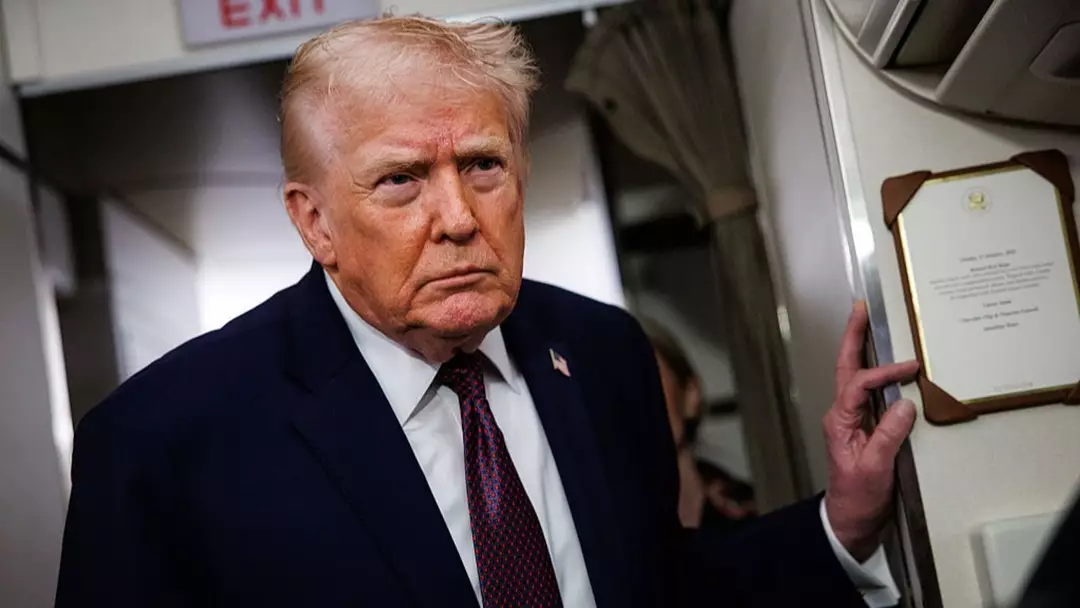
Since Donald Trump took office last January, the US government has revoked 100,000 visas, according to the Department of State.
During his campaign, Trump assured supporters he would initiate the “largest deportation program in American history” to remove “criminals” from the country on the first day of his presidency.
The Republican’s plan focused on migrants residing in the US without legal status, impacting approximately 11 million individuals.
Trump stated: “I will rescue every city and town that has been invaded and conquered, and we will put these vicious and bloodthirsty criminals in jail, then kick them the hell out of our country as fast as possible.”
Nearly a year following his inauguration on January 20, the government announced it had reached a significant milestone in visa cancellations.
In a statement shared on X, previously known as Twitter, the administration revealed on Monday (January 12): “The State Department has now revoked over 100,000 visas, including some 8,000 student visas and 2,500 specialized visas for individuals who had encounters with US law enforcement for criminal activity.”
“We will continue to deport these thugs to keep America safe,” they stated.
While the government attributes most visa revocations to encounters with law enforcement, the number resulting in formal charges remains unclear.
Visa cancellations have increased by 150 percent compared to 2024, during former president Joe Biden’s tenure.
State Department deputy spokesperson Tommy Pigott identified the top four reasons for visa revocations, according to Al Jazeera.
The reasons included overstaying visa terms, driving under the influence, assault, and theft.
Additionally, last year, visas were also revoked from holders who expressed views deemed controversial by the government.
In March, students engaged in pro-Palestinian activism lost their visas, including Rumeysa Ozturk from Tufts University, Massachusetts, reportedly for co-authoring an editorial for the campus paper.
🚨BREAKING: The State Department has now revoked over 100,000 visas, including some 8,000 student visas and 2,500 specialized visas for individuals who had encounters with U.S. law enforcement for criminal activity.
We will continue to deport these thugs to keep America safe. pic.twitter.com/wuHVltw1bV
— Department of State (@StateDept) January 12, 2026
In October, six foreign nationals had their visas revoked for ‘celebrating’ political activist Charlie Kirk’s death online.
“The United States has no obligation to host foreigners who wish death on Americans,” stated the Department of State.
Furthermore, Pigott mentioned the launch of a ‘continuous vetting center’ to ensure ‘all foreign nationals on American soil comply with our laws – and that the visas of those who pose a threat to American citizens are swiftly revoked.’
The administration has also implemented stricter conditions for new visas, including enhanced social media checks and comprehensive background screenings.
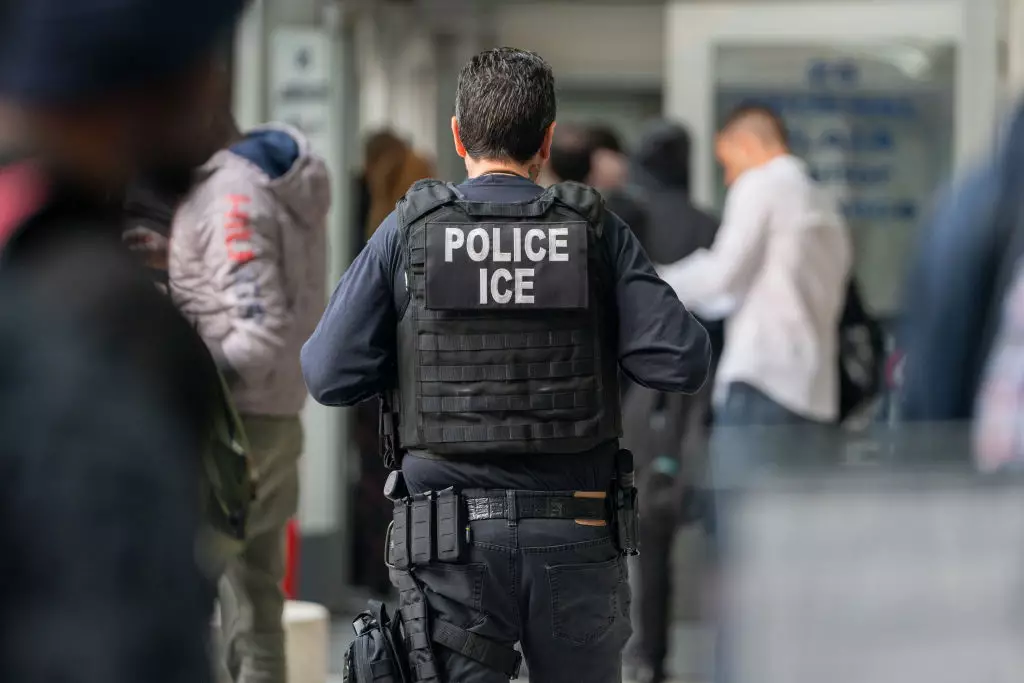
This milestone in visa cancellations coincides with increased ICE activity throughout the country.
On January 7, 37-year-old Renee Nicole Good was shot by Jonathan Ross, an ICE agent involved in ongoing raids in Minneapolis, Minnesota.
Good was driving her car during the incident, and after being shot, her vehicle collided with two parked cars.
Her death has ignited global criticism as people question the justification for using lethal force.