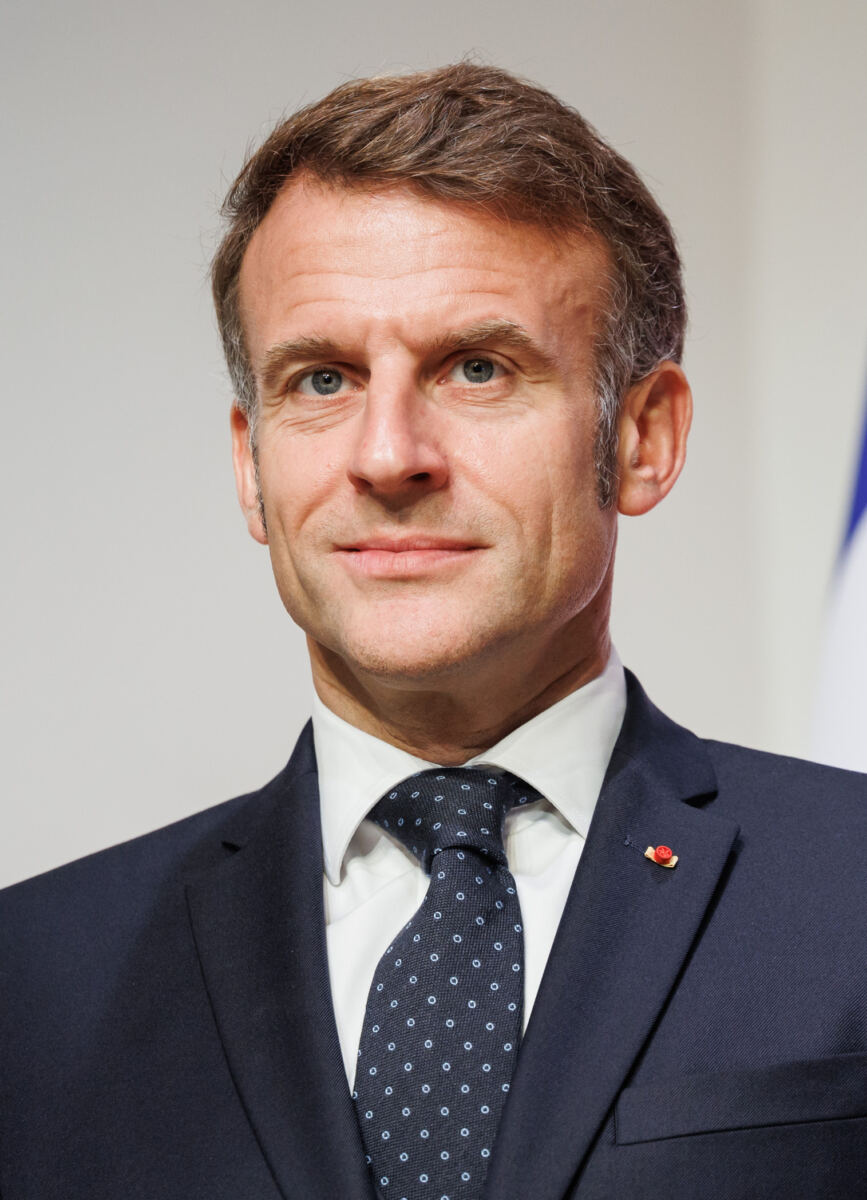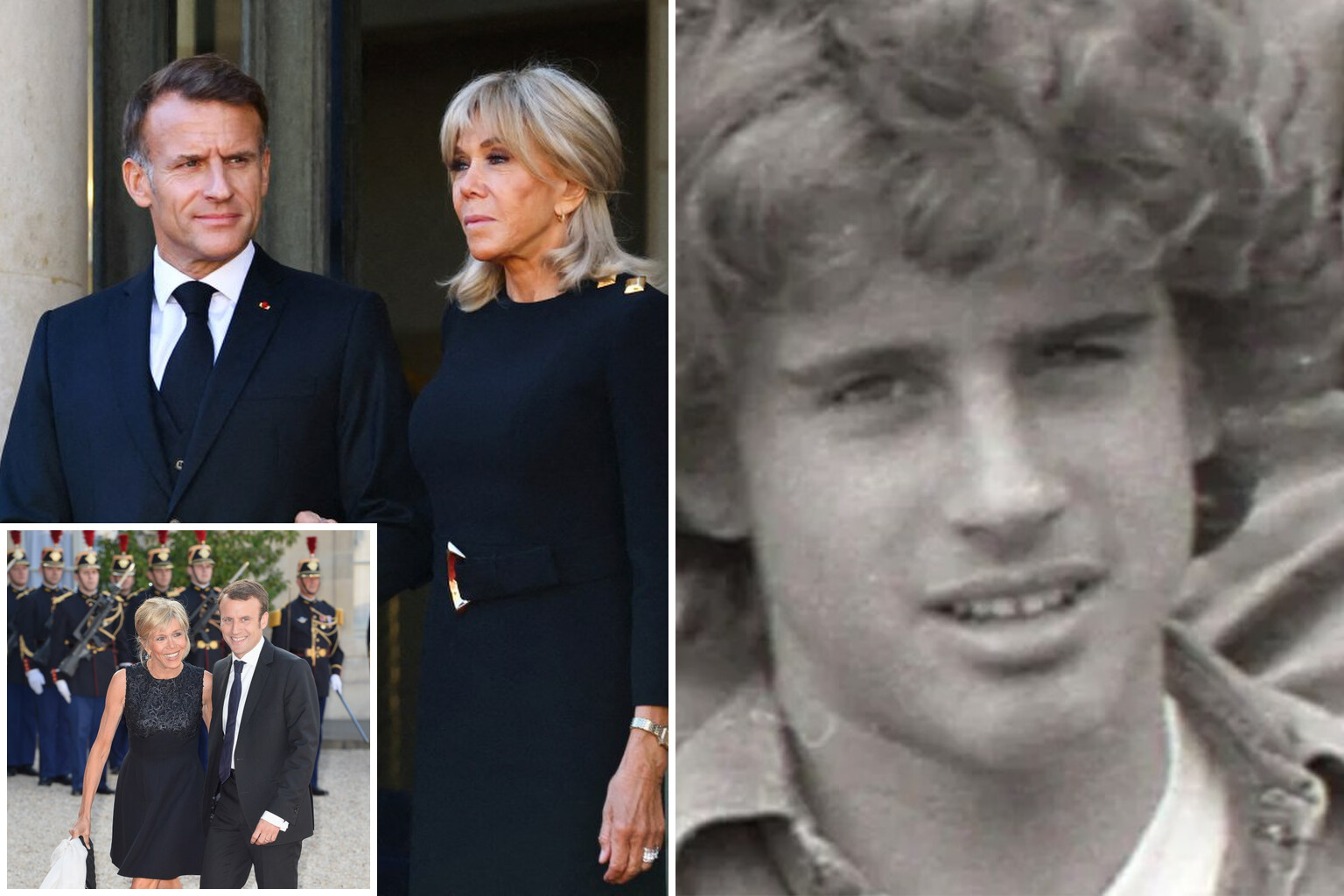
Emmanuel Macron has admitted he remains emotionally frozen in childhood, according to a new biography that quotes both the French president and his wife making startlingly personal revelations about his psychological makeup.
The 48-year-old leader told veteran political journalist Catherine Nay that his early years under the thumb of powerful older women left him developmentally arrested. “Me, I’m still a child. I have never been a teenager. I don’t like teenagers. I don’t understand them. My wife does,” Macron said in interviews for the book, according to the Times of London.
Nay, who spent extensive time with the couple and Macron’s childhood friends for the tome, traced this arrested development to his grandmother Manette, a retired school headmistress who treated her grandson as a project to be perfected rather than a boy to be raised. She kept him isolated in his studies and flew into rages when he showed interest in girls, the biographer found. Macron reportedly won back her approval only by vowing, “I won’t look at girls anymore.”
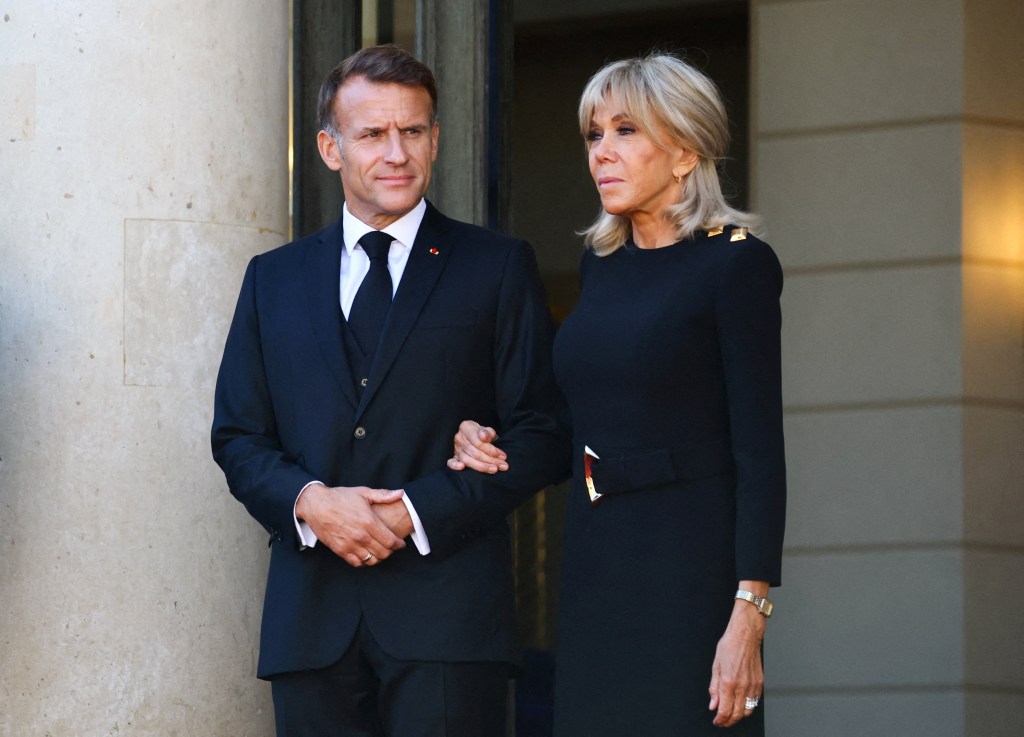
His wife Brigitte, 72, offered her own blunt assessment of how deeply Manette’s influence still reverberates through her husband’s psyche. “Emmanuel still hasn’t buried his grandmother. He hasn’t even replaced her. He ought to be psychoanalyzed,” she told Nay.
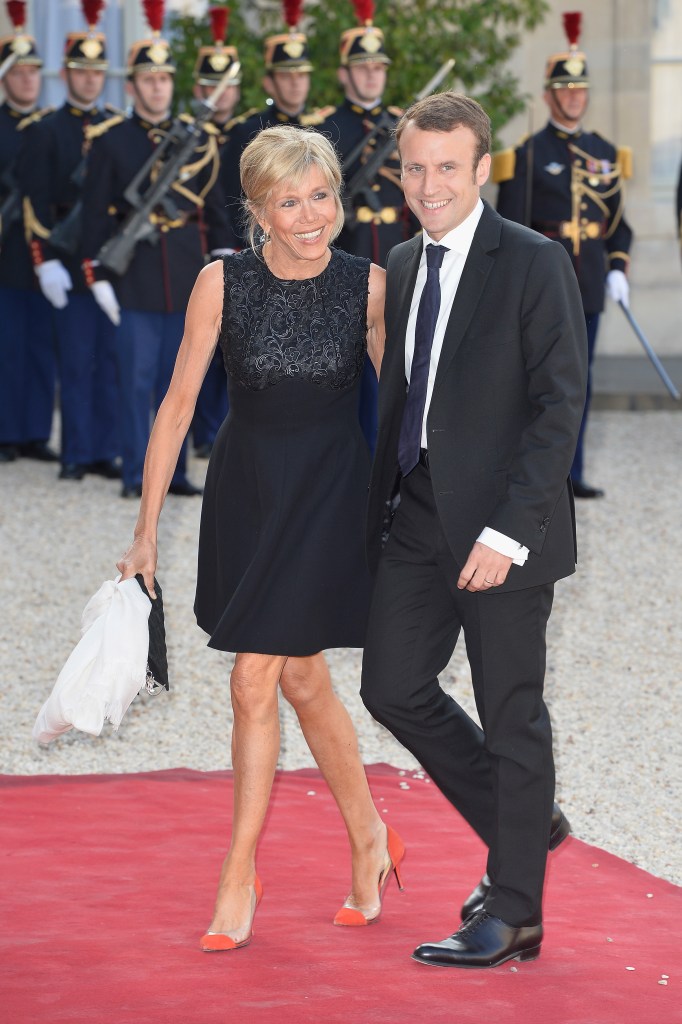
The couple’s unusual romance began when Macron was 15 and Brigitte was a 39-year-old married mother of three, working as his drama teacher and the mother of one of his friends. Nay characterized the teenager’s pursuit as “the seduction of an adult,” alleging that Macron proposed they collaborate on a play largely to manufacture time alone together. When Brigitte asked whether he wanted children of his own, he reportedly answered, “No, I want you to look after only me.”
The biography paints a portrait of a prodigiously intelligent boy who was nevertheless isolated from his peers, largely friendless, and never taught to process criticism. That isolation has only deepened during his presidency, with Nay describing Macron as increasingly cut off from others during his days at the Élysée Palace.
The journalist accused him of carrying supreme self-confidence past the point of usefulness into a genuine inability to acknowledge error. “Introspection doesn’t enter his intellectual world. Even when he apologizes, he comes back later to explain that he was right,” Nay said in a recent interview with France Inter radio.
That same deficit, Nay argues, directly produced one of Macron’s most damaging political decisions: his surprise call for snap parliamentary elections in 2024, which stripped his government of its majority and threw France into prolonged political chaos. The move came as his centrist coalition was already fraying, the country reeled from its worst rioting in decades, and both Marine Le Pen’s populist right and Jean-Luc Mélenchon’s radical left were gaining ground in polling.
The book arrives as Macron enters the final six months of his presidency, his political legacy increasingly contested and his domestic authority diminished.