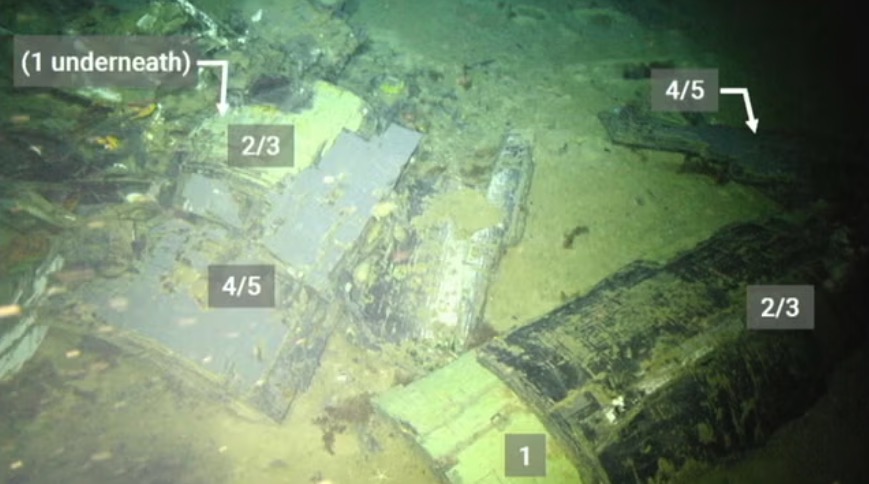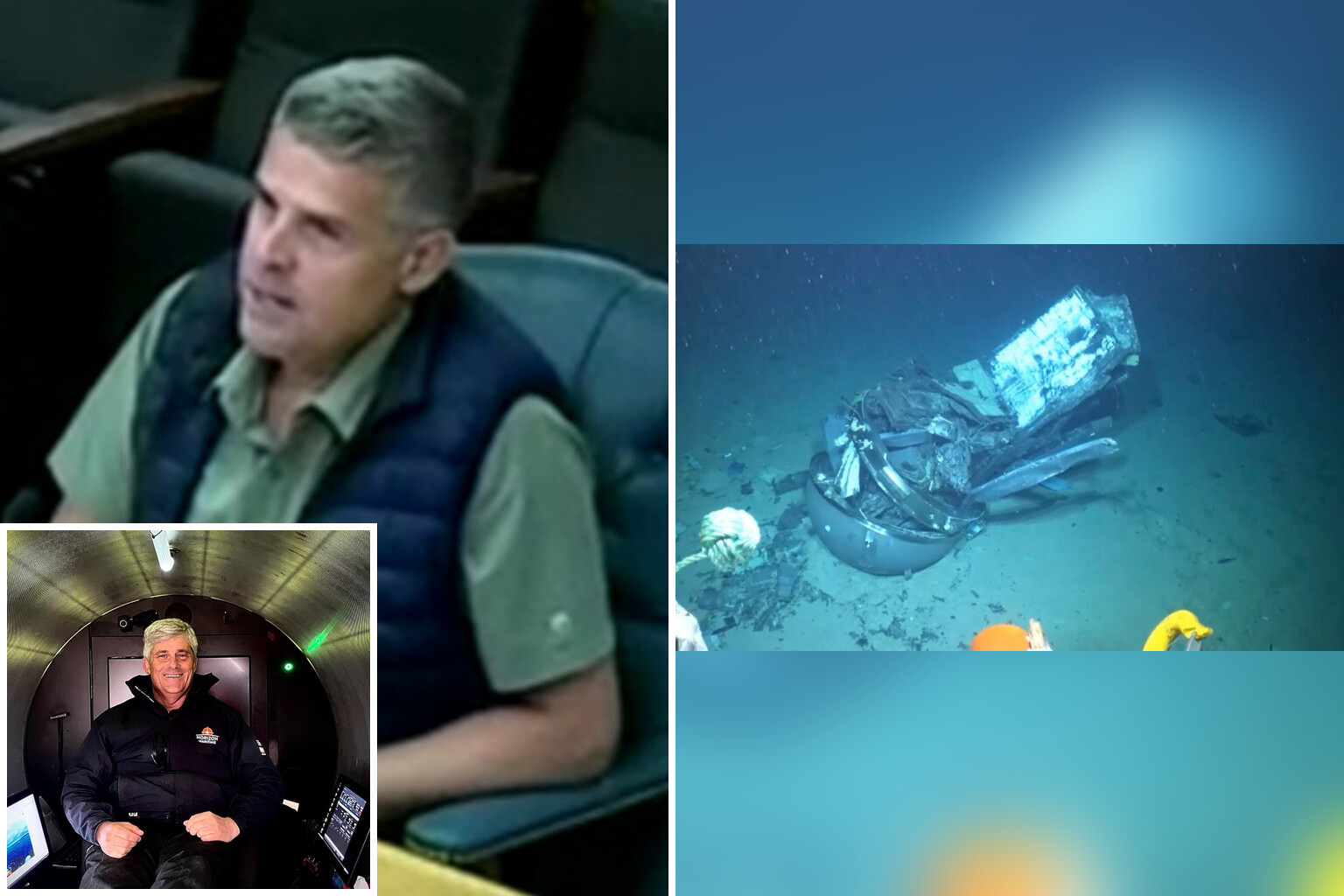
Karl Stanley, a longtime friend of the late OceanGate CEO Stockton Rush, has accused the engineer of deliberately designing the Titan submersible as a death trap and planning his own demise at the Titanic wreck site.
Stanley, a fellow commercial submersible expert who testified before the US Coast Guard, told author Matthew Gavin Frank for the new book “Submersed: Wonder, Obsession and Murder in the World of Amateur Submarines” that Rush’s ego drove him to become a central figure in Titanic mythology. The two men had been friends for more than a decade, and Stanley had even joined Rush on a 2019 test dive of the ill-fated vessel.
“He was in fact a good engineer, and that machine did exactly what he designed it to do … He set a new standard for going out with a bang,” Stanley told Frank in an interview conducted just days after the June 2023 implosion.
The dive that killed Rush, 61, also claimed the lives of five passengers who had paid up to $250,000 each for the expedition: French underwater explorer Paul-Henri Nargeolet, British adventurer Hamish Harding, and Pakistani businessman Shahzada Dawood and his 19-year-old son Suleman.
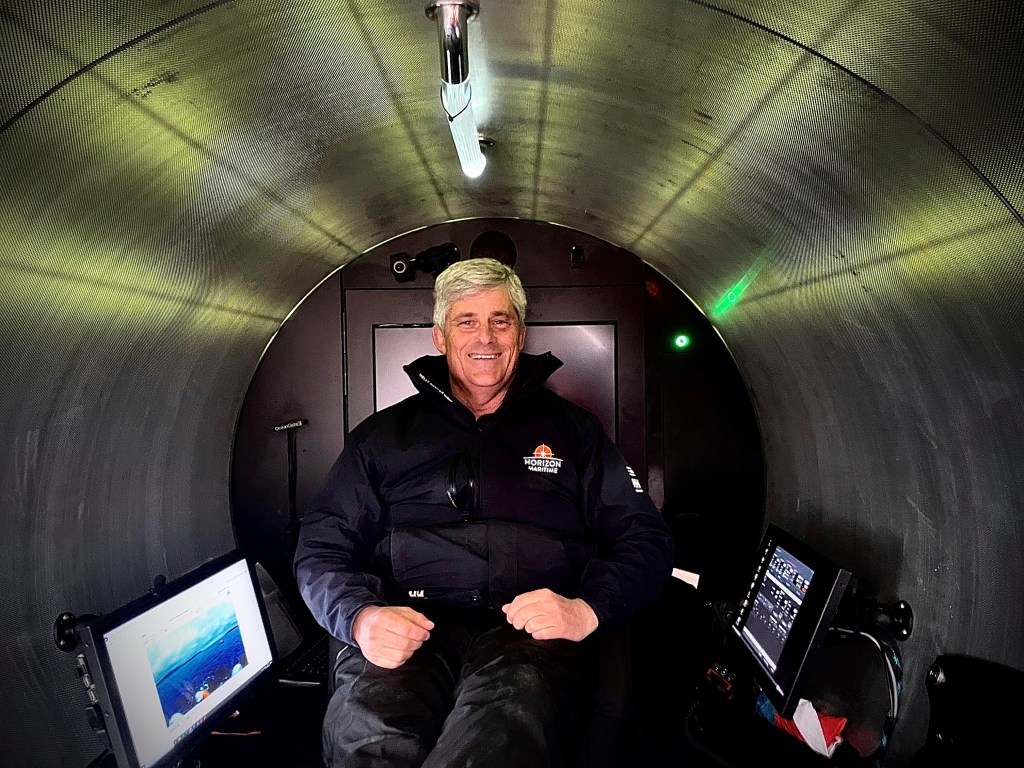
Stanley painted a chilling portrait of intentional destruction. “Rush’s ego was so big he was willing to die and kill to be the pivotal character of this story. He wanted to go [die] at the wreck [of Titanic],” he said.
The friend went further in his condemnation, framing the tragedy as calculated murder rather than accident. “He didn’t just murder four wealthy people and get paid a cool mill to do it — they are allll part of the Titanic mythology now,” Stanley told Frank.
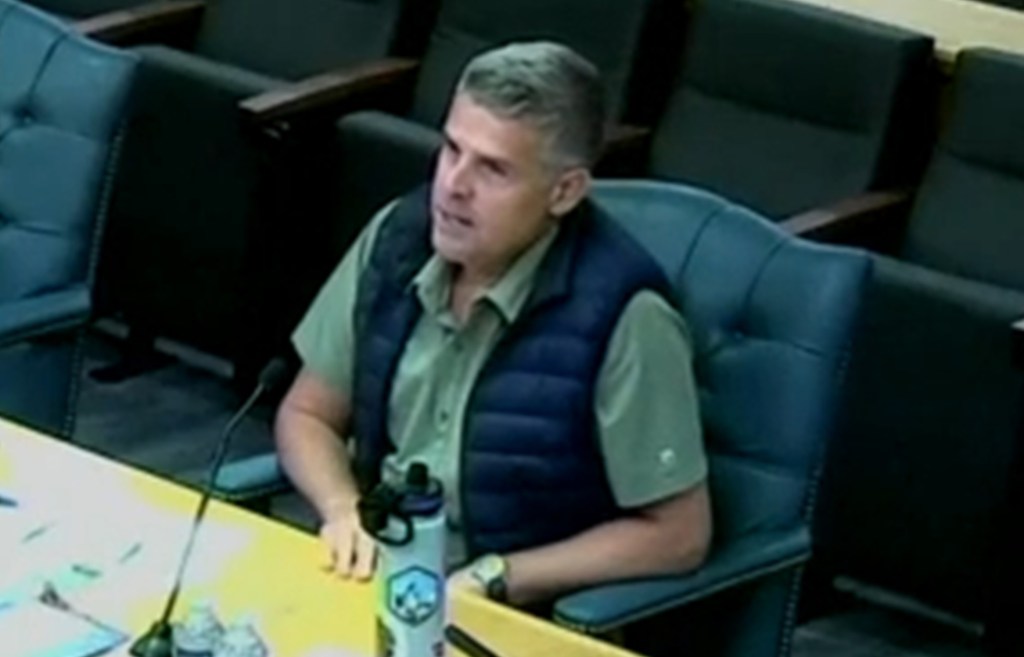
In his book, Frank relayed Stanley’s theory that Rush had deliberately constructed what amounted to a weapon. “Rush needed to compel more than just his own death, and he needed to knowingly fabricate a ‘futile’ vessel, costumed in a titanic name, as his murder weapon,” Frank wrote.
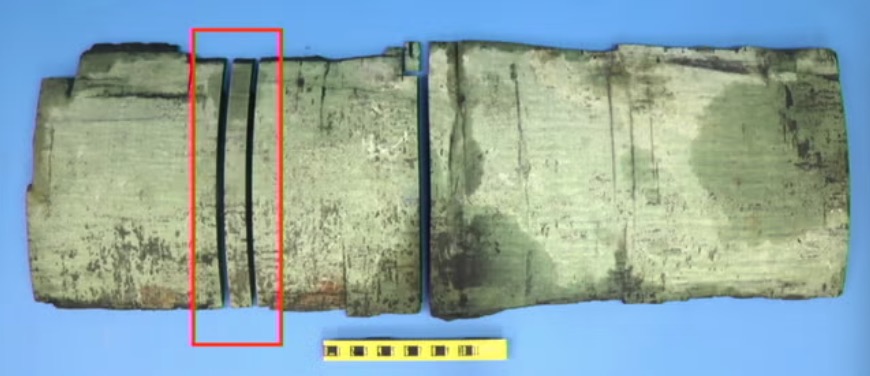
Stanley testified during the official US Coast Guard inquiry into the catastrophe, where he described Rush as a “criminal” and maintained that the CEO had always planned on dying during the expedition. “I know this is what happened,” Stanley stressed to Frank.
The Titan’s name itself carried ominous literary origins. Rush named the submersible after the fictional British ocean liner “Titan” from Morgan Robertson’s 1898 novel “Futility,” in which a massive ship sinks after striking an iceberg — a plot that eerily presaged the real Titanic disaster fourteen years later.
Stanley’s own experience aboard the vessel in 2019 had left him deeply unsettled. During that test dive, he recalled hearing loud cracking noises that raised serious safety concerns, but Rush dismissed them. Despite the warning signs, Stanley told Frank he does not regret making that trip to the wreck.
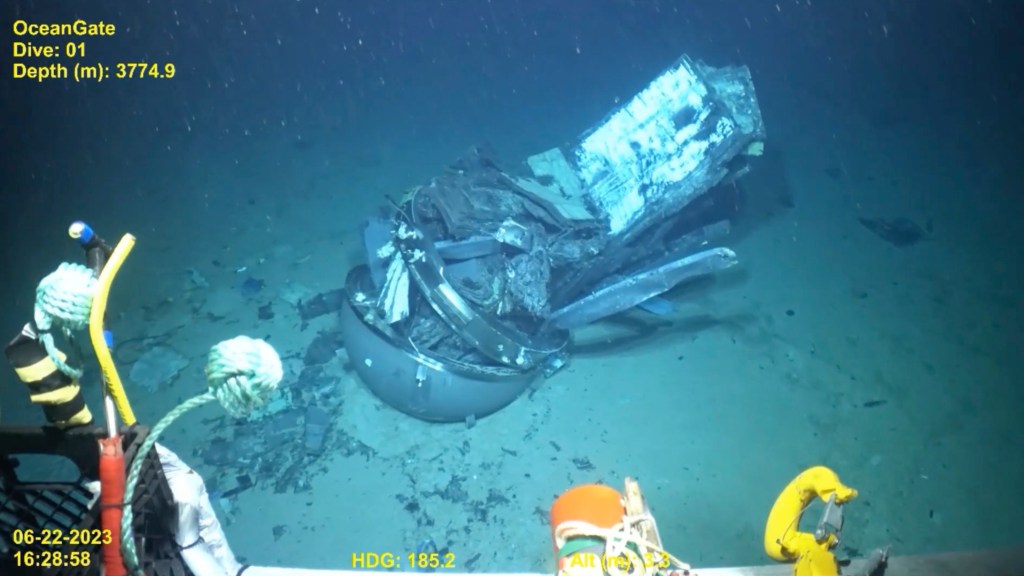
The aftermath of the implosion left OceanGate staff in turmoil, according to Stanley’s account. “Those who worked with Rush at OceanGate were ‘sh–ting their pants’ in the wake of the explosion,” he said, though he suggested the narrative of Rush as “a madman who manipulated them” ultimately served their interests.
The Coast Guard’s investigation into the disaster remains ongoing as officials continue examining the circumstances that led to the catastrophic failure of the experimental carbon-fiber hull at a depth of approximately 12,500 feet.