

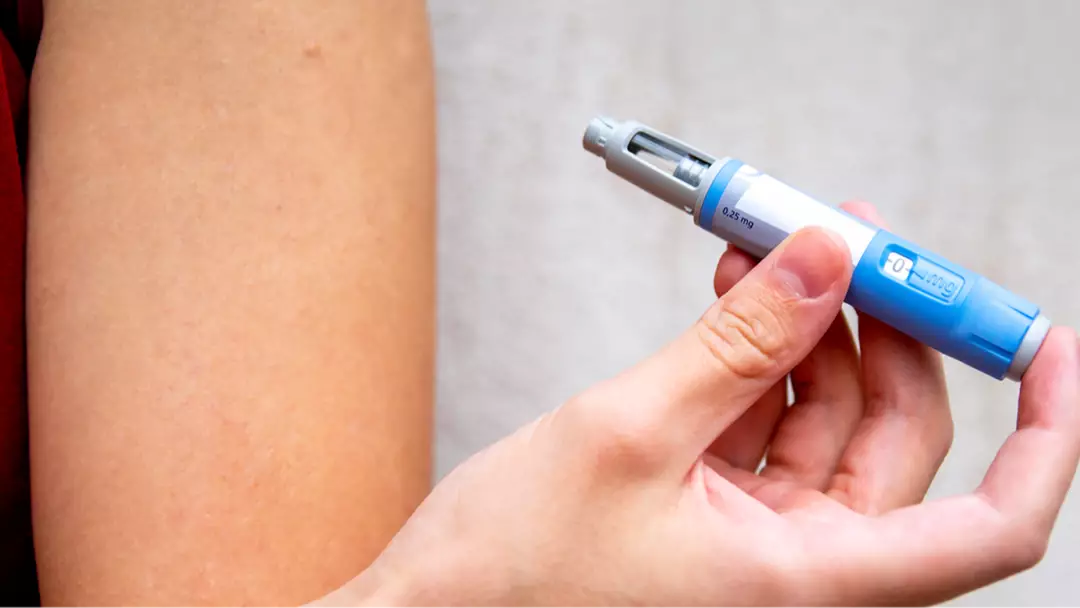
The Federal Trade Commission is highlighting the ‘truth behind weight loss ads’ as a caution for Americans who might be using GLP-1 medications or other weight-loss drugs.
Medications like GLP-1, including Mounjaro and Wegovy, have received praise for their effectiveness in helping with weight loss. The Director-General of the World Health Organization has acknowledged these drugs as beneficial for ‘helping millions overcome obesity and reduce its associated harms’.
However, it’s not only those dealing with obesity who are turning to these medications, as even celebrities have openly discussed using GLP-1 drugs.
With the growing popularity and usage of these medications, the Federal Trade Commission (FTC) is advising Americans to be wary of misleading promises in ads for weight loss drugs.

The FTC pointed out that while it ‘would be nice if you could lose weight simply by taking a pill, wearing a patch, or rubbing in a cream’, claims suggesting weight loss without lifestyle changes ‘just aren’t true’.
“Some of these products could even hurt your health,” warns the FTC.
To help consumers avoid falling for deceptive claims in weight loss ads, the FTC has released seven phrases that can indicate false advertising. The list is provided below:

These phrases might appear on fake news sites, blogs, or social media posts circulated by scammers. The FTC clearly states that ‘any promise of miraculous weight loss is simply untrue’, emphasizing: “There’s no magic way to lose weight without a sensible diet and regular exercise.”
This warning from the FTC follows its recent approval of an order against NextMed, a telemedicine company. The order requires the company to cease ‘deceptively advertising weight-loss programs and to stop using deceptive and unfair billing and cancellation practices’.
NextMed faced allegations of promoting weight-loss programs with hidden costs and membership commitments, as well as making false claims about client weight loss.
In resolution, NextMed has agreed to pay $150,000 to settle the issue.