

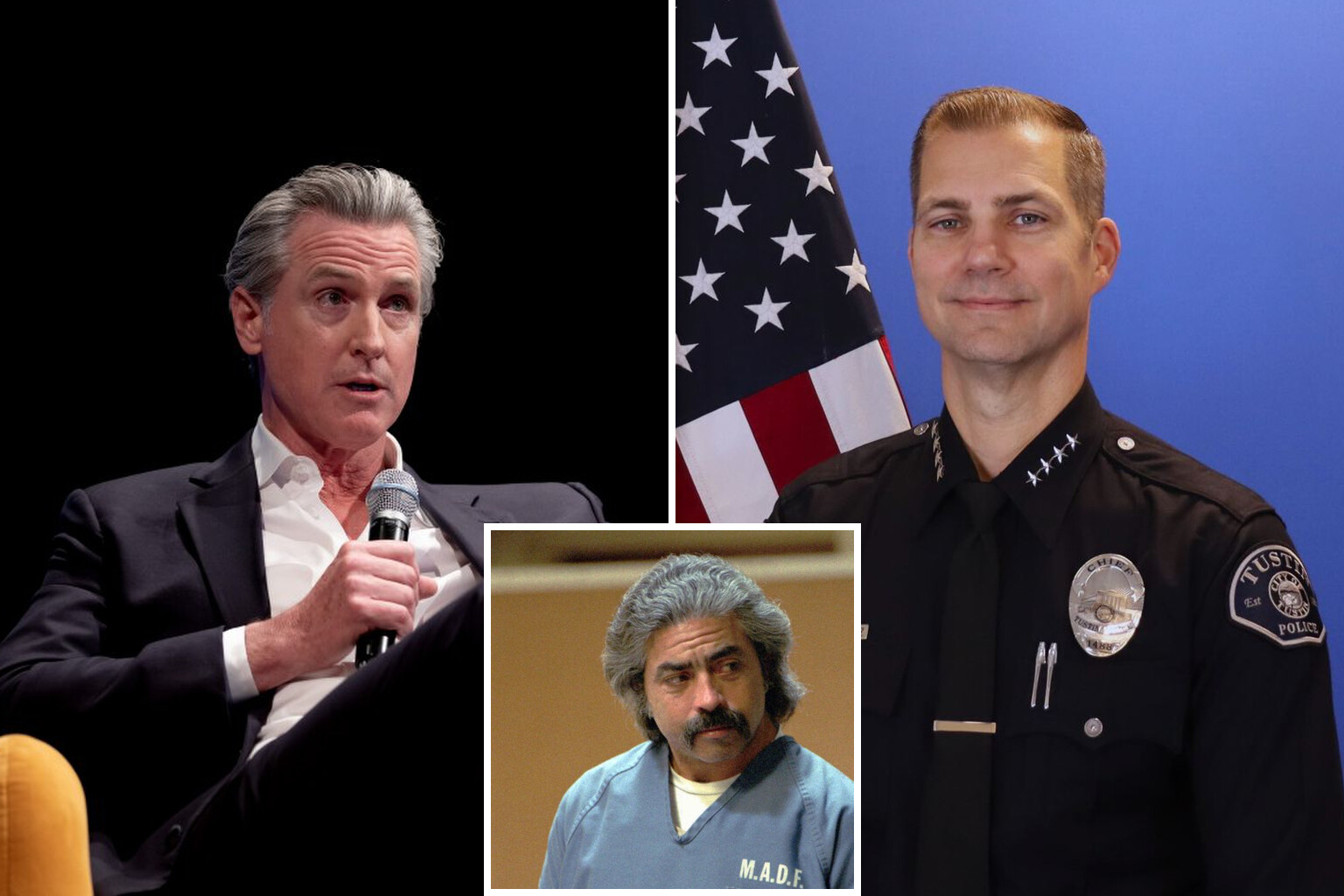
California police chiefs are warning Gov. Gavin Newsom that commuting hundreds of death sentences would free some of the nation’s most notorious killers and betray decades of work by juries and investigators.
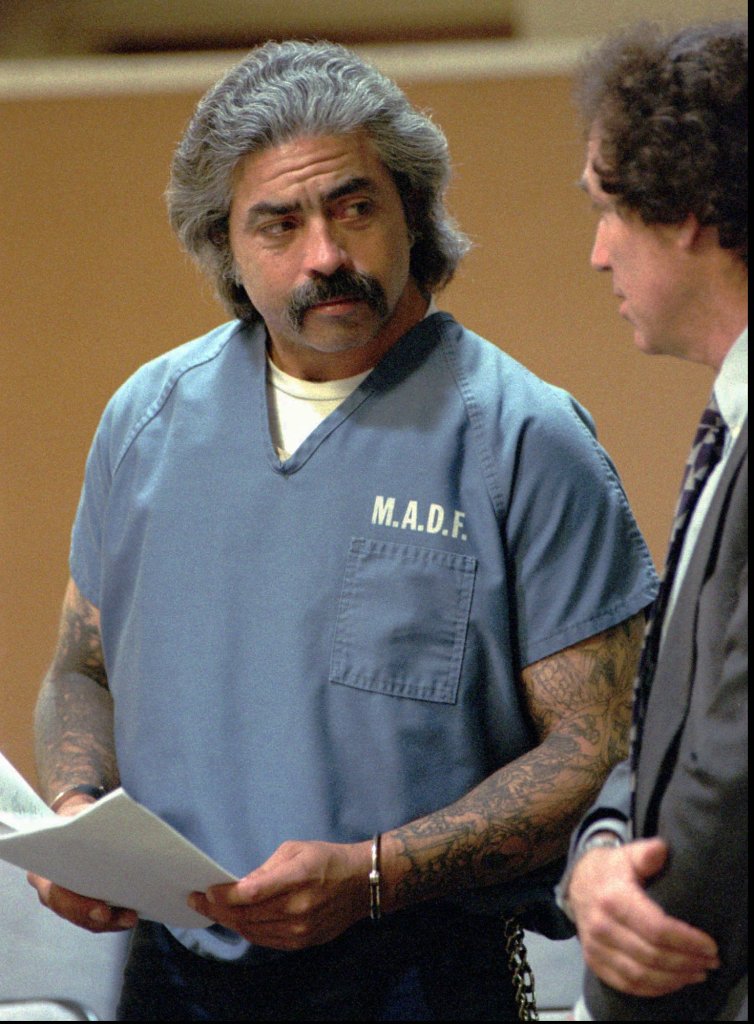
Tustin Police Chief Sean Thuilliez, who leads the California Police Chiefs Association, fired back at the potential move in a statement Wednesday, calling it “outrageous” and arguing it would give a pass to criminals like Richard Allen Davis, the man convicted of kidnapping and murdering 12-year-old Polly Klaas in 1993. Davis, now 69, has sat on death row since his 1996 conviction for a crime that horrified the nation and helped spur California’s three-strikes law.

“These are the worst of the worst — individuals who committed horrific murders and were sentenced to death by juries after hearing the evidence,” Thuilliez said.
The chiefs’ plea arrives as conversations in Newsom’s circles about mass clemency have intensified, partly fueled by Tennessee’s botched execution of Christa Pike, where two doses of the sedative Pentobarbital failed to kill her. Pike had been convicted of torturing and murdering a fellow Job Corps student in 1995.
But the police association warned that new legal avenues for resentencing and sentence review could create pathways for even those serving life without parole to seek clemency or reduced sentences from courts or the governor himself.
“The governor is considering taking those sentences away and replacing them with a punishment that offers no guarantee these murderers will spend the rest of their lives in prison,” Thuilliez continued. “That is outrageous, and it is an insult to the victims and families who have waited decades for justice.”
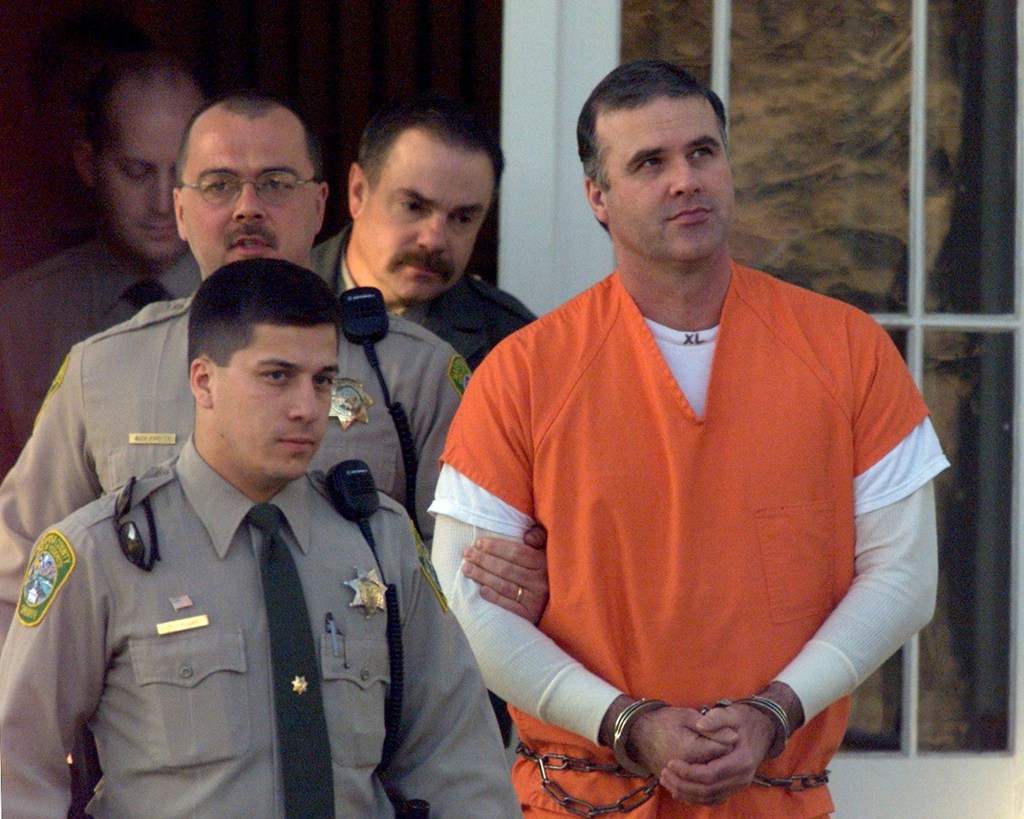
Among those who could benefit from a mass commutation is serial killer Cary Stayner, 62, who murdered four women near Yosemite National Park in 1999 while working as a handyman at the Cedar Lodge motel. Two of his victims were teenage girls, ages 15 and 16. Charles Ng, convicted of 11 first-degree murders, also sits on California’s death row.

Newsom, 57, has wrestled publicly with the decision. On his podcast “This is Gavin Newsom,” he posed the dilemma directly to pro-racial justice attorney Bryan Stevenson: “Do I commute the largest death row in the Western Hemisphere?”
He then answered his own question with another: “What do I say to the victims?”

The governor’s office previously told The Post that “Governor Newsom has been clear about his position on the death penalty since his first year in office, when he ordered a moratorium on executions.”
That 2019 executive order made California the fourth state with a governor-imposed execution halt, though the state had not carried out an execution since 2006 despite housing the nation’s largest death row population. Newsom has long criticized capital punishment as discriminatory and wasteful.
A mass commutation would require California Supreme Court approval for inmates with multiple felony convictions, but if successful, it would eliminate more than a quarter of all condemned prisoners nationwide. California’s death row currently holds 563 inmates.
Thuilliez emphasized that such sweeping action by a term-limited governor would override the considered judgments of multiple juries and ignore the suffering of victims’ families.
“This is not his decision alone to make,” he said. “The next Governor, the Legislature, victims’ families, and the people of California deserve to have their voices heard.”
The California Supreme Court would need to sign off on any commutations for inmates with multiple felony convictions, creating a potential procedural hurdle even if Newsom proceeds.
Newsom’s office did not immediately respond to a request for comment on the police chiefs’ statement.
The governor’s term ends in January 2027, and any commutation decision would likely come before he leaves office.