

—
An external review commissioned by the Gates Foundation has found that Bill Gates and foundation staff met with convicted sex offender Jeffrey Epstein approximately 30 times between 2011 and 2014, even as employees raised concerns about the reputational risks of associating with him.
The review, conducted by law firm WilmerHale and released Tuesday, discovered that Gates Foundation employees flagged their concerns on multiple occasions about Epstein’s prior conviction when the foundation was considering working with him. Despite these staff warnings, the relationship continued, with meetings taking place at Epstein’s Manhattan townhouse and on the Gates Foundation campus.
The investigation found that the foundation’s interactions with Epstein centered on two primary initiatives. The first involved a proposed donor-advised fund intended to pool contributions from high-net-worth individuals for global public health causes. Gates met with Epstein and potential donors at a December 2014 breakfast in Manhattan, where it became apparent that Epstein had misrepresented the donors’ willingness to participate. Gates concluded the initiative was not viable, and the foundation abandoned the concept.
The second area of engagement involved the International Peace Institute, a nonprofit that Epstein introduced to Gates in 2012. The Gates Foundation subsequently awarded the organization a grant in 2013 related to polio eradication efforts. Gates was aware of Epstein’s connections to the institute’s president, though the foundation conducted due diligence before providing funding. After 2020 reporting revealed deeper ties between Epstein and the institute’s president, the latter resigned, and the Gates Foundation continued its support based on remedial actions taken.
The review examined extensive documentation and involved interviews with 50 current and former foundation employees. The investigation found no evidence that the foundation made payments to Epstein or participated in any illegal activities. However, WilmerHale’s five-month review did not include access to Gates’ personal communications or examine his private interactions with Epstein outside the foundation’s purview.
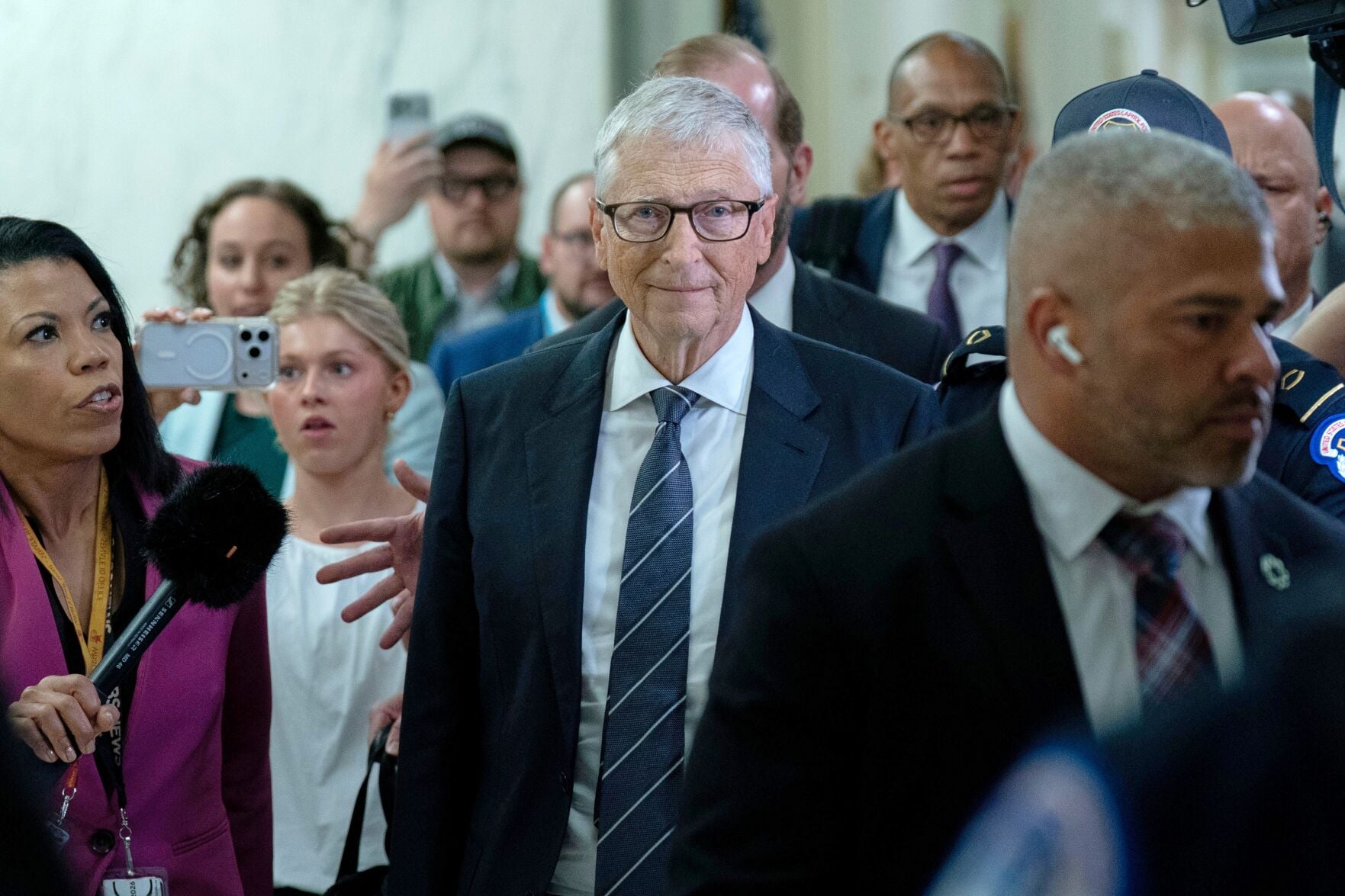
Gates, who chairs the foundation, has not been accused of wrongdoing in connection with Epstein’s crimes and has repeatedly denied knowledge of Epstein’s abuse. In June, he testified before a congressional committee investigating the matter, characterizing his relationship with Epstein as a grave error in judgment. Gates met Epstein in 2011, three years after Epstein pleaded guilty to soliciting prostitution from a minor. At the time of their initial meeting, Gates acknowledged being only dimly aware of an 18-month travel restriction imposed on Epstein.
In February, Gates addressed the foundation’s staff, stating he did nothing illicit and saw nothing illicit, but apologizing for the damage his association with Epstein had caused to the foundation’s reputation. He acknowledged that his then-wife Melinda had expressed skepticism about Epstein and that he had disregarded her concerns. Gates continued meeting with Epstein until 2014, the year their working relationship with the financier effectively ended.
The scrutiny of Gates’ relationship with Epstein has affected the foundation’s standing. Billionaire investor Warren Buffett, who had donated billions to the Gates Foundation since 2006, declined to make his annual contribution for the first time in decades, citing the Epstein connection. Buffett told CNBC he found the association distasteful, though he said he found nothing in Gates’ relationship with Epstein that was beyond what he could picture himself doing.
The revelation has prompted significant organizational changes at the foundation. In response to the investigation’s findings, the Gates Foundation announced new safeguards designed to prevent similar situations in the future. These include implementing a more centralized vetting process for donors and partners, strengthening procedures for managing conflicts of interest and handling sensitive information, and establishing new guardrails around employees who work for both the Gates Foundation and other Gates-owned entities. The foundation also created a process for escalating potential risks related to projects introduced by Gates and other senior leadership.
The Gates Foundation is also undergoing broader restructuring, with plans to cut approximately 500 positions, or 20 percent of its workforce, by 2030 as part of a cost-reduction initiative announced earlier this year. The first 200 positions are expected to be eliminated by the end of 2027.

The investigation marks one of the most detailed attempts by the Gates Foundation to address its past dealings with Epstein following the Justice Department’s release of documents in early 2026 that detailed the nature and extent of Gates’ interactions with the financier. The release included emails between the two men coordinating meetings and discussing philanthropic initiatives, calendar entries documenting their encounters, and photographs of Gates at events also attended by Epstein. The documents also contained controversial notes allegedly written by Epstein making claims about Gates’ personal life, claims that Gates has denied.
The external review concluded that foundation staff raised legitimate concerns about Epstein’s criminal history, and the investigation resulted in recommendations for systemic improvements to how the foundation vets and evaluates potential partners and addresses internal warnings from staff members.