

Watch on TikTok
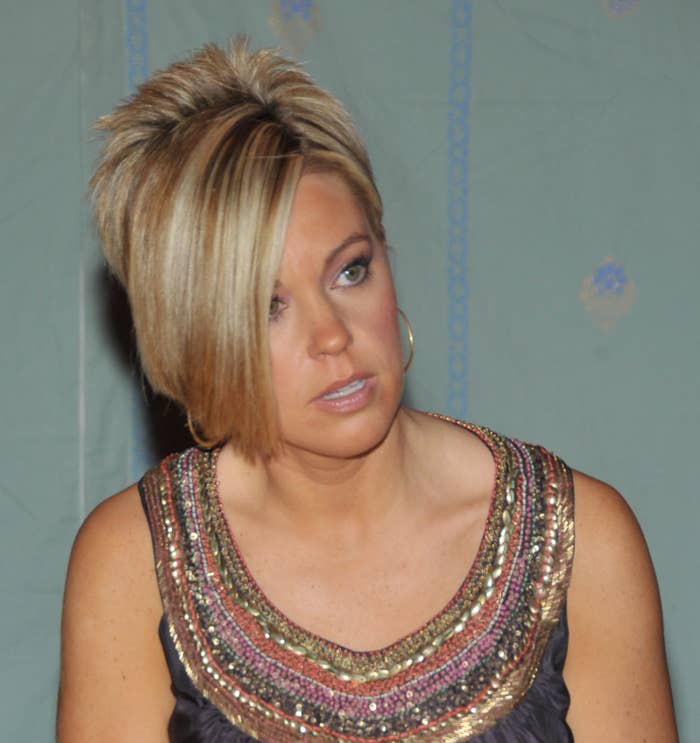
For years, the name “Karen” has served as internet shorthand for entitled, demanding behavior—particularly the stereotype of a middle-aged white woman with a specific choppy haircut who is quick to ask for a manager or call the police on people of color. The meme gained significant traction in the late 2010s and exploded during the COVID-19 pandemic, fueled by viral videos of women confronting store employees over mask mandates and high-profile incidents like the Central Park case where a woman called police on a Black man who had simply asked her to leash her dog in a leash-only area.
But it appears that Gen Z has decided it’s time for a change. According to widespread social media consensus, particularly on TikTok, “Jessica” has been crowned as the new Karen—specifically targeting Millennials instead of Baby Boomers and older Generation X members.
The debate began in earnest around the summer of 2025, when TikTok creators started asking a straightforward question: if “Karen” represents the older generation’s entitled behavior, what should the equivalent be for Millennials? Throughout comment sections, polling videos, and stitched responses, one name kept rising to the top. Jessica dominated the conversation, though some users championed alternatives like Ashley, Brittany, Tiffany, and Amanda.
The choice isn’t arbitrary. Jessica was the most popular girl’s name born in the United States during the 1980s and remained dominant through much of the 1990s. It reached its peak in 1987 with 55,992 births, making it a quintessentially millennial name. The sheer abundance of Jessicas born during those decades means that virtually anyone who attended American schools in the 1990s and 2000s knew multiple people with that name—making it feel inevitable as a generational marker.
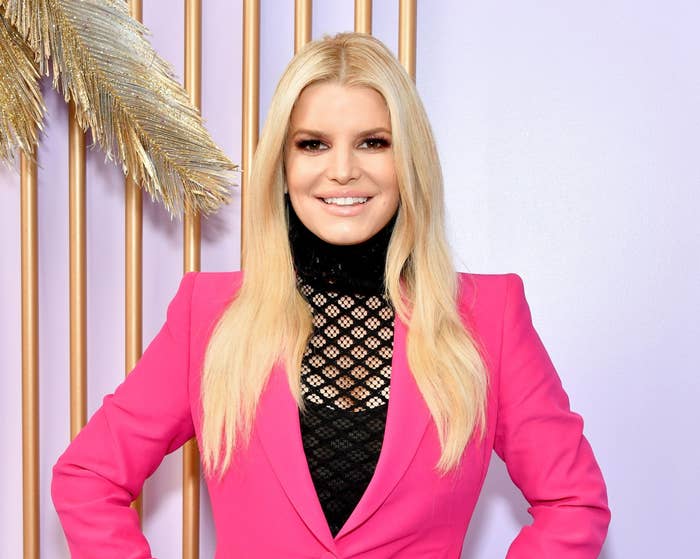
One particularly influential TikTok video from user @junkmotherjess, a nurse, shared a comment thread debating the topic that included a comment stating: “Jessica and I just know she’s a nurse.” That specific joke—about Jessicas being nurses—became a recurring punchline that helped crystallize Jessica’s new reputation. The original video attracted over 20,000 comments, many enthusiastically supporting Jessica as the replacement for Karen, while others offered competing suggestions. Jessica ultimately claimed the title through popular vote.
The meme finally broke through to mainstream awareness in late December 2025, spreading beyond TikTok’s core user base to the broader internet. What began as a grassroots, bottom-up cultural moment—rather than any coordinated campaign or study—quickly became the subject of heated debate.
Not everyone finds the new designation amusing. Some Jessicas have pushed back with frustrated responses, taking to social media to express their dismay at discovering their name had acquired this new stigma. Others have responded with gallows humor, making jokes about their newfound reputation. A few commenters have even defended the name entirely, arguing that the practice of assigning generational insults based on names is inherently sexist and outdated.

Some Millennials have also resisted the characterization. In July 2025, TikToker Erin Diehart, a Millennial herself, argued against Jessica, saying: “I feel like we would know who the ‘A-holes’ of our generation are. And it feels more like a ‘Brittany’ to me, I don’t know about you.” She insisted that there are simply no bad Jessicas, pushing back against the notion that her generation’s most popular name should bear the burden of stereotype.
Not content with just replacing “Karen” for women, Gen Z has also reportedly settled on a name for a male equivalent. According to viral discussion, “David” has been chosen as the new “male Karen” replacement, a designation apparently inspired by data from consumer reviews website Trustpilot. The analysis showed that users named David had left the most one-star reviews on the platform, with the name topping the list of complainers. The Millennial equivalent for male Karens had traditionally been “Ken,” though it never achieved the same cultural prominence as its female counterpart.
The entire phenomenon highlights how naming conventions and viral internet discourse intersect with generational identity. It also raises questions about whether assigning negative stereotypes to names—regardless of generation—is fair to the people who bear them, or whether it’s simply an inevitable part of how online culture evolves. For now, the Jessicas of the world will have to contend with their new and unwanted reputation, much as the Karens before them had to navigate theirs.