

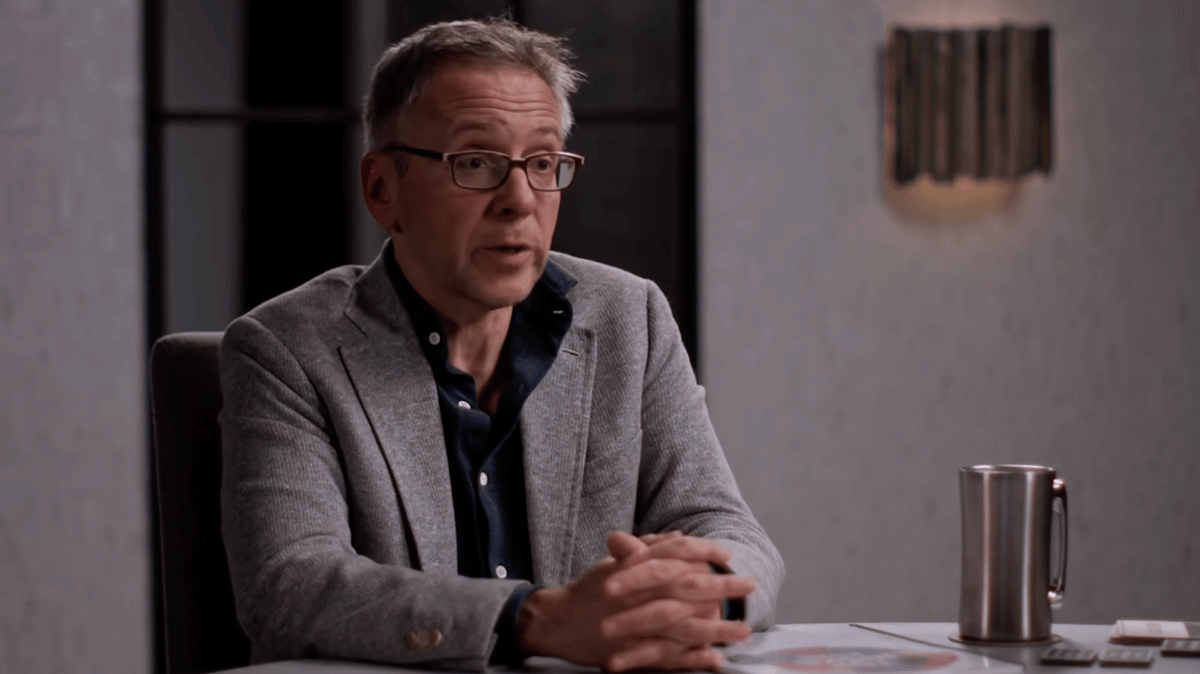
A geopolitics specialist has outlined three major threats shaping 2026 — and says they’re already unfolding.
When it comes to global affairs, 2026 has not exactly been short on dramatic developments.
Much of the attention has centred on the Middle East, after a joint US-Israel strike on Iran in late February, driven by concerns that Tehran is pursuing a nuclear weapon.
Although a two-week ceasefire is currently in place, there are still significant unanswered questions about what happens next as the year continues.
Ian Bremmer — a political scientist and the founder of political-risk consultancy Eurasia Group — broke down the three risks he believes are playing out in real time, during a recent appearance on The Diary of A CEO podcast.
Discussing Eurasia Group’s “Top Risks 2026” report, Bremmer argued that the US has become the world’s leading source of instability, describing it as the biggest contributor to rising uncertainty.
He said: “We see that with the tariffs, we see that with Venezuela, we see it with Greenland, and we see it with Iran.”
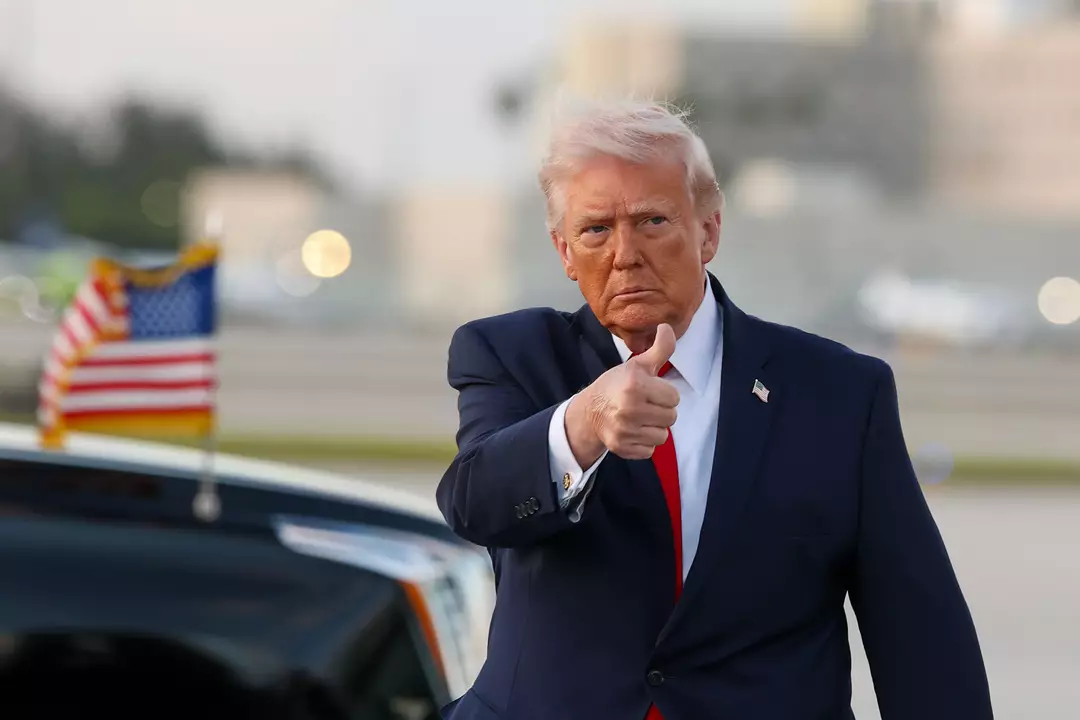
Bremmer noted that comparable behaviour from a smaller country would likely have limited consequences beyond its borders.
But, he warned, the US is different: its economic and political weight means shifts in Washington can quickly ripple out worldwide.
“The American leadership is saying ‘we refuse to be the leader we previously have been,'” Bremmer explained in relation to Trump’s changes to trade and open borders.
He added: “It is creating real movement in how global economies, politics and security works.”
He then turned to China, which he framed as the other dominant power shaping the international landscape — and one he believes is planning years ahead.
“The Chinese have been investing at scale globally in that capability for decades now, thinking long term,” the geopolitical expert added.
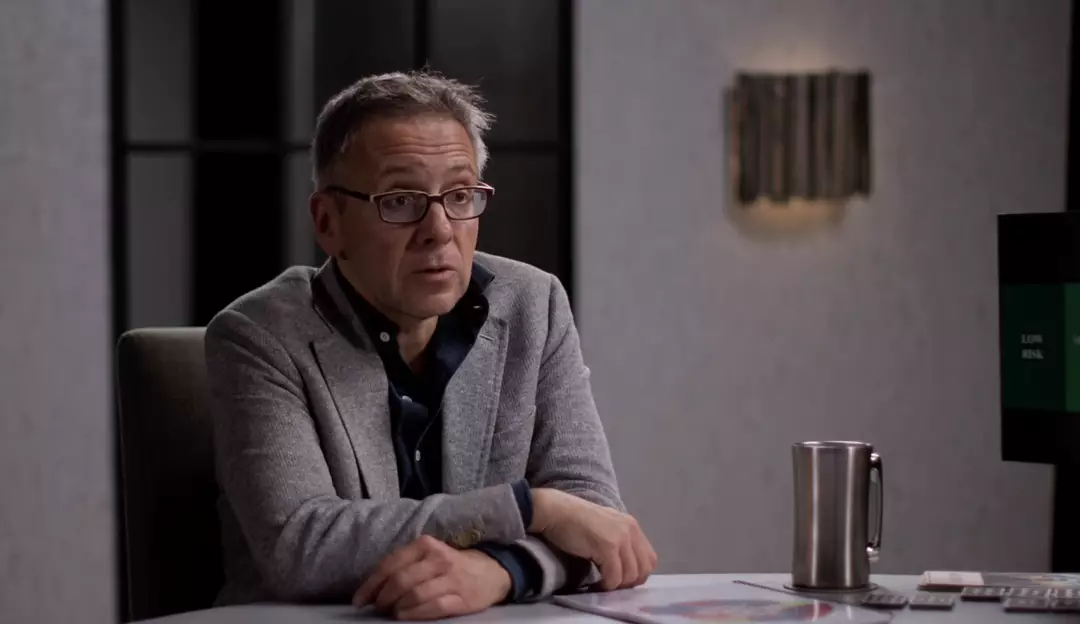
His remarks were linked to rare earth resources, with China holding more than double the capacity of Brazil, which sits second on the reserves list.
Finally, Bremmer addressed the risks surrounding artificial intelligence. While job losses are a common concern, he pointed to another threat: how AI could supercharge cyberattacks and undermine critical systems.
As he put it: “If your systems are hackable by anyone that has access to this tool, your markets are going to go down. Your banks aren’t going to work, your data is going to be stolen. Can you imagine what the Russians or the Iranians would have with that capacity?”