

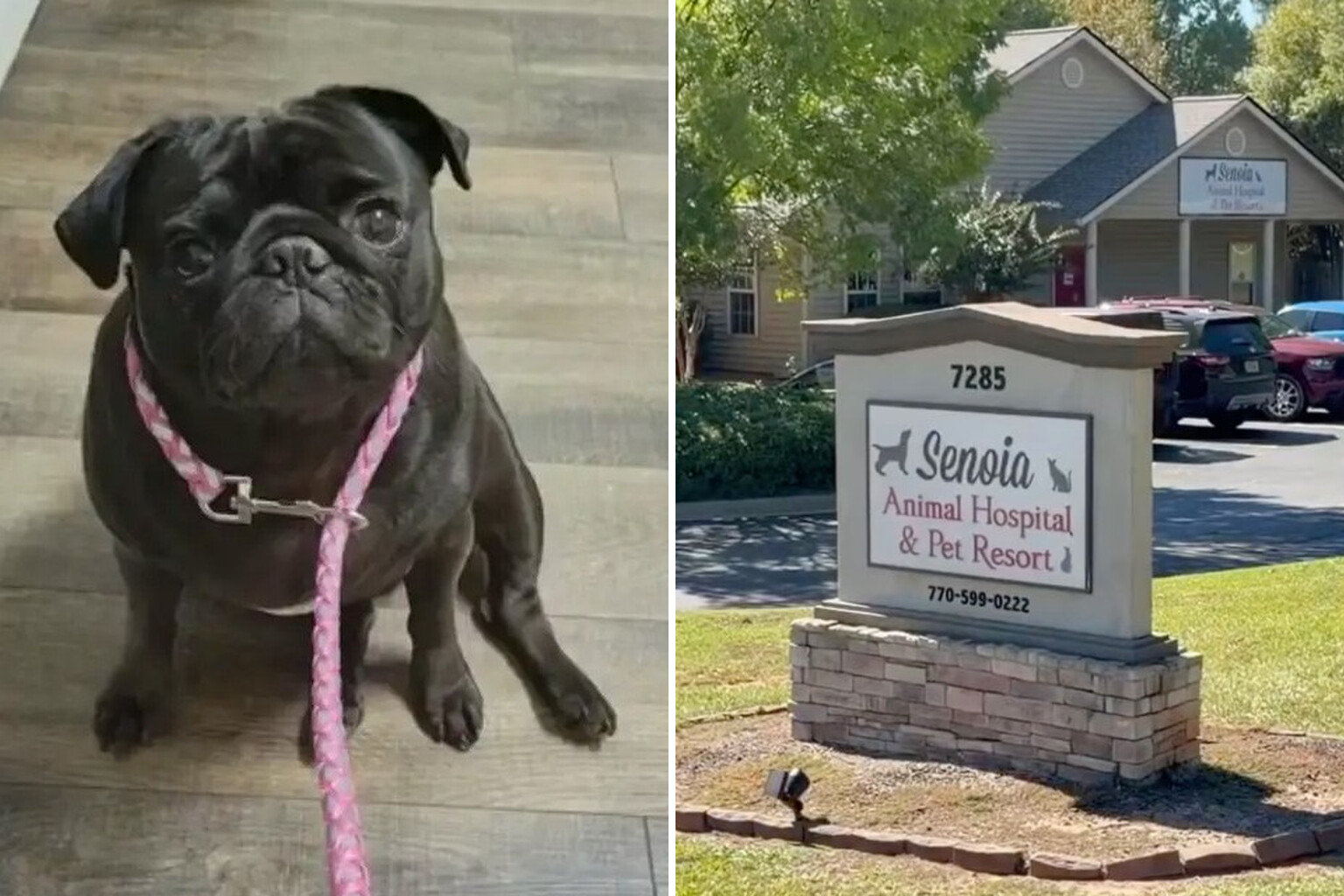
A Georgia mother has filed a formal complaint with the state veterinary board after discovering her family’s supposedly euthanized Pug was alive for months in a clinic worker’s home.
Rebecca Belote, of Coweta County, told WSB-TV that Senoia Animal Hospital advised her to put down Cha Cha, her family’s 4-year-old Pug, after the dog was diagnosed with organ failure from diabetic ketoacidosis. The family agreed to the procedure and paid for it, believing the young dog had no chance of recovery.
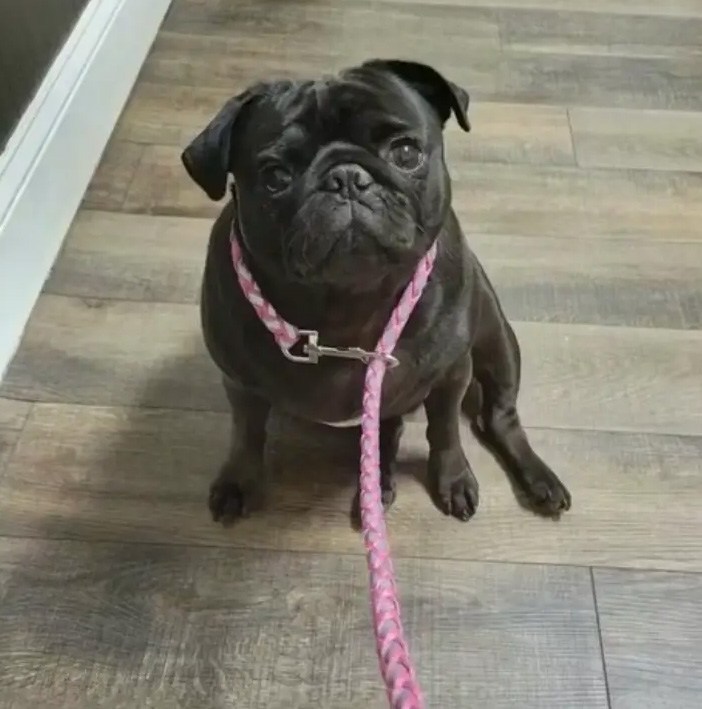
Months later, Belote spotted something that stopped her cold: a photo on Facebook showing Cha Cha alive and apparently healthy, posing with a clinic employee. The discovery launched a confrontation that would end with the dog dead after all.
Belote reached out to the employee’s husband, who confirmed they had taken Cha Cha home and that he had recovered from his illness. The revelation meant the Pug had been living a second life while the family grieved, completely unaware of what had actually happened at the clinic.
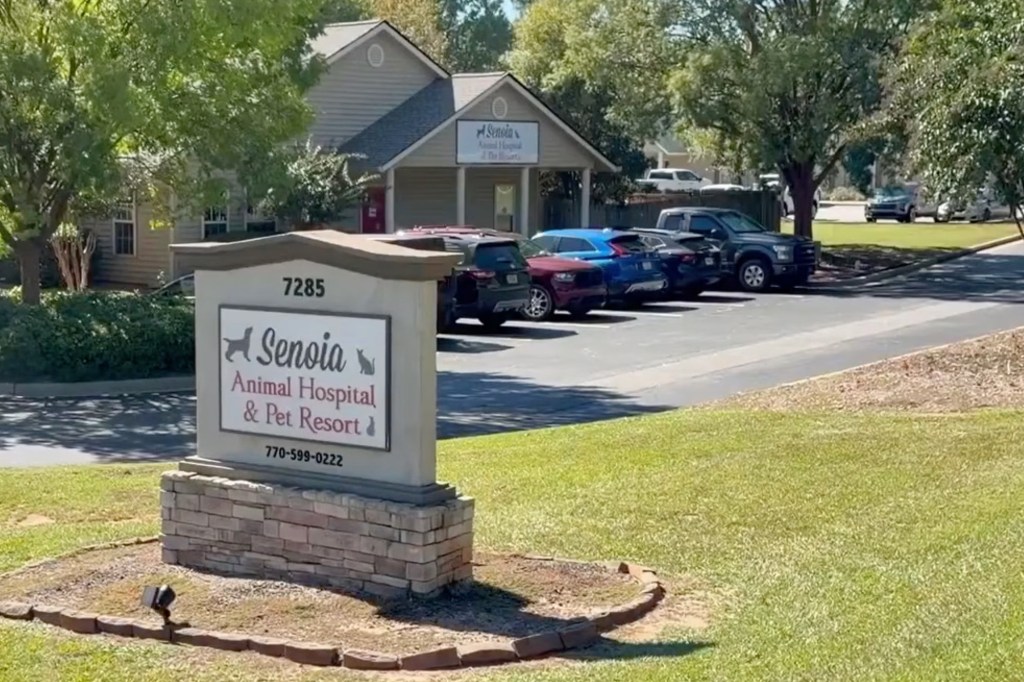
The family’s brief hope that Cha Cha might be returned to them collapsed in an even darker turn. When Belote demanded answers from Senoia Animal Hospital, the clinic retrieved the dog from the worker and completed the euthanasia they had originally been paid to perform.
“The fact that they put a healthy dog down. That’s just sick,” Belote told WSB-TV.
She said the clinic denied that any dognapping had occurred, though she did not elaborate on what explanation they offered for the months-long disappearance of a dog they had certified as euthanized. The clinic did not respond to a request for comment on Tuesday.
For Belote’s family, the loss has been compounded by the knowledge that Cha Cha suffered twice through the same trauma. Her 17-year-old son had been particularly attached to the Pug, she noted, with the pair often wearing matching outfits together.
The case now rests with the Georgia State Board of Veterinary Medicine, which has received Belote’s formal complaint. The board oversees licensing and disciplinary actions for veterinary practices in the state, though it does not comment on pending investigations.
Cha Cha’s death has drawn attention to gaps in accountability for pet owners who trust clinics to carry out end-of-life procedures. Belote’s family paid for a service they believed was completed in good faith, only to learn through social media that their dog had been kept alive without their knowledge or consent.
The emotional toll, Belote suggested, has fallen heaviest on her teenage son, who lost his companion not once but twice under circumstances the family is still struggling to process.