

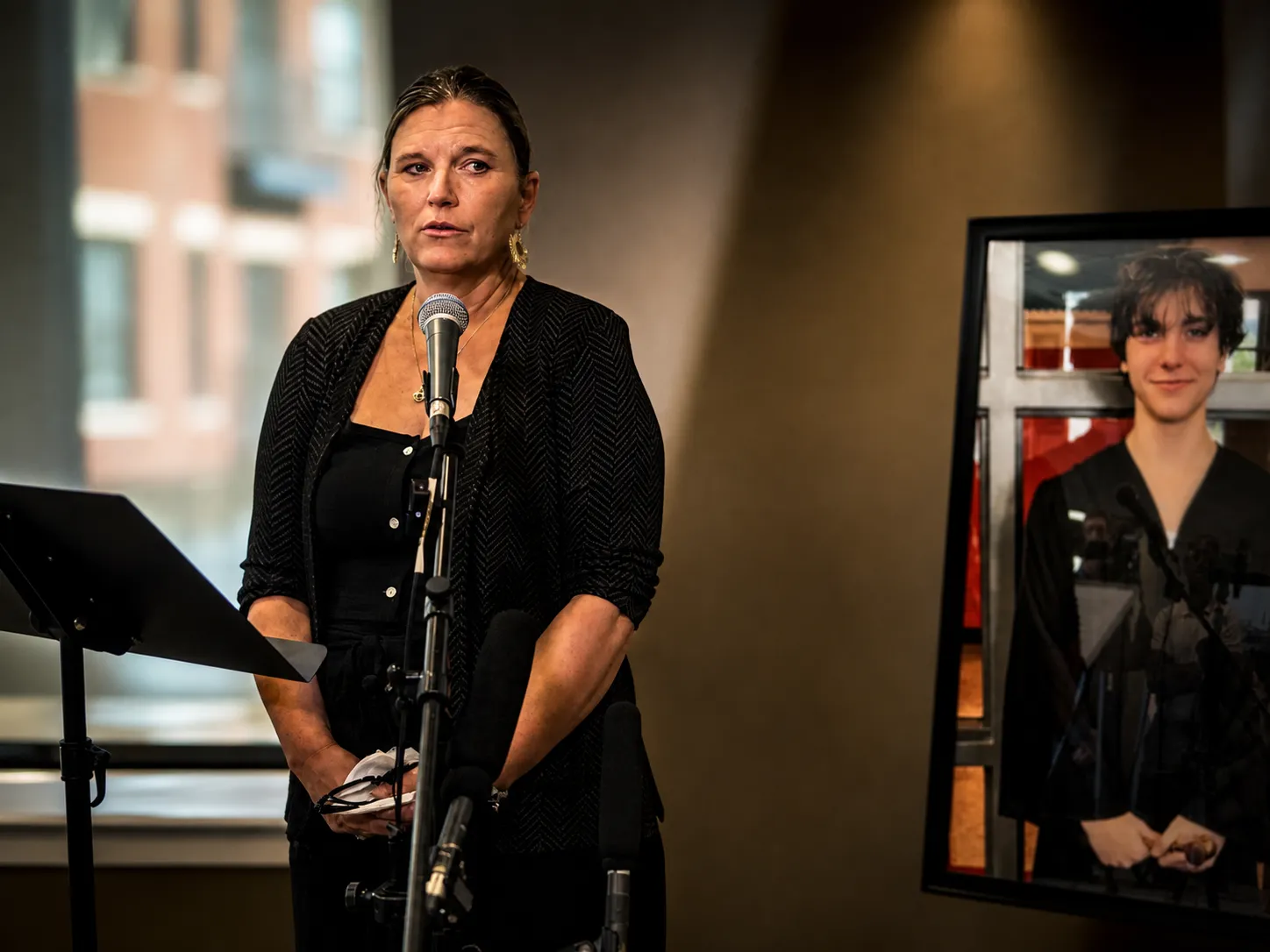
Nearly three years after 18-year-old Henry Willis killed himself after buying a ghost gun online, a Louisville jury awarded his mother more than $100 million in damages.
It’s the largest dollar amount awarded by a jury against a gun dealer in the country, according to the lawyers in the case.
The out-of-state seller Husky Armory LLC and its parent company Up North Media LLC didn’t respond to the lawsuit, show up for the trial or defend themselves.
A judge issued a judgment against the gun sellers last year as they continued to ignore the lawsuit.
The case centers on the sale of a “ghost gun” kit—an untraceable firearm sold in parts form without serial numbers or background checks.
On July 6, 2023, Husky Armory sold Henry Willis a gun-building kit, and just six days after receiving it by mail, Henry died by suicide on July 30, using a handgun built from the kit.
Henry Willis was a member of his high school’s club for future lawyers and was learning to play the guitar, according to his mother.
At the time he purchased the kit, Willis was ineligible to legally own a firearm on multiple grounds.
Willis was too young to purchase a handgun from a licensed firearm dealer in Kentucky.
Federal law also prohibits individuals convicted of a misdemeanor domestic violence crime from possessing a firearm. According to court records, Willis was found guilty of domestic violence assault resulting in minor injury in March 2023.
Additionally, Willis was struggling with serious mental health challenges and was receiving psychological treatment in the months before his death.
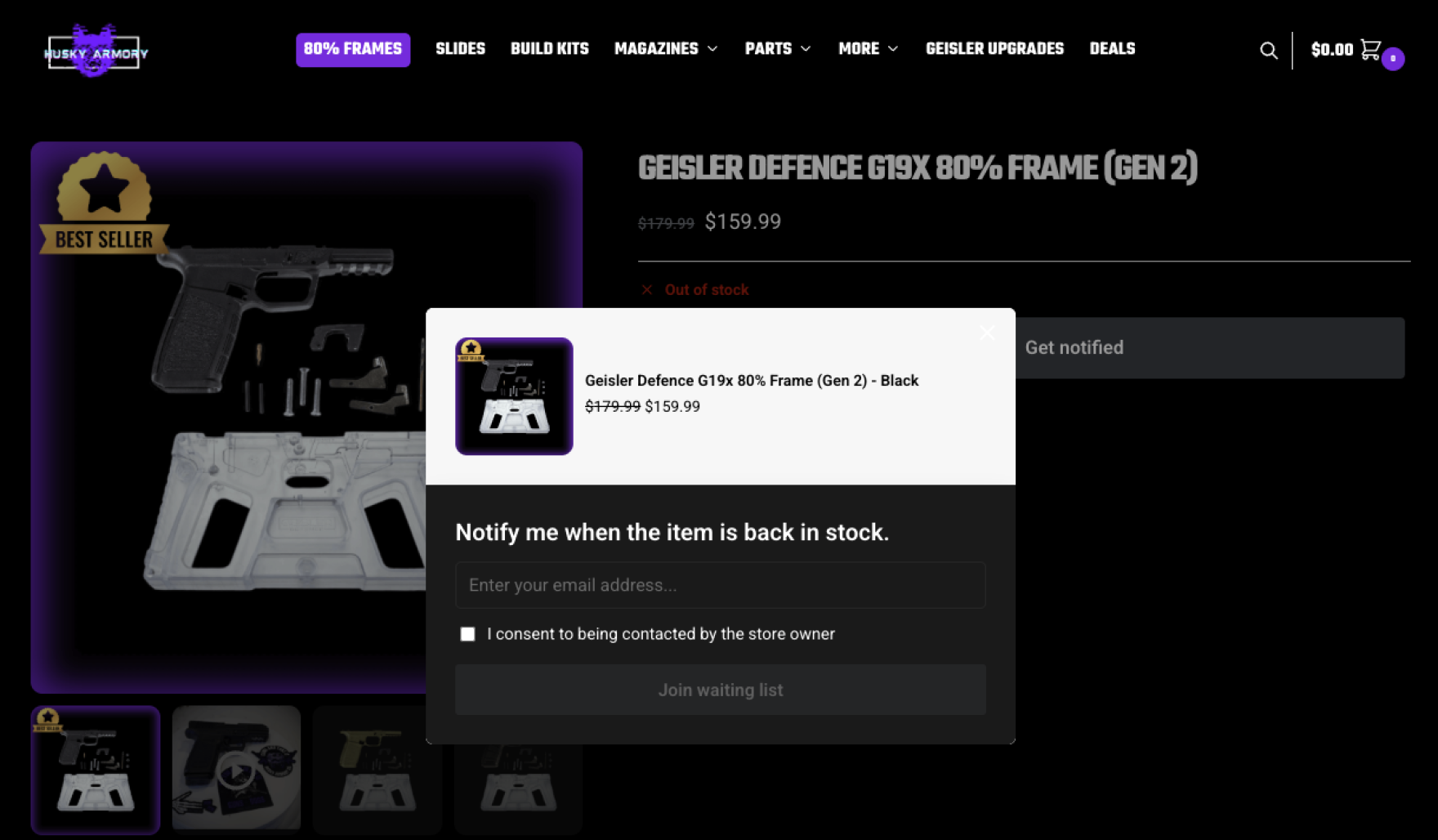
The company sold Henry a ghost gun kit online. For a variety of reasons, including his age, Henry could not have bought a handgun legally, either by walking into a gun store or by buying one from a legal online seller. As far as we know, he didn’t even try to buy one legally. But Husky Armory, they bypassed his parents, they bypassed the law, and they shipped a lethal weapon right to his door.
This quote came from Dana Mulhauser, a lawyer with Everytown Law representing the Herp family.
According to the lawsuit, the kit included “everything you need to build your own Glock style pistol from the comfort of your home.” Henry required only minimal assembly work to complete the firearm.
Laura Herp said companies like Husky Armory thrive off selling to folks who shouldn’t have access to firearms, and they didn’t care who Henry was. They didn’t even bother showing up to the trial. No amount of money can bring my son back, and nothing will ever make this right.
The lawsuit alleged that Husky Armory and its parent company operated without a federal firearms license and violated federal law by selling a firearm to someone who was too young to legally own one and who had a domestic violence conviction and documented mental health crisis.
The verdict comes as part of a broader legal effort to hold online ghost gun sellers accountable.
Everytown Law has filed lawsuits over the gun kits in several other states, including Virginia, where a teenager with a ghost gun killed two other teens, and in Michigan, where a teen accidentally fired a ghost gun, wounding another.
Ghost guns have become increasingly prevalent in criminal investigations nationwide.
The kits are called ghost guns because manufacturers sell them as parts, without serial numbers or the usual background checks.
This lack of traceability makes them particularly attractive to people legally prohibited from owning firearms.

A 2022 Biden-era rule requires background checks and serial numbers for certain gun kits and a U.S. Supreme Court decision last March upheld that policy.
However, enforcement of these regulations remains a challenge as companies continue to operate in ways designed to circumvent them.
The verdict is a significant development in gun violence prevention litigation.
This lawsuit is part of a broader and what has been actually a quite successful effort to address the proliferation of ghost guns over many years, starting in the 2017-2018 time period around the country, according to Eric Tirschwell, executive director of Everytown Law.
Herp said in a statement Thursday that it was incredibly sad to attach a value on her son’s life, but that gun sellers “need to be held accountable.”