

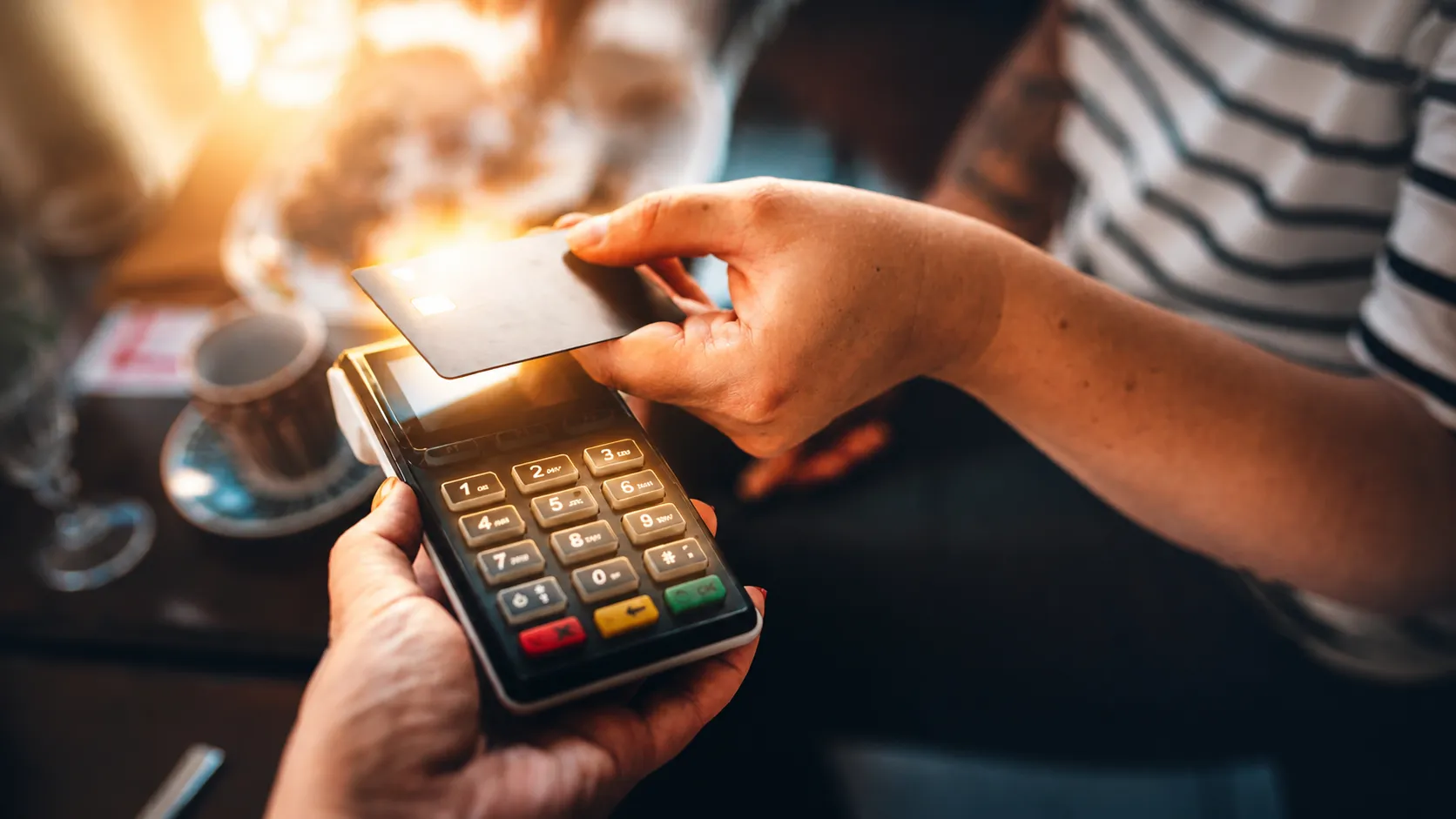
Fraudsters are constantly finding new ways to target people’s money, and one payment scam experts want consumers to watch for is ‘ghost tapping’.
With fewer people relying on notes and coins, most purchases are now made electronically. The Federal Reserve’s latest Diary of Consumer Payment Choice found that cash accounted for 14 percent of all consumer payments in 2024, while credit cards made up 35 percent and debit cards 30 percent.
Instead, shoppers are increasingly using debit and credit cards, either in physical form or through digital versions stored on their phones. The same Federal Reserve survey found that U.S. Consumers made an average of 11 payments per month with a mobile phone in 2024, up from four payments in 2018.
As contactless payments have become more common, so have scams that exploit Near Field Communication (NFC) technology used by cards and digital wallets. One example is ‘ghost tapping’.
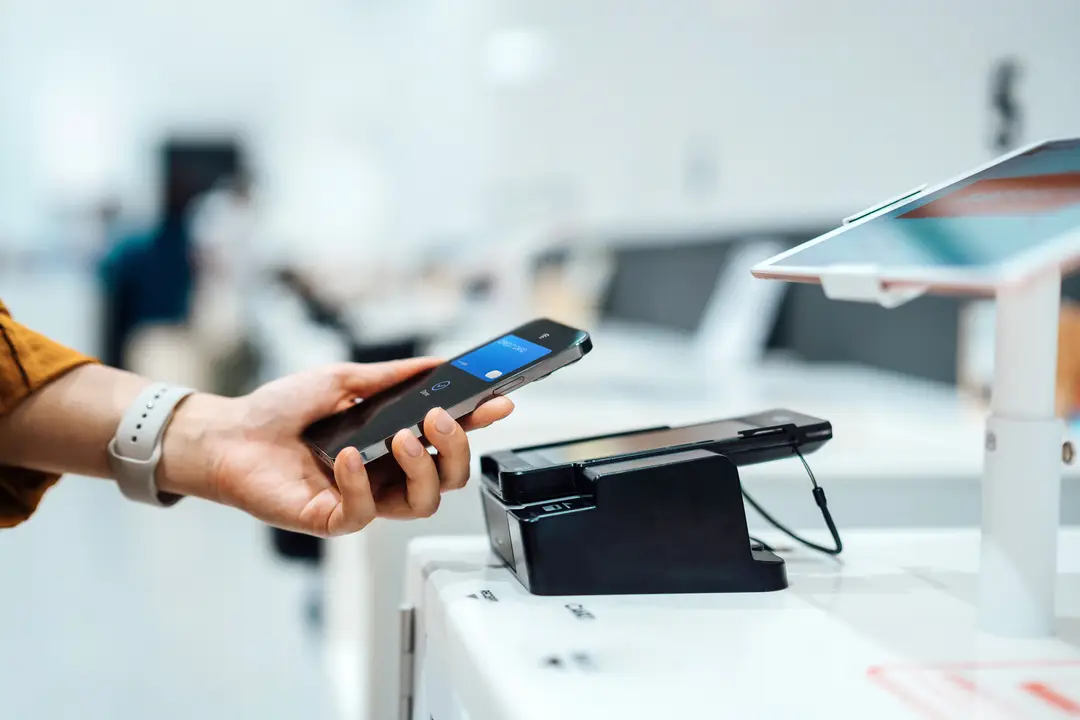
This type of scam focuses on NFC-enabled payment methods commonly found in bank cards and mobile wallets.
In practice, criminals can misuse the technology by getting close to someone in a public setting while carrying a payment terminal, allowing them to take money wirelessly from a contactless payment device without permission. Scammers also use fake vendor setups, rushed payment requests, and small “test” charges to make the fraud harder to spot right away.
The Better Business Bureau (BBB) says there are several warning signs that could indicate this kind of fraud. These include receiving a bank alert about a small or unusual ‘test’ transaction, being asked to tap your phone or card on a payment device that does not display the total amount, being denied a receipt, or noticing suspicious charges after spending time in a crowded place.
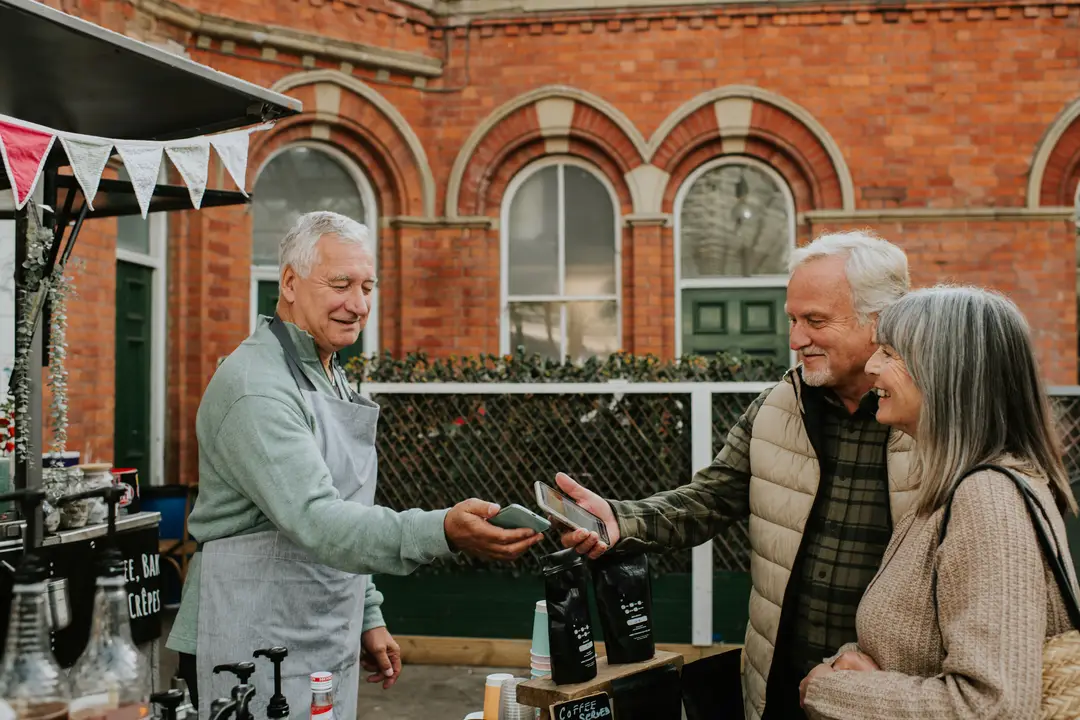
One report submitted to the BBB Scam Tracker described a case in which a man went door to door claiming he was selling chocolate to support a special needs school.
According to the report, he said he could only take ‘tap-to-pay’ payments, then processed much larger amounts than the cardholders were able to see. In that case, one woman was allegedly charged $537, while another person lost $1,100.
“He changes neighborhoods frequently to avoid getting caught,” the person who wrote the report added.
Consumer advocates say the good news is that contactless payments themselves are generally designed to be secure. Payment cards and mobile wallets use built-in protections such as encryption, tokenization, and device authentication, so the scam usually depends on tricking someone into tapping without checking the amount or merchant details first.
If you believe you’ve been targeted by ‘ghost tapping’, the BBB recommends contacting your bank issuer immediately, freezing or cancelling the affected card, and filing a report through the BBB Scam Tracker.
The organization also advises consumers to enable transaction alerts, verify payment details before tapping, and reduce their use of contactless payments in high-risk locations.
Before you tap, check the merchant name and amount on the reader, and do not tap if the screen is blank, the business looks improvised, or the seller rushes you. In busy places such as festivals, transit stations, flea markets and parking lots, it can be safer to use chip-and-PIN, swipe, or another payment method if you are unsure.
Regularly reviewing your account activity and using an RFID-blocking wallet or sleeve may also help protect against wireless skimming.