

2026 has already delivered plenty of headlines — conflicts, bizarre weather, and now reports of 2,046 fireballs streaking toward Earth… seriously?
It’s not a typo. The American Meteor Society (AMS) says observers across the US have been logging a surge of “fireball” sightings, with more reports arriving early this year than during the first quarter of any year since 2011.
The wave of activity has also fueled UFO speculation, after the Society indicated that not every tracked event neatly matches known local meteor showers or other routine explanations.
Describing the activity as a ‘pattern that warrants serious investigation’, the AMS noted that 38 major events around the world were each reported by more than 50 people — a total that exceeds 2025 and 2024 combined.
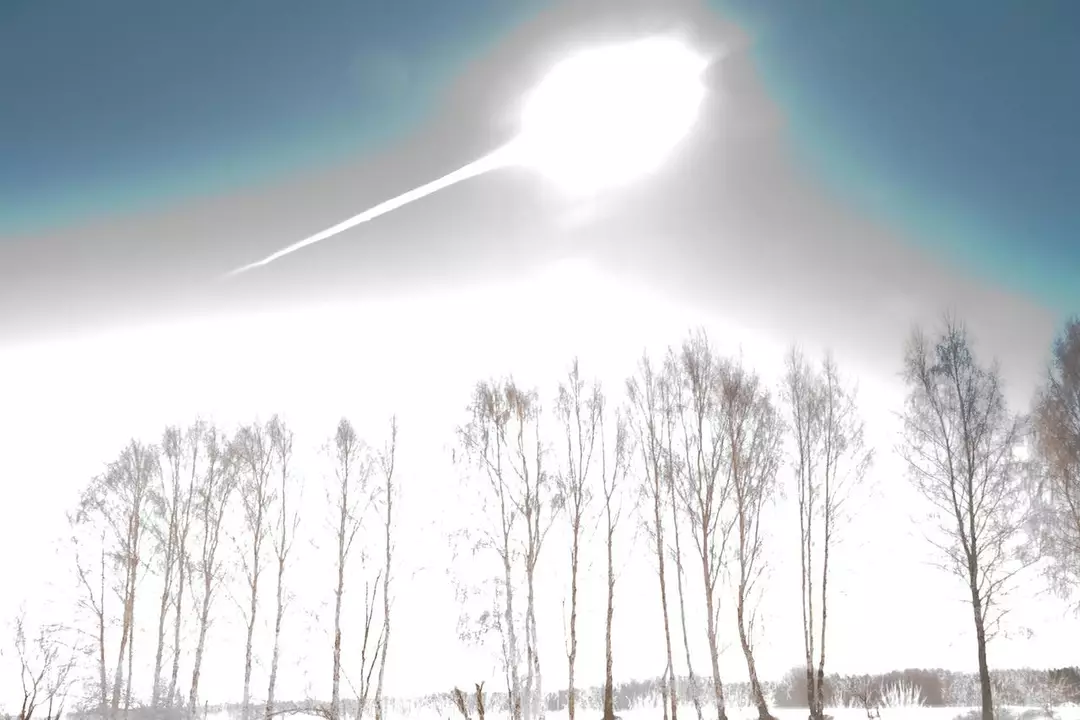
So what’s behind the spike?
According to the AMS, the rise is more consistent with an increase in natural meteor activity — not evidence of alien visitors.
That said, fireballs aren’t necessarily harmless. A fast-moving meteor that survives long enough to reach the ground can still cause serious damage if it hits property.
The AMS added that some of the meteors people have reported were visible for more than four seconds, and a number of them were even linked with ‘sonic booms’ — something that typically requires speeds of 25,000 miles-per-hour or more.
Even with the insistence that none of these objects have been tied to extraterrestrial life, one report from March 17 in Texas drew extra attention online because of what witnesses described as an unusual path.
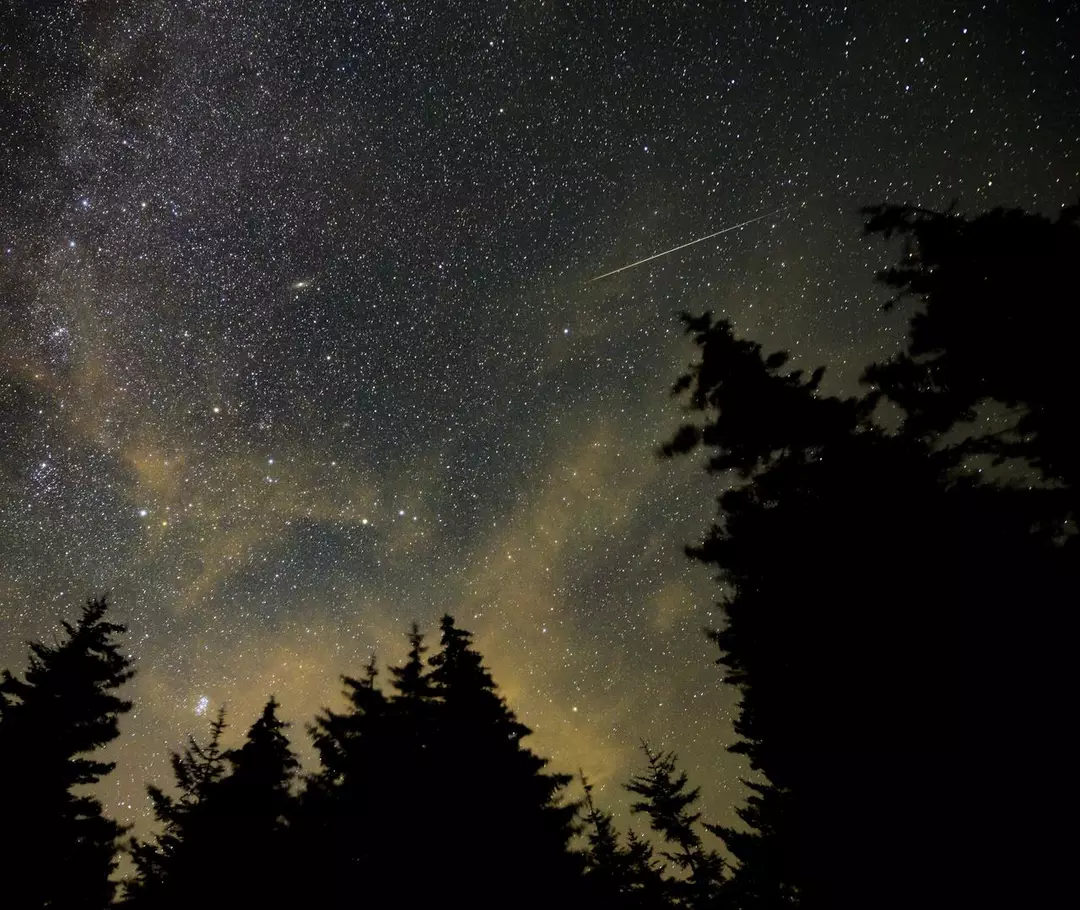
Rather than continuing downward as expected, the bright orange trail appeared to arc and climb back upward.
The AMS has also said that recent meteorites recovered on Earth have been achondritic HEDs — a category of meteorites that lack chondrules and are associated with material from the asteroid Vesta.
Vesta orbits between Mars and Jupiter, and fragments from it can break away, drift into Earth-crossing paths, then burn through the atmosphere and sometimes reach the surface.
In one case, a meteorite reportedly struck a woman’s home in Houston on March 21.
Still, the Society believes there may be a straightforward reason the numbers look so high.
The AMS suggested that more people may be turning to AI chatbots after seeing something in the sky, and then being directed to official reporting pages — increasing the volume of submissions.
While noting that the last time reports topped 2,000 was in 2021, the AMS emphasized that incidents where meteors land and cause injury or major harm remain uncommon.
NASA also commented on the trend, stating: “Some astronomers think the Earth passes through more large debris at this time of year, causing an uptick in fireball sightings.”
At the same time, the agency echoed another likely factor: modern phones and quick-access technology make it easier than ever for witnesses to capture and report what they see.