

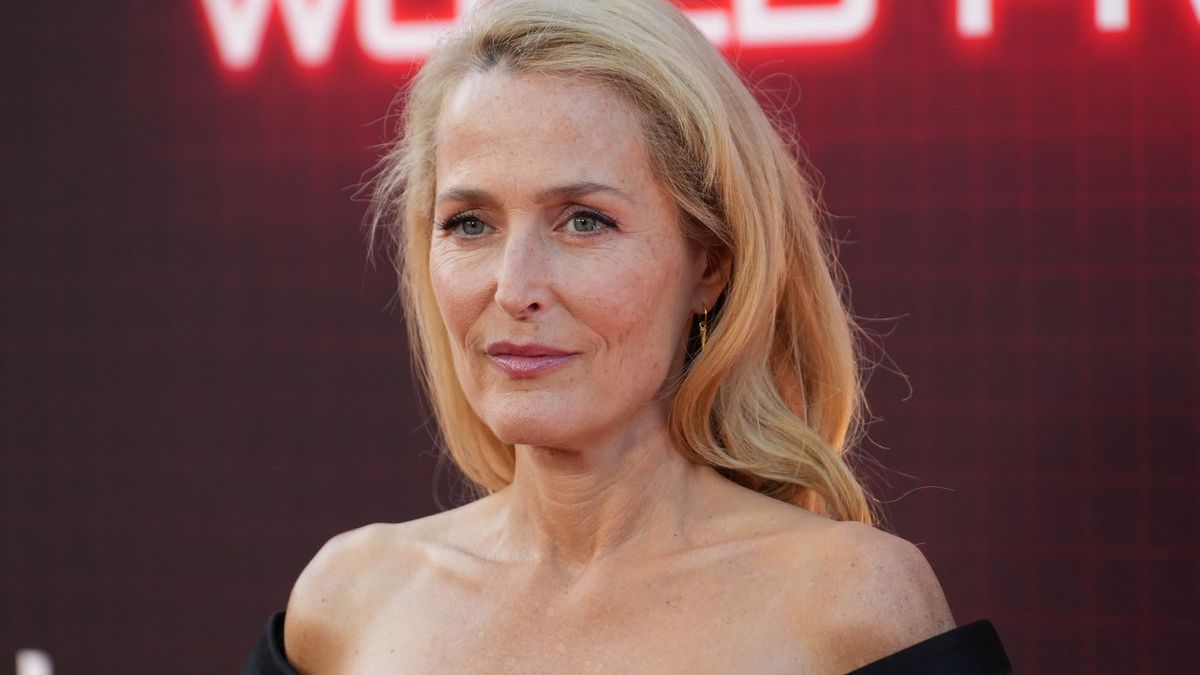
The X-Files star Gillian Anderson has spoken candidly about the “responsibility” she now feels to keep calling out injustices in entertainment, including unequal pay.
Across a remarkable career, Anderson has taken on a string of standout parts — from FBI agent Dana Scully in The X-Files to Jean Milburn in Sex Education and Margaret Thatcher in The Crown.
But even with that résumé, she says fair compensation hasn’t always followed, and the reality of pay disparity has continued to surface.
While speaking with podcast host Josh Smith on Josh Smith’s Great Chat Show, the 57-year-old explained that for years she resisted being positioned as an example for others, admitting that for a “long time” she “didn’t want the responsibility of being a role model or labeled as a role model”.
She reflected: “It felt like after a while, talking about equal pay, talking about Scully effect, talking about all those things that journalists wanted to talk to me about because they were kind of cool and unique.
“But because it felt like old news to me at a certain point I kind of pushed back against it. And was sort of like, ‘Oh my God, they want to talk about this again’.”
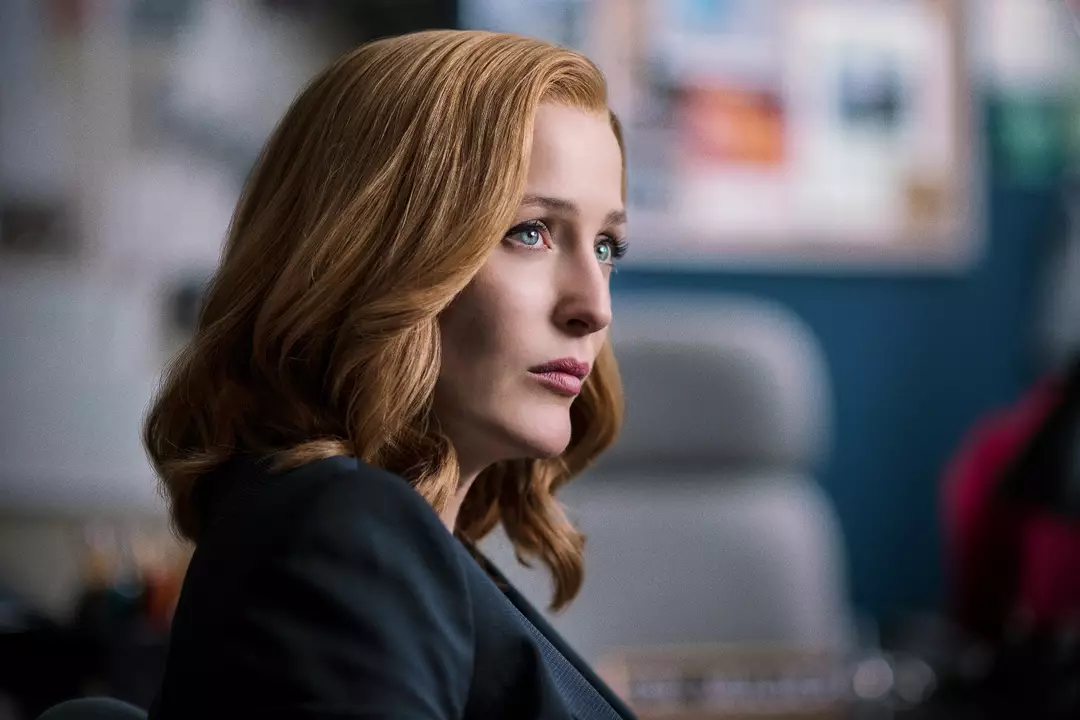
Over time, though, she came to see that these topics weren’t something the industry had moved past — and that the problems remained very current.
She revealed: “And it wasn’t until, you know, being offered a huge percentage less than male co-star that I suddenly thought actually I f**king need to keep talking about this because it’s still an issue.
“And I didn’t realise that and I’ve been pushing it away because it felt like old news, but actually it is still in our present.
“So it’s all those types of things and me suddenly going, ‘Okay, right. Maybe I don’t know what’s best and maybe I just need to put my guard down’.”
Before addressing the pay gap directly, Anderson also discussed moments when she’s felt most proud about speaking up publicly.
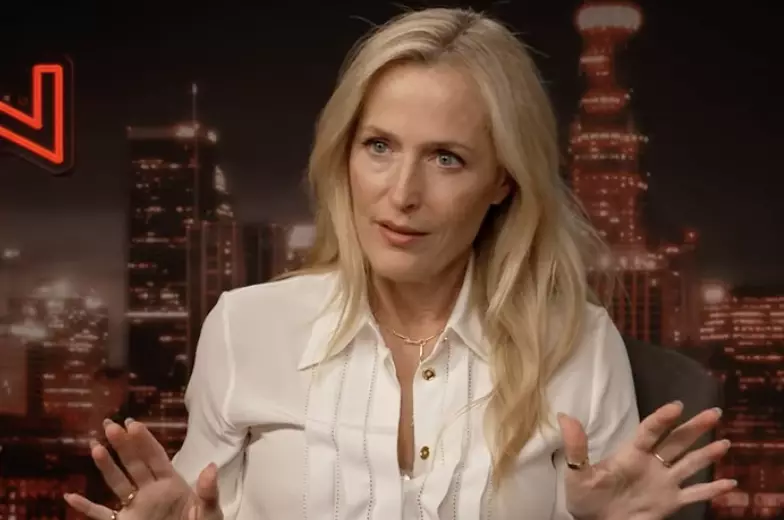
She spoke about publishing her book, as well as her more recent role as a L’Oreal ambassador — and how she hadn’t expected it to become, as she put it, “a route to being [her] authentic self”.
“I thought, at first, I’d need to put on a bit of an act or be something other than, even though they were wanting to get into a relationship with me because of things I’m outspoken about, my activism, things that are important to me, my value system.
“It wasn’t until I started to work with them to realize the degree to which they really actually mean that it is me, it’s my writing and completely aligns with everything that I am quite outspoken about.
She resolved: “So, I’ve kind of had to re-adjust my thinking around it.”