

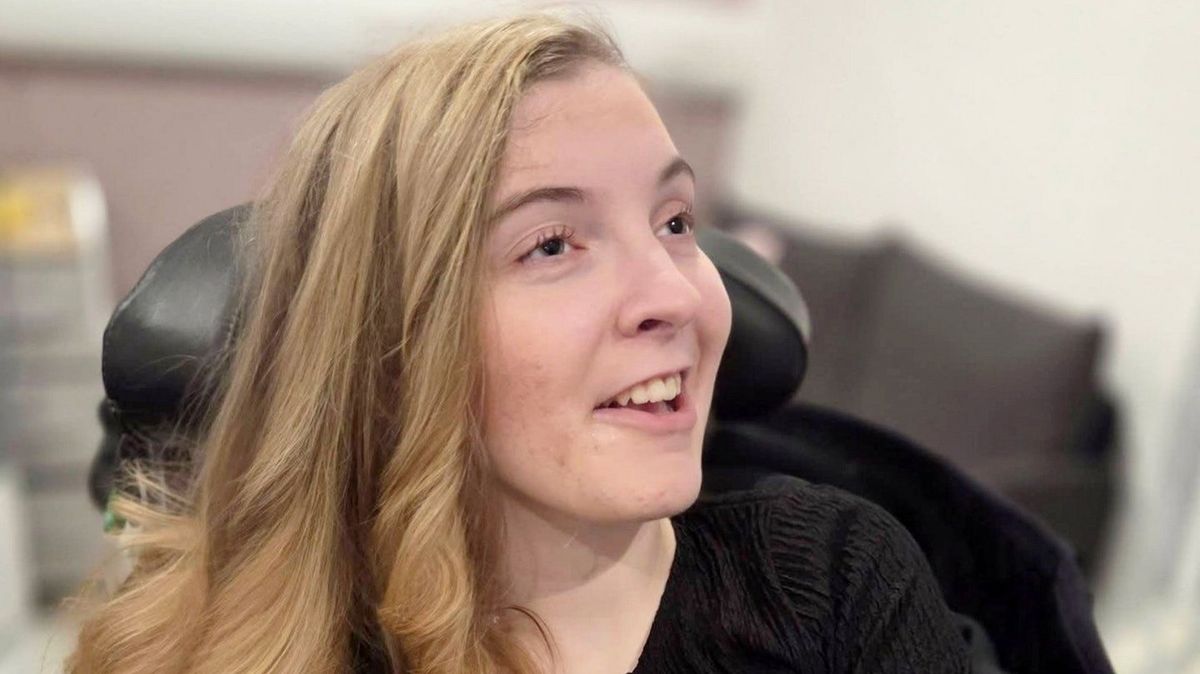
After two seizure episodes were reportedly brushed off as anxiety, a teenager was left unable to speak when a third collapse caused her brain to go without oxygen for more than half an hour.
Rubie Boynton’s condition dramatically worsened not long after her 16th birthday. She went into cardiac arrest, and her family say her brain was deprived of oxygen for 31 minutes. Now 18, she is still mute.
Her mother, Kim Tucker, 42, believes earlier concerns were not taken seriously, and says that missteps in her daughter’s care contributed to the outcome. Rubie was later diagnosed with catecholaminergic polymorphic ventricular tachycardia (CPVT), a rare heart rhythm disorder.
Kim, a mum of three, has described the impact on Rubie’s day-to-day life. Her daughter cannot speak and can only eat blended food. “I feel sadness because Rubie didn’t deserve this,” she said.
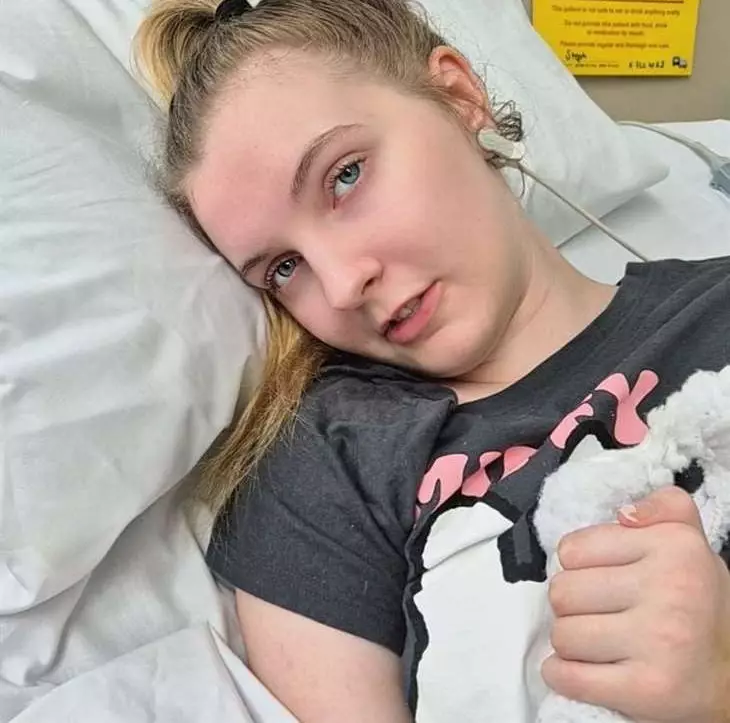
CPVT is thought to affect around one in 10,000 people and is typically inherited, caused by a faulty gene. It can prompt a dangerously fast heartbeat during exercise or emotional stress.
Even so, Kim says the rarity of the disorder should not have been a reason to dismiss Rubie’s symptoms, and she feels the family’s concerns were not properly explored.
The mom from Kent, England, said: “The NHS therapy side of things has been pretty much non-existent which has been really difficult to handle because I just thought ‘why is everyone giving up on her?’.
“I am so angry. 111 said she should take some paracetamol and she would be fine. I am really annoyed that they didn’t tell her to get looked at.
“I don’t know why I didn’t push for more tests. I thought that if that’s what the GP was telling me then they must know. I am angry at myself as well that I didn’t ask for more.”
In May 2024, Rubie’s collapse wasn’t linked to a major scare or intense event, her family say. She had been out with friends in a park near her home when another group of girls approached them, and that moment was enough to trigger the undiagnosed condition.
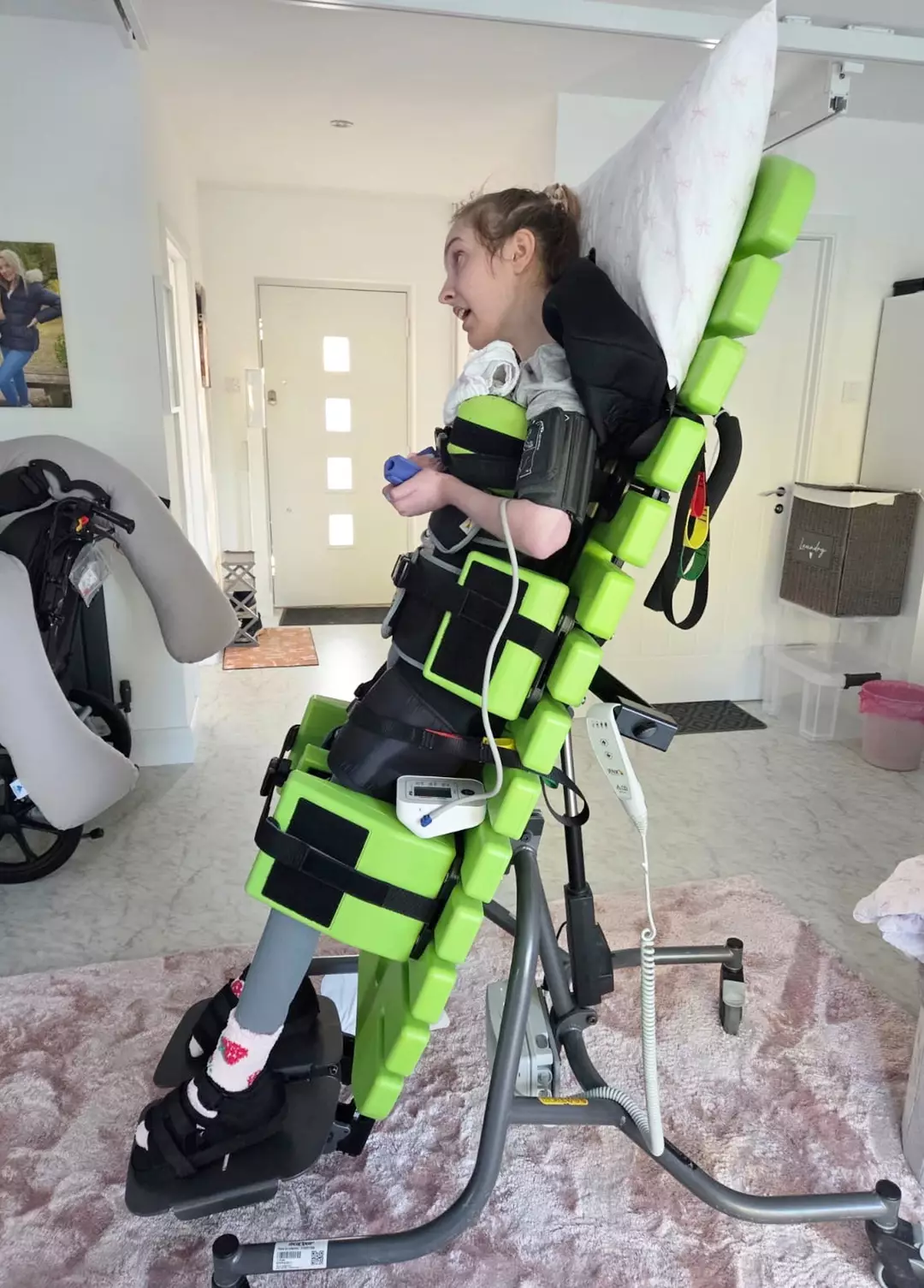
Rubie’s friend began CPR, which helped keep her alive until an air ambulance arrived. She was flown to King’s College Hospital in London and placed into a medically induced coma.
Although she survived, the prolonged period without adequate oxygen caused severe disability. Rubie has ongoing difficulties with movement, cannot speak, and cannot manage solid food.
Kim says there have been meaningful improvements since her daughter woke up, including some return of fine motor control in her hand. But when Rubie attempts to talk, no sound comes out.
Rubie now communicates by blinking. Kim said: “Rubie has made massive improvements. I think because I see her every day I sometimes don’t see the improvements, but I look back on videos from hospital and it is a massive change.
“She is so much more aware. She is moving more purposefully than she was before.”
With Rubie requiring extensive support, including high-dose oxygen therapy and physiotherapy, Kim and her partner Simon have both had to stop working, despite carers visiting four times a week.
Kim added: “We are just trying anything really, we want to give it all a go and see if it makes a difference. I don’t think she will get back to where she was before or even close.
“It has been such a hard journey for me. We just cope the best that we can. I am grateful for the carers that do come in and give us a hand.”
A fundraising page has been setup by Rubie’s aunt to support her family with bills and additional healthcare costs as she works to regain her speech and mobility. You can donate here.