

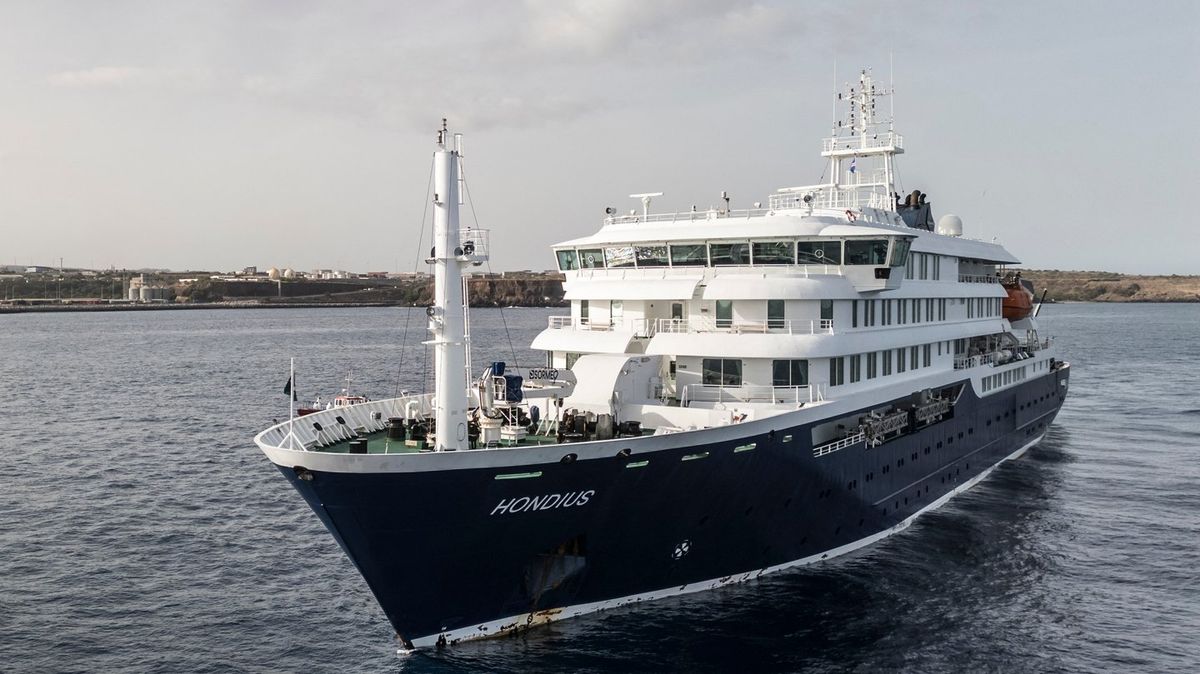
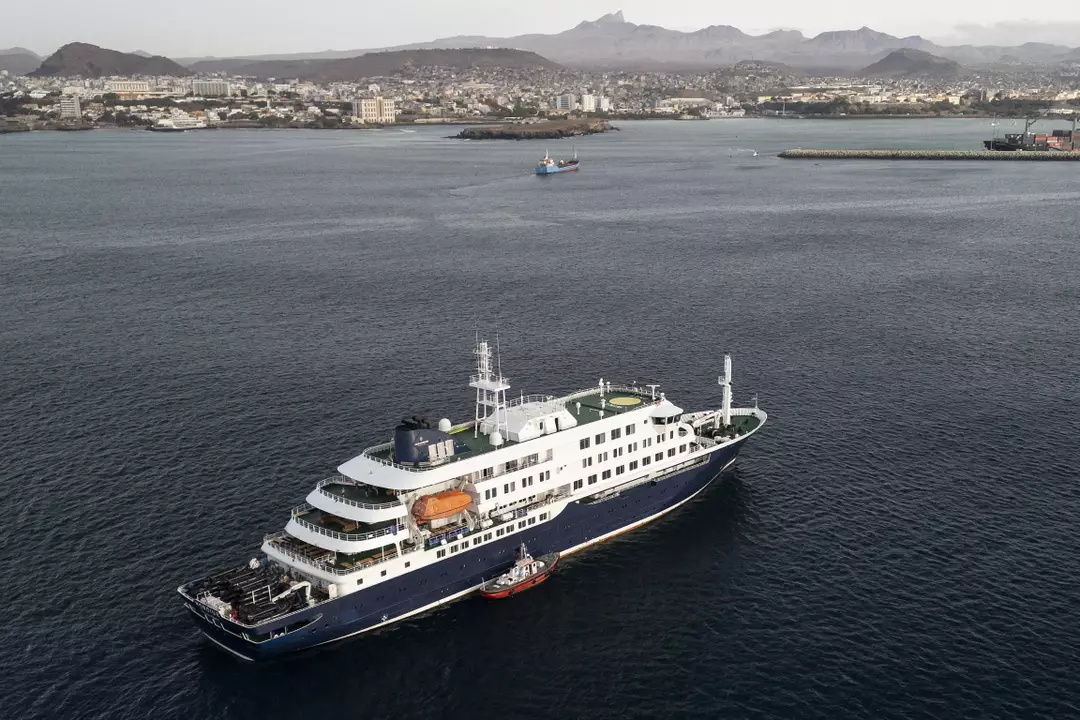
Public health officials across multiple countries are trying to locate 30 travelers from 12 nations who left the MV Hondius cruise ship before learning they may have been exposed to the potentially deadly hantavirus.
Oceanwide Expeditions, which operates the vessel, confirmed on Thursday that the passengers had already disembarked in St. Helena on April 24 — roughly two weeks after the first death linked to the outbreak.
Authorities are now working to identify and contact those 30 people, along with anyone who may have had close contact with them, in an effort to reduce any further transmission.
Six of the passengers are American. Health officials are monitoring individuals in at least four states — Georgia, Arizona, California and Virginia — following their return from the ship, although no symptoms have been reported so far.
In the United States, the Trump administration has said it is ‘closely monitoring the situation’, and the Department of State is believed to have put a coordinated response in place that includes reaching out directly to affected passengers.
Even with the heightened attention, and despite the virus potentially being fatal, the CDC has said the overall risk to the U.S. Public remains ‘extremely low.’
Hantavirus is an infectious disease most commonly associated with rodents, including deer mice, cotton rats, rice rats and the white-footed mouse. Typically, people become infected after being bitten or after exposure to the urine, droppings, or saliva of an infected animal.
The strain identified on the MV Hondius is of particular concern because it differs from many other hantaviruses: it can spread from person to person.
On May 6, the World Health Organization confirmed the outbreak involves the Andes strain — the only known hantavirus strain that can be transmitted between humans.
First identified in South America, especially Argentina and Chile, human-to-human spread is thought to occur after close, prolonged contact during the early stage of illness.
There is currently no known vaccine or cure for hantavirus infection in humans.
Speaking to the BBC, chief of special pathogens at Canada’s National Microbiology Laboratory, David Safronetz, stated: “There are no specific vaccines for hantaviral diseases, there are no specific antivirals to treat the disease in humans with.”
“Treatment primarily is supportive care, so early identification of cases, seeking medical attention, and getting into facilities that are capable of assisting,” the medical expert added.
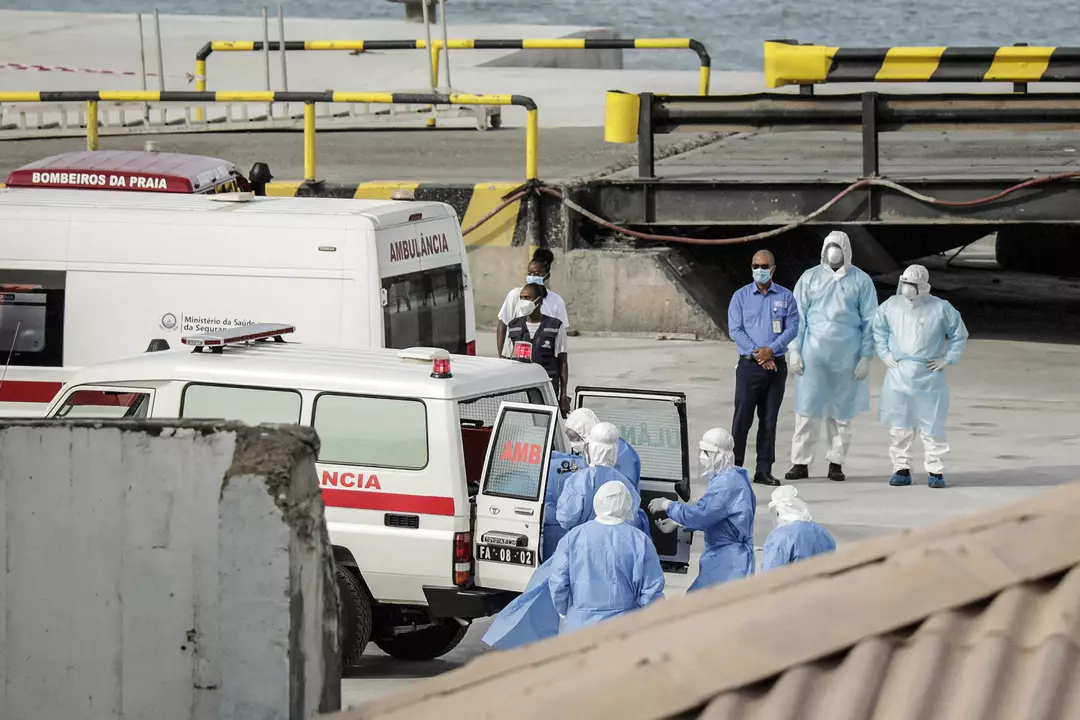
The WHO has reported that three Dutch nationals have died following a suspected hantavirus outbreak linked to the Atlantic Ocean cruise ship.
According to the agency, there is one confirmed case so far, along with five additional cases that are considered suspected.
The first passenger known to have fallen ill was a 70-year-old man who ‘suddenly became ill’ while on board and died shortly after reaching St Helena Island.
His 69-year-old wife later developed symptoms as well and died soon after in a hospital in South Africa.
A third Dutch passenger has also died, and their body is still on the ship.
Separately, the Dutch Health Ministry said a flight attendant is being treated in hospital and tested in the Netherlands after contact with one of the passengers who died.
If her test comes back positive, she may become the first known case tied to this outbreak involving someone who was not on the MV Hondius.