

U.S. Prosecutors are seeking leniency at next week’s sentencing of a Turkish-Iranian businessman who admitted to helping Iranians and their government evade sanctions and who provided key testimony at a 2017 corruption trial that strained relations between the United States and Turkey.
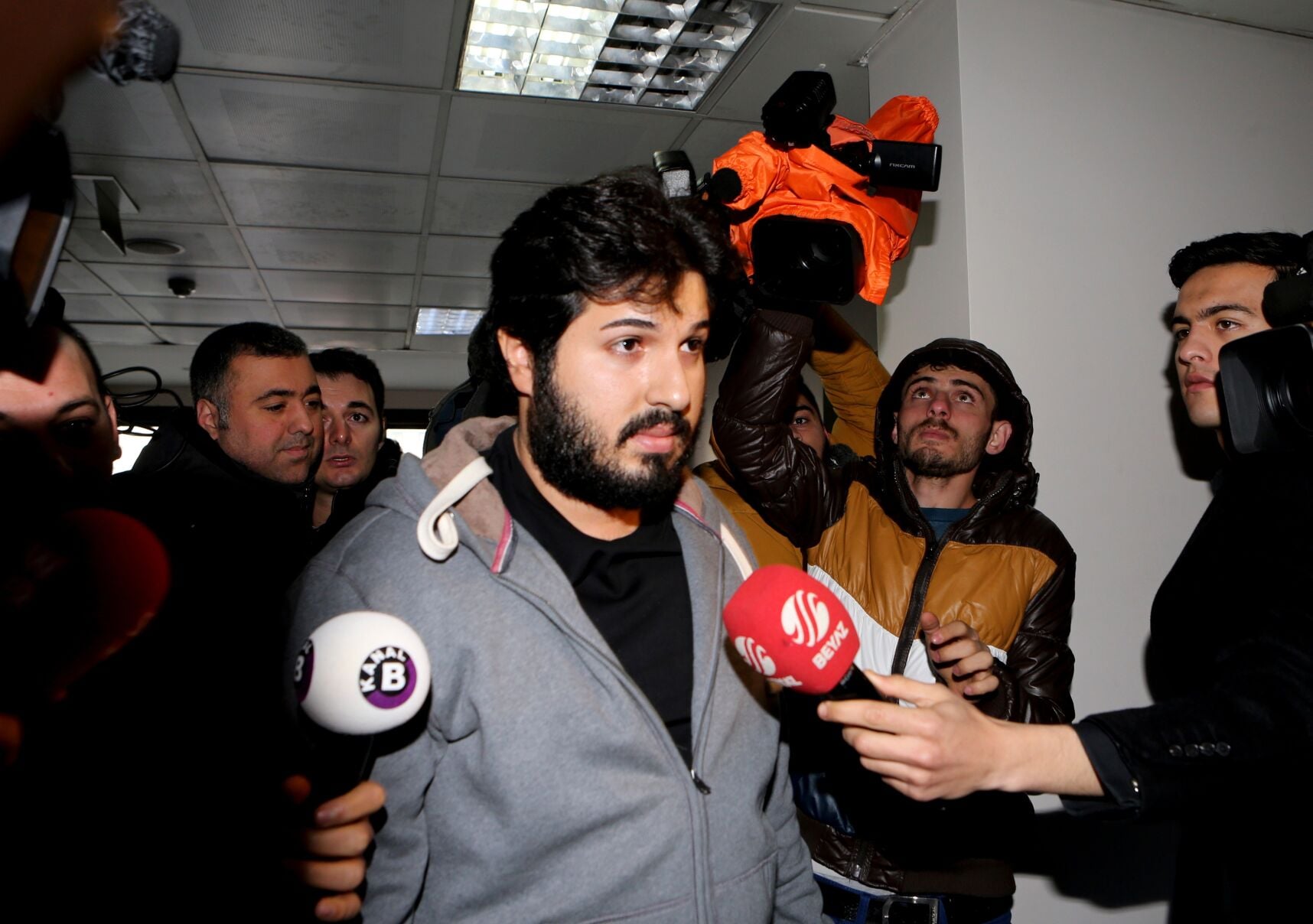
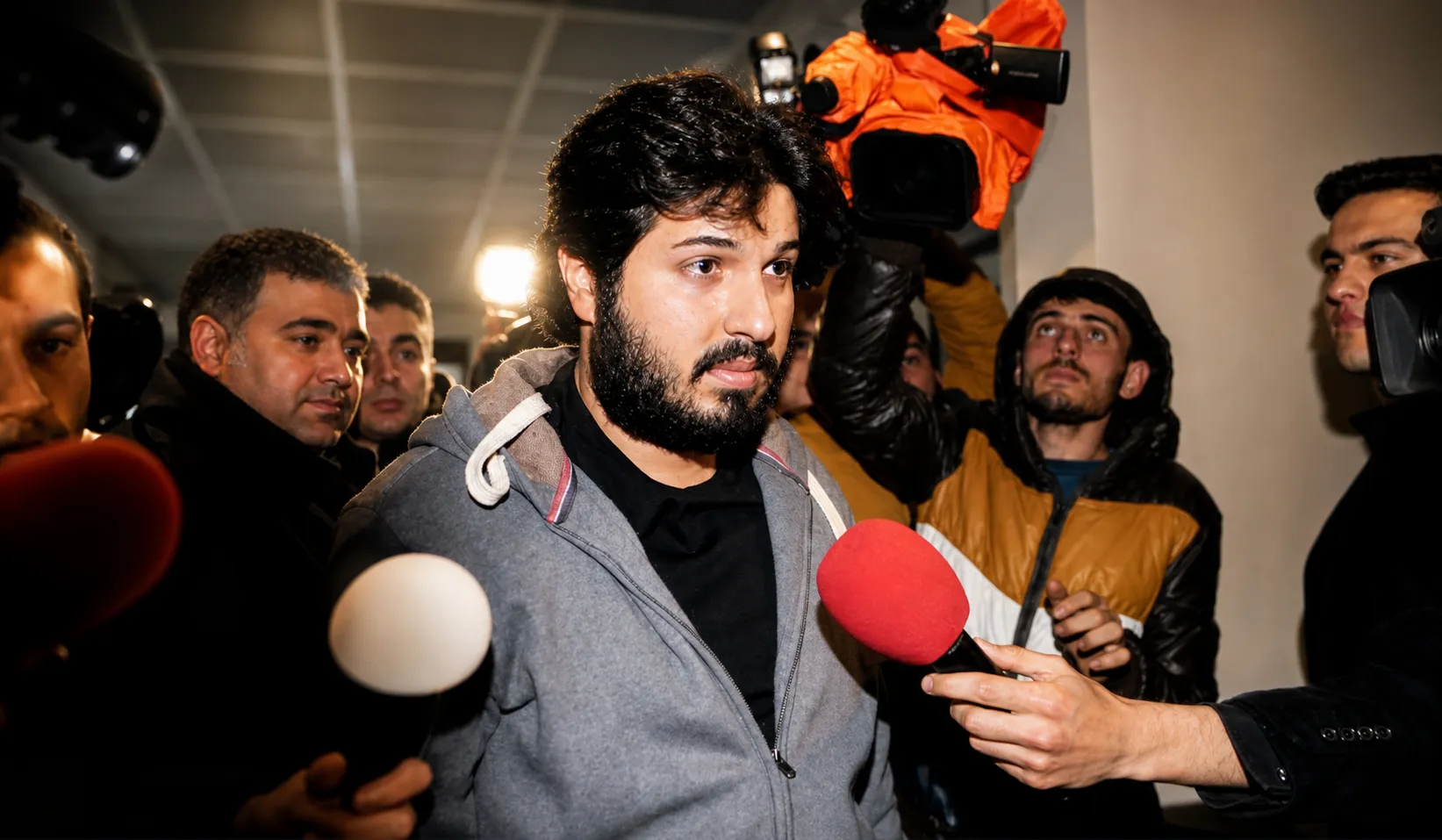
In a sentencing memorandum filed Monday with a federal judge in New York, prosecutors credited international gold trader Reza Zarrab with providing substantial assistance to the government. Zarrab revealed that he had paid millions of dollars in bribes to Turkish government and banking officials and delivered crucial testimony during the December 2017 trial of Turkish banker Mehmet Hakan Atilla, a former deputy chief executive at state-controlled Halkbank.
Zarrab’s cooperation was instrumental in securing Atilla’s conviction on charges related to a massive scheme to help Iran evade American economic sanctions. The trial exposed an elaborate network for routing billions of dollars in Iranian oil revenues through the U.S. Financial system and Turkish banking channels, transactions that were prohibited under federal law. Atilla received a sentence of over two years in prison following his conviction.
The case has proven deeply controversial in Turkey. President Recep Tayyip Erdogan called the verdict “scandalous” and has vigorously opposed the prosecution, viewing it as a political attack on his government. Zarrab’s testimony implicated not only Atilla but also former Turkish government officials and even suggested that Erdogan, while serving as prime minister, had authorized participation in the sanctions evasion scheme.
Prosecutors wrote in their Monday memorandum that Zarrab’s October 2017 guilty plea to conspiracy, bank fraud and money laundering charges, along with his subsequent cooperation, had been characterized as “truthful, complete and reliable” as well as “significant, useful and timely.” They also documented the personal risks Zarrab has faced as a result of his assistance.
During a week of testimony at the 2017 trial, Zarrab said he was attacked in prison by a knife-wielding fellow inmate who claimed he had been ordered to kill him for cooperating with U.S. Authorities. The inmate at the Metropolitan Detention Center in Brooklyn told Zarrab he would be killed because he was cooperating against “big people in Turkey.” That threat led to Zarrab being removed from prison and placed into FBI custody. Prosecutors referenced this danger in their sentencing recommendation, noting that Zarrab had suffered risks as a result of his help.
Additionally, prosecutors noted that the Turkish government has imposed broad freezes and seizures of Zarrab’s assets after he began cooperating with American authorities. This financial punishment adds to the cost he has borne for his cooperation.
The lengthy delay between Zarrab’s guilty plea and his sentencing next week is not unusual in complex prosecutions where a defendant’s testimony might be needed in multiple trials. Zarrab’s cooperation proved essential not only in the Atilla case but potentially in other related investigations.
Recent developments have altered the landscape of U.S.-Turkey relations regarding this case. Last month, Judge Richard M. Berman in Manhattan approved the dismissal of a criminal case the U.S. Government had brought against Halkbank itself. The decision to drop charges came as relations between Erdogan and President Donald Trump have warmed considerably. After meeting with Trump at a NATO summit in The Hague last year, Erdogan told reporters that the American president was quick to return his calls, signaling their close diplomatic ties. “With my friend Trump, we are opening the door to a new era in Turkish-American relations,” Erdogan said, noting he has been president of Turkey for 13 years.
Zarrab’s sentencing is scheduled for the coming week, with prosecutors’ recommendation for leniency based on his substantial cooperation with the government in this historically significant sanctions evasion case.