

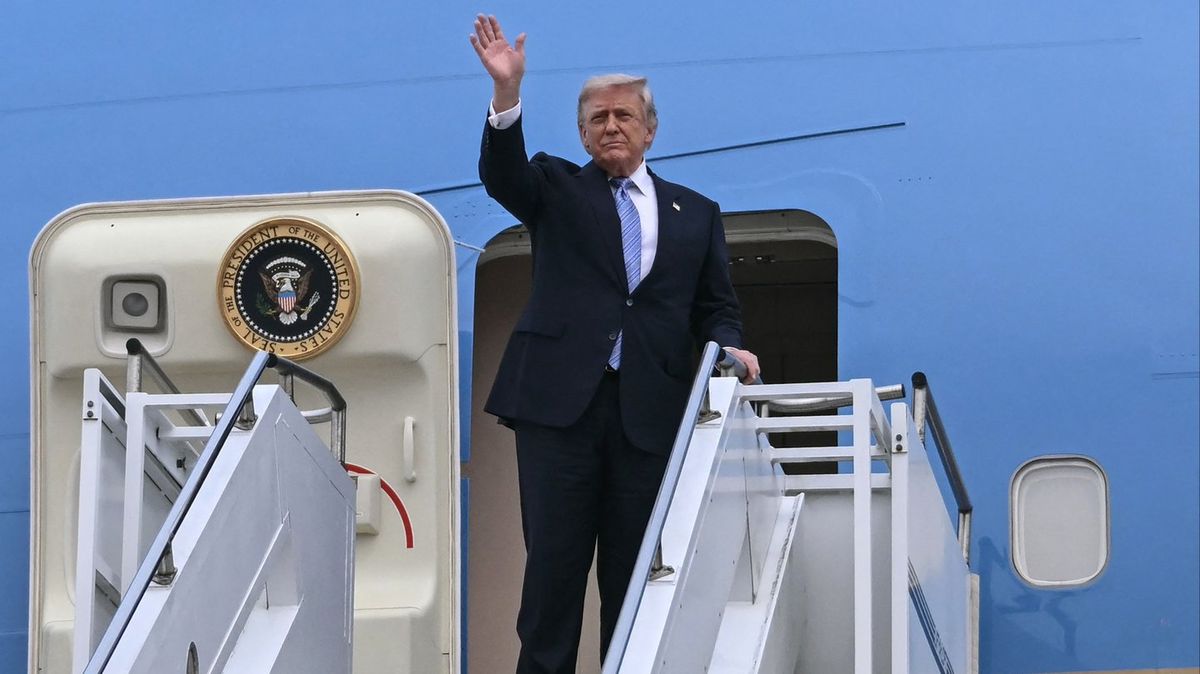
Senior voices in Greenland are increasingly uneasy that Donald Trump’s warnings about taking the territory by force could yet become reality, with some bracing for a possible military step within weeks.
New reporting has shed light on months of confidential discussions involving President Trump’s representatives, Danish officials, and Greenlandic leaders over the future of the world’s largest island, home to roughly 56,000 people—raising renewed anxiety that the US could still attempt to seize control.
Trump’s earlier talk of acquiring Greenland “the hard way” appeared to fade from the spotlight after the outbreak of the US-Israeli war against Iran, but details from behind-the-scenes meetings have now surfaced.
According to those accounts, proposals floated in the private talks have unsettled officials in Greenland as well as Denmark—an EU and NATO member that retains sovereignty over the island—fueling fears that Trump’s expansionist focus could shift toward them.
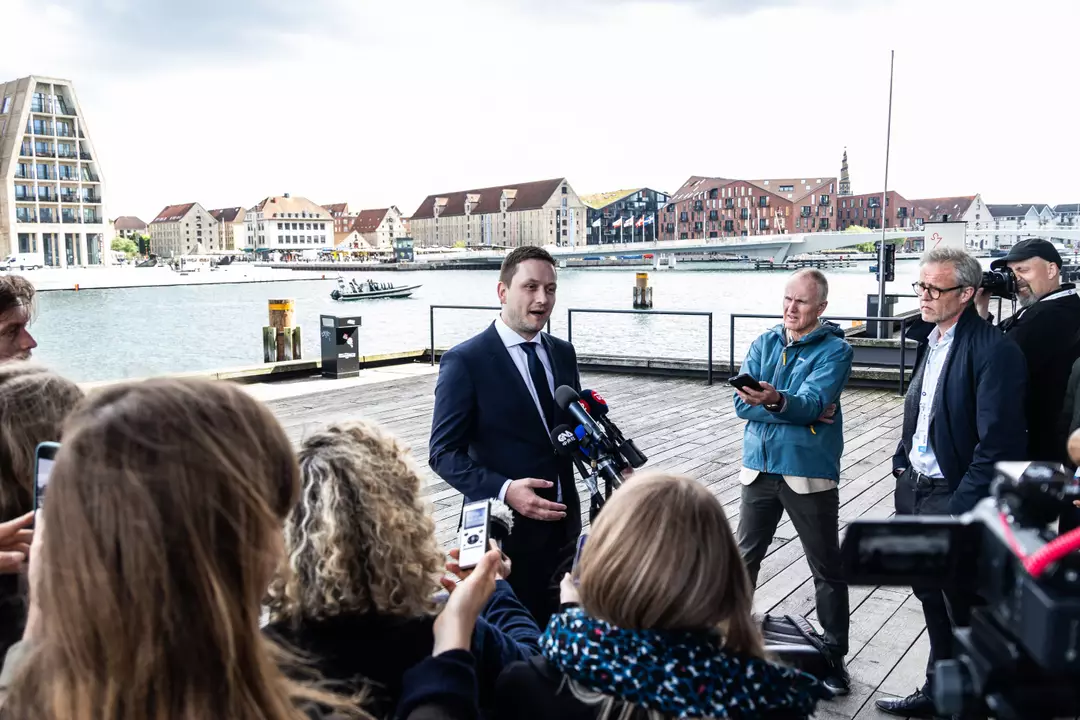
The reported terms came to light through the outlet investigation, which involved months of interviews with officials in the US and Europe about what Trump’s envoy has been seeking.
The investigation indicates Washington is pushing for more than a simple expansion of the US military footprint on the island—something already permitted under existing agreements—even after decades in which American planning has reduced Greenland operations from 17 bases to a single site.
Instead, negotiators are said to be pressing for a revised treaty that would allow US forces to remain in Greenland without an end date, effectively inserting a “forever” arrangement into the current framework. The proposal would also reportedly give the US lasting veto power over certain Chinese or Russian investment activity.
Beyond security, the talks are also described as focusing heavily on Greenland’s resource potential, with the administration reportedly seeking greater control over assets such as uranium, oil, and rare earth minerals.
For Greenlanders, the stakes are being framed as fundamental to sovereignty and the island’s long-term ability to govern itself, prompting sharp concern over what any agreement could lock in.
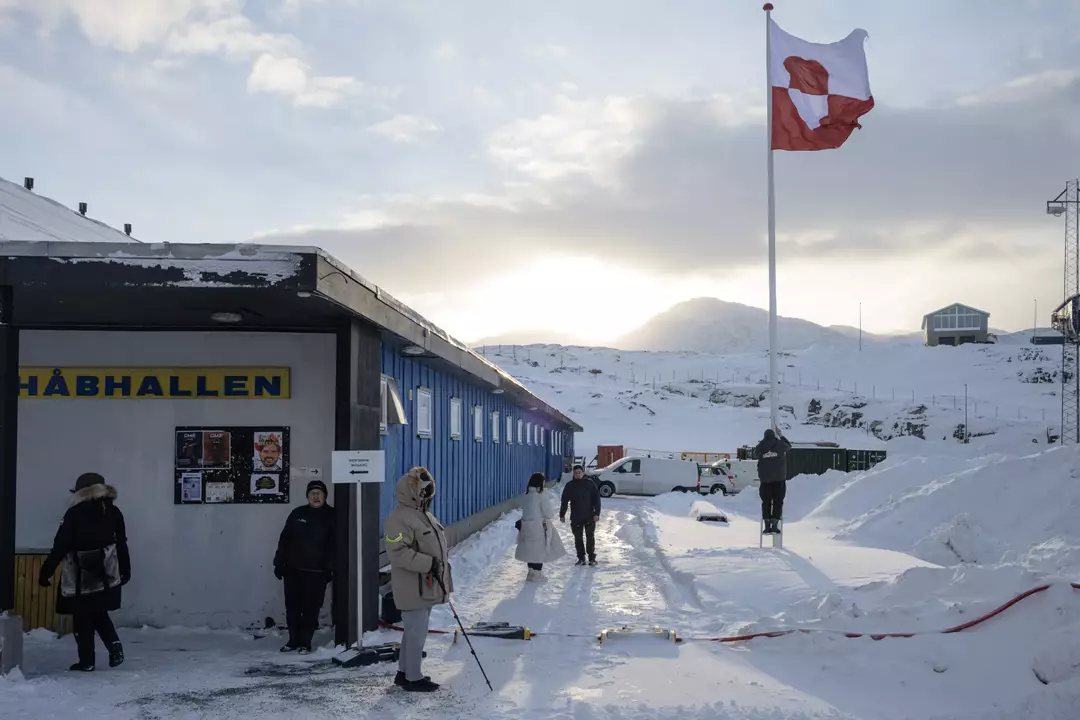
Justus Hansen, a member of Greenland’s parliament, warned that the terms being discussed could strip the island of any ‘real independence’, telling the Times that ‘we might as well raise our own flag halfway,’ if those conditions are imposed.
While Trump’s public messaging earlier in the year suggested force was on the table, the reporting says a direct military takeover has not been part of the negotiating agenda. Instead, US officials have reportedly been tasked with identifying a pathway to purchase the territory.
Greenland’s Prime Minister, Jens-Frederik Nielsen, has repeatedly rejected that premise, saying the country is ‘not for sale’, even as analysts argue some form of agreement could eventually emerge between the sparsely populated island and the US.
Since the rhetoric intensified early in the year, officials from Greenland, Denmark, and the US have held a limited number of in-person meetings, with discussions widely expected to converge on shared defence interests.
Those concerns centre largely on increased Russian and Chinese maritime activity in the strategically important North Atlantic corridor linking the US, Greenland, Iceland, and the UK—an area that could become a choke point for NATO.
Supporters of a broader defence arrangement argue that additional monitoring infrastructure could benefit all sides, but the confrontational tone has baffled some observers. Speaking to the BBC, one American advisor asked: “Why threaten an ally with a military operation or invasion when what you want is something that could be negotiated quite easily?”