

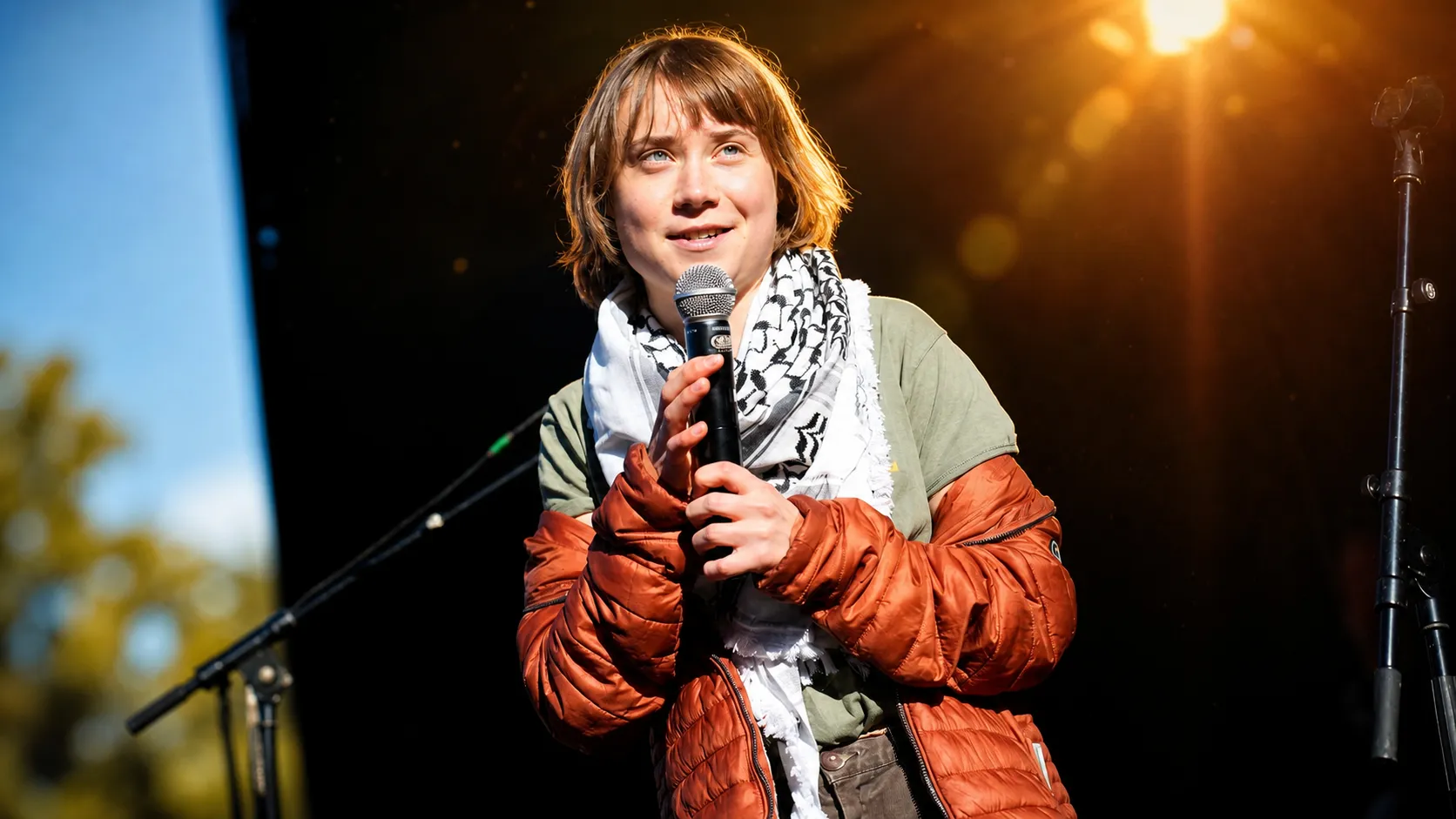
Greta Thunberg has delivered a stark warning as the UK faces an intense early-summer heatwave, with officials issuing rare red alerts that indicate a risk to life and forecasters warning that temperatures could push into the high 30s.
The 23-year-old climate campaigner first drew international attention at 15, when she began striking outside Sweden’s parliament on Fridays to demand stronger action on climate change.
Since then, her activism has helped inspire a global youth movement, bringing millions into climate demonstrations around the world.
With the UK bracing for what meteorologists have described as potentially record-breaking conditions, Thunberg said the situation should not come as a surprise.
The warning comes after the UK recorded its hottest May day ever this year, when temperatures reached 34.8°C at Kew Gardens in London on 25 May, before edging even higher the following day.
More recently, the Met Office said parts of the UK could see temperatures climb to 38C this week, with a chance of 40C being reached in the most extreme scenarios. The UK Health Security Agency also issued red heat-health alerts across England, a level that indicates a severe heatwave with potential impacts beyond health and social care and a risk to life even for healthy people.
Network Rail has urged passengers to travel only if ‘absolutely necessary’ as the heat threatens to disrupt journeys.
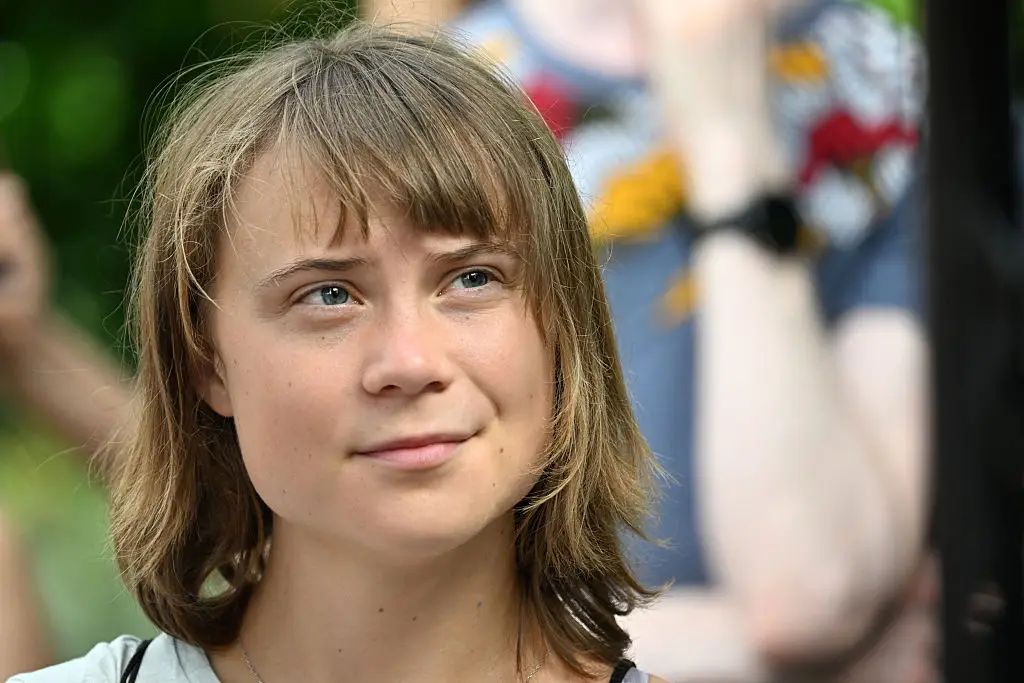
Thousands of schools have also opted to shut their doors because of what has been described as dangerous heat.
Speaking to the Metro, Thunberg said:
“This is what experts have been warning about for decades.
“We know that the climate crisis is here and now, and not a faraway threat in the future, and those suffering the most are the ones who have contributed the least to cause it.”
She then added:
“And this is unfortunately only the beginning.”
She continued:
“The UK’s responsibility for the climate crisis cannot be overstated, still its leaders continue acting as if there was no tomorrow,”
Thunberg is not the only figure raising concerns over the current conditions.
Emma Pinchbeck, chief executive of the Climate Change Committee, said the June 2026 heatwave reflects the kind of extreme weather global warming is making more common and more severe.
Speaking to The Independent, she said:
“In 2050, we’re saying that temperatures of 40C will become, if not a typical summer, certainly a frequent occurrence.
“This will not be unusual, remarkable, once-in-a-decade stuff. This will happen fairly regularly, if not every year.”
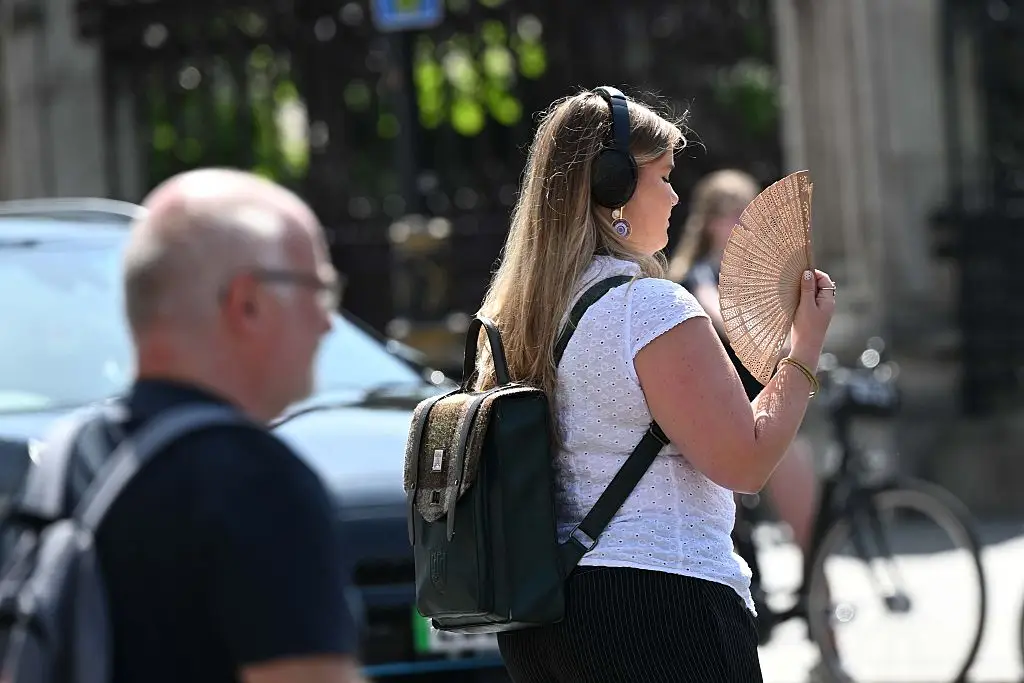
Most people already know the standard advice for coping in very hot weather: avoid direct sun between 11am and 3pm, drink plenty of fluids, wear loose and light clothes, take cool showers and avoid strenuous exercise. But there are also a few lesser-known ways to stay more comfortable during a heatwave.
Sleeping can become especially difficult when temperatures stay high overnight, which is why many people rely on a fan. But using one incorrectly may have downsides for your health.
Dr Anis Khalaf has shared a better approach.
“The key is to not have any of the wind blowing on you,” he said. “So try facing it away from your body, and the air will still circulate around the room.”
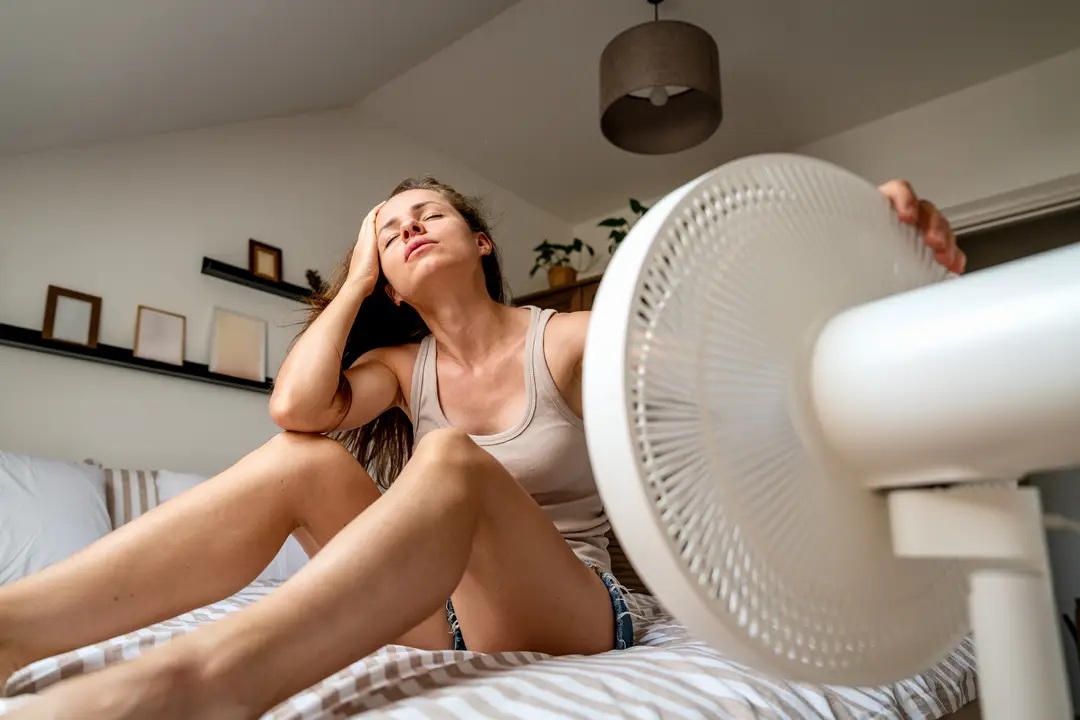
It is also worth remembering that electric fans are generally most effective only when temperatures remain below 35 degrees.
Dr Natasha Fernando has also suggested that milk can provide strong hydration because of its mix of sugars, proteins and fats.
She said:
“Milk also contains sodium which allows your body to hold onto water for longer, aiding hydration levels.”
Another tip focuses on sleep, with one method claiming to cool the body while making it easier to drift off.
Psychiatrist Alex Dimitriu, MD, told VeryWellMind:
“The Egyptian sleep method involves sleeping under a damp sheet, which cools off from evaporation.”
If trying that approach, the sheet should be damp rather than soaking wet, and the room should still have good airflow.
Keeping windows open during the hottest part of the day may seem helpful, but it can actually let more warm air indoors. Because many UK homes are built to retain heat, that can make indoor conditions even worse.
Instead, it is better to wait until the evening, when the temperature begins to fall, before opening windows and letting cooler air move through the house. Closing blinds and curtains during the day can help too.