

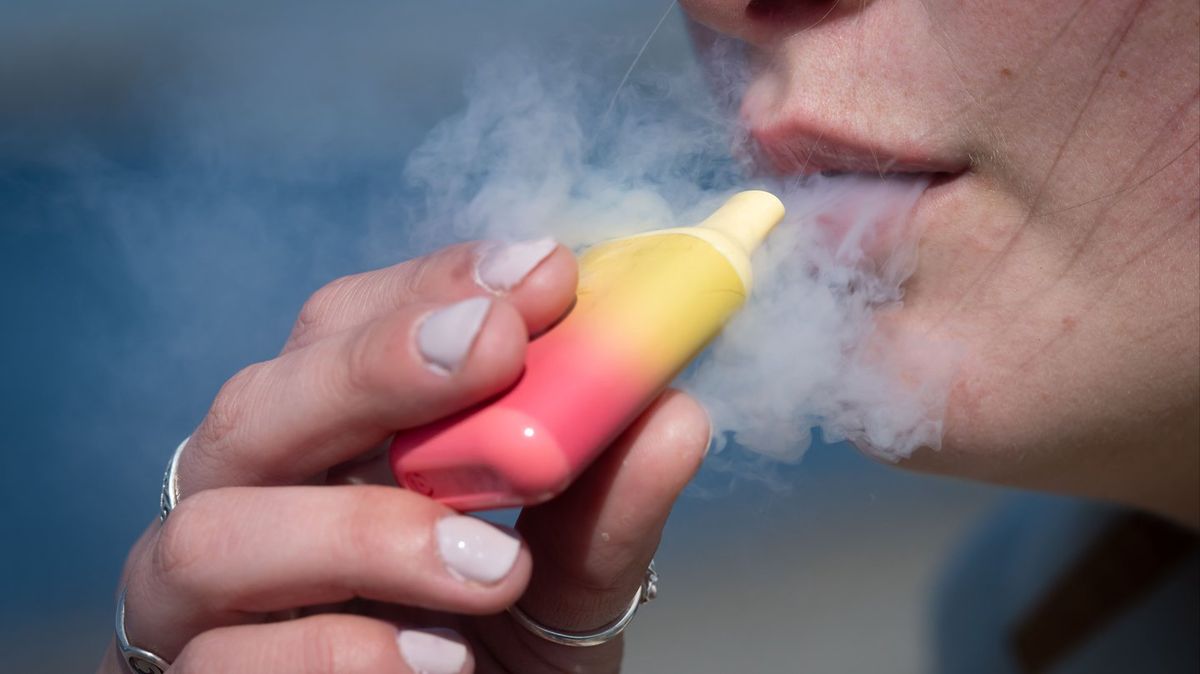
New research suggests vaping may be linked to an increased cancer risk.
Over the past ten years, vaping has become a common way for people to consume nicotine.
Rechargeable and disposable vapes are frequently promoted as tools to help people stop smoking. But amid ongoing concerns about their health effects, a new study indicates e-cigarettes may carry a significant cancer-related risk.
Researchers at the University of New South Wales in Sydney carried out an in-depth review of studies on the harms of nicotine-based e-cigarettes published between 2017 and 2025.
According to the team, vaping is not harmless and may be capable of altering a user’s DNA, which could raise the likelihood of cellular changes associated with cancer.
The review also points to evidence that vaping can harm tissues in the respiratory tract, potentially increasing the risk of lung cancer.

Beyond the lungs, the study notes vaping may disrupt the oral microbiome, which can increase inflammation and potentially elevate oral cancer risk.
The researchers also highlighted the added danger for people who both smoke and vape—reported to include around half of smokers—who are said to be four times more likely to develop lung cancer.
“The research shows vaping is not an alternative to smoking or illicit drugs. It is not an alternative to anything in the context of being safer,” said Professor Bernard Stewart, who led the study.
“It’s dangerous, and that’s the message.”
Co-author Professor Freddy Sitas said e-cigarettes should not be treated as a straightforward substitute for smoking, particularly without measures to prevent people from using both products at the same time.
“It took about 100 years for the evidence to be conclusive enough to say that smoking causes lung cancer, and the history of events evolved over time as people became more and more exposed to tobacco,” he said. “And we are seeing a similar evolution with e-cigarettes.”

He added that efforts to help people quit vaping should start sooner rather than later.
“‘There is a window of opportunity now to be able to discern these effects and now is the time to be proactive rather than reactive,” he said.
Smoking remains the leading cause of Chronic Obstructive Pulmonary Disease (COPD), a progressive lung condition affecting around 1.7 million people in the UK and linked to 30,000 deaths each year.
While vapes don’t contain tar or carbon monoxide, the study points out they can still expose users to other chemicals, including formaldehyde. These substances may trigger inflammation, contribute to oxidative stress, and lead to DNA changes—factors that have been associated with higher cancer risk.
If you’ve been affected by any of these issues and want to speak to someone in confidence, contact the American Cancer Society on 1-800-227-2345 or via their live chat feature, available 24/7 every day of the year.