


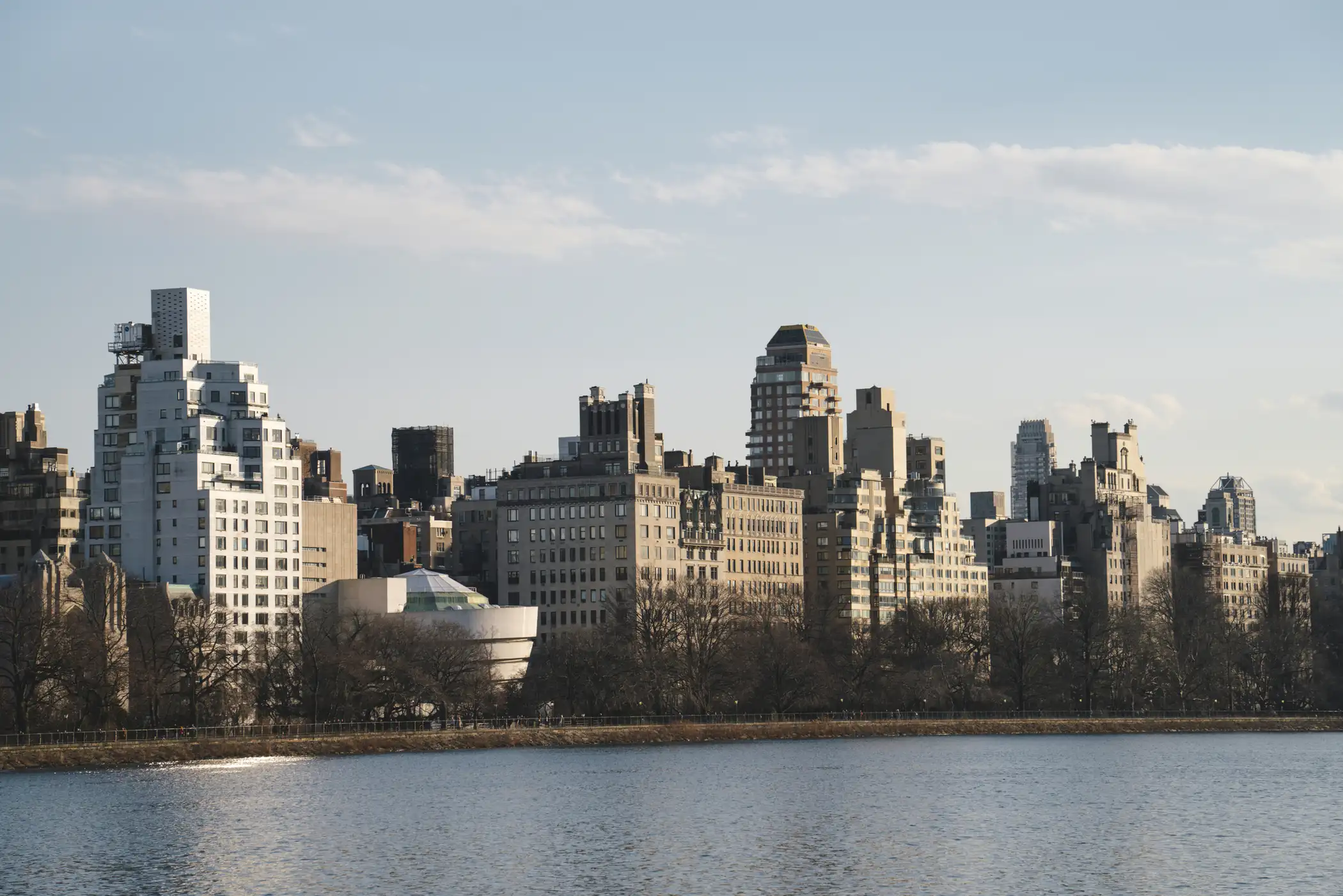
New York City’s iconic Guggenheim Museum is among 31 buildings on the Upper East Side whose cooling towers have tested positive for Legionella bacteria, the agent that causes Legionnaires’ disease, city health officials announced Friday as an outbreak continues to sicken residents across Manhattan’s wealthiest neighborhoods.
The Guggenheim, located at 1071 Fifth Avenue and designed by renowned architect Frank Lloyd Wright as a UNESCO World Heritage site, has already completed remediation of its cooling tower, according to the city’s Health Department. Nineteen of the 31 affected buildings had finished cleaning and disinfecting their systems by the time the list was released Friday evening, while the remaining twelve were ordered to complete the work by Saturday.
The outbreak has sickened more than 50 people across the Upper East Side neighborhoods of Carnegie Hill and Yorkville since city health officials first identified two cases on July 2. As of mid-July, 46 people had tested positive for the disease, with 22 hospitalized. No deaths have been reported. The cases are concentrated in three ZIP codes: 10028, 10128, and 10075.
Health officials have tested 183 cooling towers in the affected area since the outbreak was identified. Among the prominent addresses that tested positive are Asphalt Green’s Upper East Side athletic facility, a Whole Foods Market, the Trevor Day School, and numerous high-end residential buildings. Officials cautioned that the preliminary PCR screening results do not confirm that any of these buildings is the source of the outbreak, as the tests cannot distinguish between live and dead bacteria. More testing could identify additional positive results in coming days.
Legionnaires’ disease is a serious form of pneumonia caused by inhaling small water droplets containing Legionella bacteria. The disease is not contagious between people. Symptoms typically develop between two and fourteen days after exposure and include fever, chills, muscle aches, cough, shortness of breath, and fatigue. Those at higher risk include people over 50, smokers, and those with chronic lung conditions or weakened immune systems. When diagnosed early, the disease can be effectively treated with antibiotics.
A statement from Guggenheim Museum spokesperson Allegra Thoresen said the institution “continues to follow all New York City cooling tower requirements and regulations using third party expert companies, as we always do” and took immediate steps for remediation after receiving test results. The museum remained open throughout the testing and remediation process, with health officials confirming there is no additional risk to employees or visitors.
The outbreak coincided with an unprecedented heat wave that brought heat index values of 110 to 115 degrees to New York City. Warm water provides ideal conditions for Legionella bacteria to thrive in cooling tower systems. Cooling towers are part of large buildings’ air conditioning and refrigeration systems, and when they release mist into the air, that mist can disperse into open air and expose people beyond a single building.
Health Department officials emphasized that the outbreak is not related to any issues with building plumbing or indoor air conditioning units. Residents in the affected areas can safely drink tap water, shower, cook, and use home air conditioning systems. Masks are not recommended as protection against Legionella exposure since the disease is not spread person-to-person.
City health officials said the cluster of cases is likely linked to a cooling tower or towers emitting mist containing Legionella bacteria. Health Commissioner Dr. Alister Martin said remediating the towers that tested positive should help resolve the outbreak, though he expects some additional cases to be identified in coming days as symptoms can take up to two weeks to develop after exposure.
The current outbreak marks the latest public health challenge for New York City regarding Legionnaires’ disease. Seven people died and more than 100 were sickened during a major outbreak in Central Harlem last year, which was eventually traced to cooling towers atop Harlem Hospital and a nearby construction site. That outbreak prompted increased scrutiny of the city’s cooling tower inspection and testing procedures, and new regulations requiring testing every 31 days, down from every 90 days.
The city has asked anyone who lives, works, or has visited the affected neighborhoods since late June to contact a healthcare provider immediately if they experience flu-like symptoms including fever, cough, difficulty breathing, or muscle aches. Health officials continue conducting thorough investigation to identify which specific cooling tower or towers are harboring live Legionella bacteria causing the illness.