

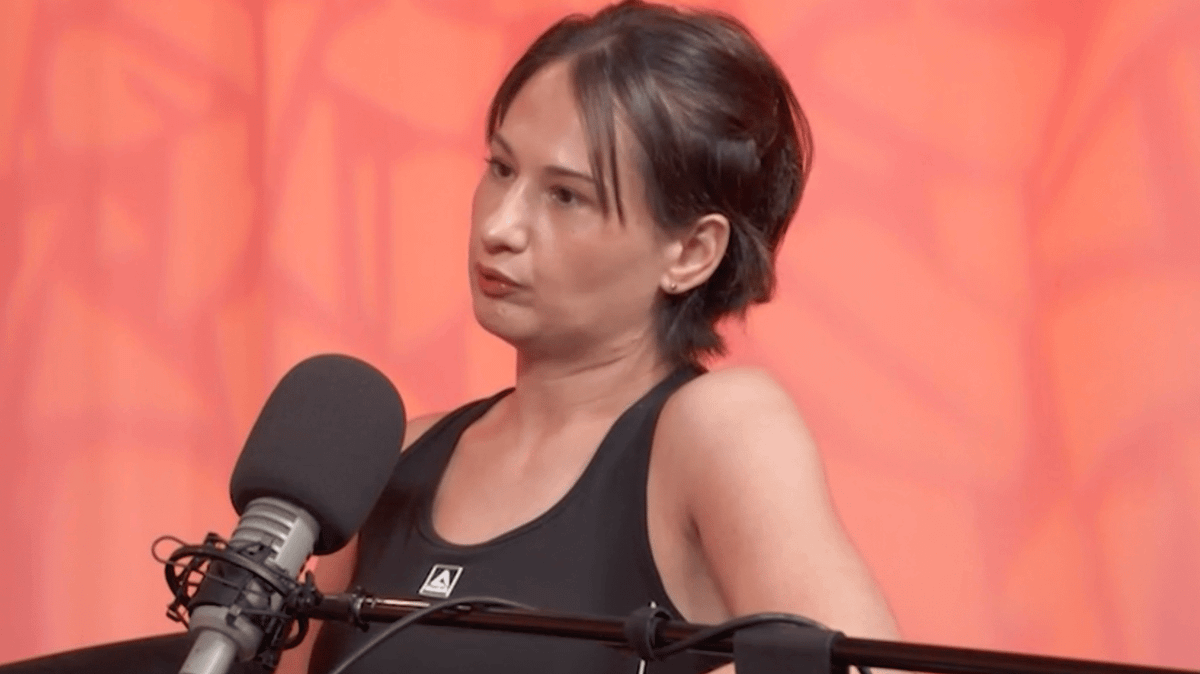
Gypsy Rose Blanchard has shared her thoughts on one of Netflix’s most-discussed true crime releases, and she’s skeptical that Mackenzie Shirilla will be leaving prison anytime soon.
Blanchard, 33, who became a widely known figure in the true crime world after serving time in connection with the killing of her mother, Dee Dee Blanchard, spoke with TMZ about Netflix’s The Crash and the renewed attention surrounding Shirilla’s conviction.
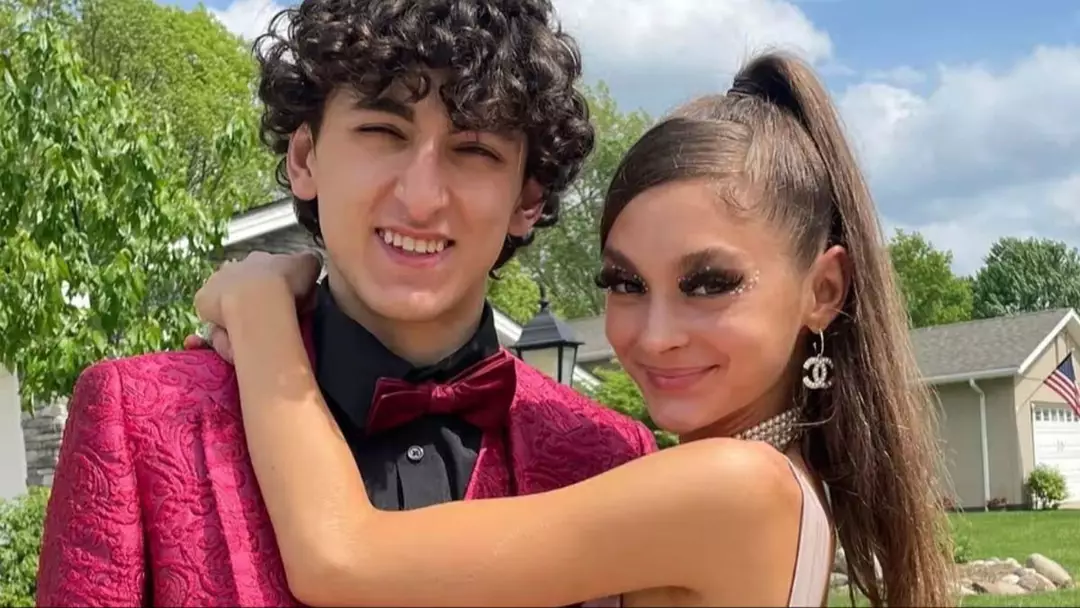
Shirilla was sentenced in 2023 after being found guilty of murdering her boyfriend, Dominic Russo, and their friend, Davion Flanagan, during a high-speed collision in Ohio.
Prosecutors alleged she deliberately drove into a brick building at 100mph after an argument with Russo.
“hell on wheels.”
Since Netflix released The Crash, online discussion has surged, with viewers split on whether Shirilla should be viewed with compassion or whether the documentary framed her too sympathetically.
Blanchard, however, suggested the film may have done more harm than good for Shirilla’s chances down the line.

“I watched all the documentaries that’s currently out,” Gypsy said during the interview.
“Although I watch these documentaries, I’m not a true crime junkie. Some people might think I am, but I’m not. But it did seem interesting, so I did watch it.”
When asked if she thinks the Supreme Court could potentially overturn Shirilla’s conviction, Blanchard said she doesn’t see that happening.
“No, I don’t,” she said.
“After watching the documentary, I don’t think the documentary did her any favors.”
Blanchard, who spent years incarcerated before being released on parole in 2023, explained why she believes Shirilla’s route to release would be steep, even though she is technically eligible for parole after 15 years.
“She’s gonna have to do a lot of extensive therapy,” Gypsy explained.
“She’s young, and it’s not gonna sink in until maybe 20 years from now.”
She also pointed to how heavily parole decisions can be influenced by the families of those who died.
“If the victim’s family writes against her parole, she will automatically be denied,” she claimed.
“I’ve seen it happen time and time again.”
“The time that she’s in prison right now, she needs to grow up and take accountability.”

In Blanchard’s view, remorse may be something Shirilla hasn’t fully processed yet, but she believes the weight of it could come later.
“It’s going to hit her like a train,” she said.
“And when that happens, she needs to take those steps to do what she needs to, to make amends with the victim’s family.”
She added that any forgiveness would ultimately be the victims’ families’ decision.
“They don’t have to forgive her by any means,” she added.
The discussion also moved to a broader issue: the backlash that can arise when convicted criminals build large online followings or attempt to profit from the attention their cases receive.
Blanchard—who gained a major public platform after her release—said the subject isn’t straightforward, but she drew a clear line when it comes to Shirilla.
“complicated,”
“I feel like Mackenzie specifically should not benefit from social media or any other kind of avenue,” she explained.
She contrasted that with cases involving people who committed crimes in contexts such as domestic violence or self-defence, arguing they may still deserve the ability to speak publicly about what happened.
But she said she doesn’t believe Shirilla’s case fits that category.
“There’s no abuse. There’s no sympathetic story behind it,” she said.
“In her case specifically, no, I don’t think that she should monetize. No, I don’t think she should be an influencer on social media.”
Blanchard’s remarks have fueled debate, particularly as many viewers have noted parallels in the public obsession surrounding both women’s stories.
Just as Blanchard’s case led to documentaries, dramatized retellings, and years of viral discussion after Dee Dee Blanchard’s death in 2015, Shirilla’s conviction is now drawing a comparable level of online attention after Netflix’s documentary spotlight.
And judging by the ongoing response, audiences remain divided about where true crime coverage ends—and where turning convicted killers into celebrities begins.