


—
A Supreme Court decision allowing the Trump administration to end Temporary Protected Status for hundreds of thousands of Haitians is creating a crisis in America’s fragile caregiving system, threatening to leave elderly and disabled people without the workers who support their daily lives.
The court ruling in June cleared the way for TPS protections to expire, leaving around 330,000 Haitians legally living in the United States vulnerable to deportation. An estimated 21,000 of those workers hold essential positions as nursing assistants, home health aides and caregivers. Some of them have served the same elderly clients for a decade or more, and facilities nationwide are scrambling to find replacements as the workforce begins to disappear.
For 91-year-old Solange French in New York, the loss is immediate and disorienting. For the past several years, her home health aide Martha Nelson has arrived each morning to prepare her eggs for breakfast, arrive with lunch, help her shower and accompany her to doctor’s appointments. That relationship is about to end. With the Supreme Court sanctioning the crackdown, Nelson’s permission to remain in the country appears likely to be revoked within days, leaving French worried about who will help her manage the basic needs of daily life.
In Florida, 87-year-old Anna Fischbein, a Holocaust survivor, lost a health aide of 10 years after Jewish Community Services of South Florida was forced to terminate her along with 17 other Haitian workers whose TPS status lapsed. “I lost not only a lady working for me,” Fischbein said, her voice broken by tears. “I lost a friend.” The organization made the difficult decision to let them go after their work authorization expired on July 29.
The human impact extends far beyond individual stories. Haitian immigrants are heavily concentrated in elder care, home health and nursing home work, with particularly high numbers in South Florida, Massachusetts and New York. Among home health aides, one-third are immigrants, and Haitian TPS holders represent about 15 percent of all noncitizen healthcare workers. The loss of these workers strikes at a moment when the care industry is already operating well below capacity.
Nearly half of U.S. Nursing homes report limiting admissions because of staffing shortages, and only 19 percent meet the minimum staffing levels mandated by federal regulators. The long-term care sector faces a shortage of 350,000 positions nationwide, even before the Haitian TPS losses take effect. With America’s 65-and-older population projected to jump from 58 million to 82 million by 2050—a 42 percent increase—the demand for caregivers will only intensify.
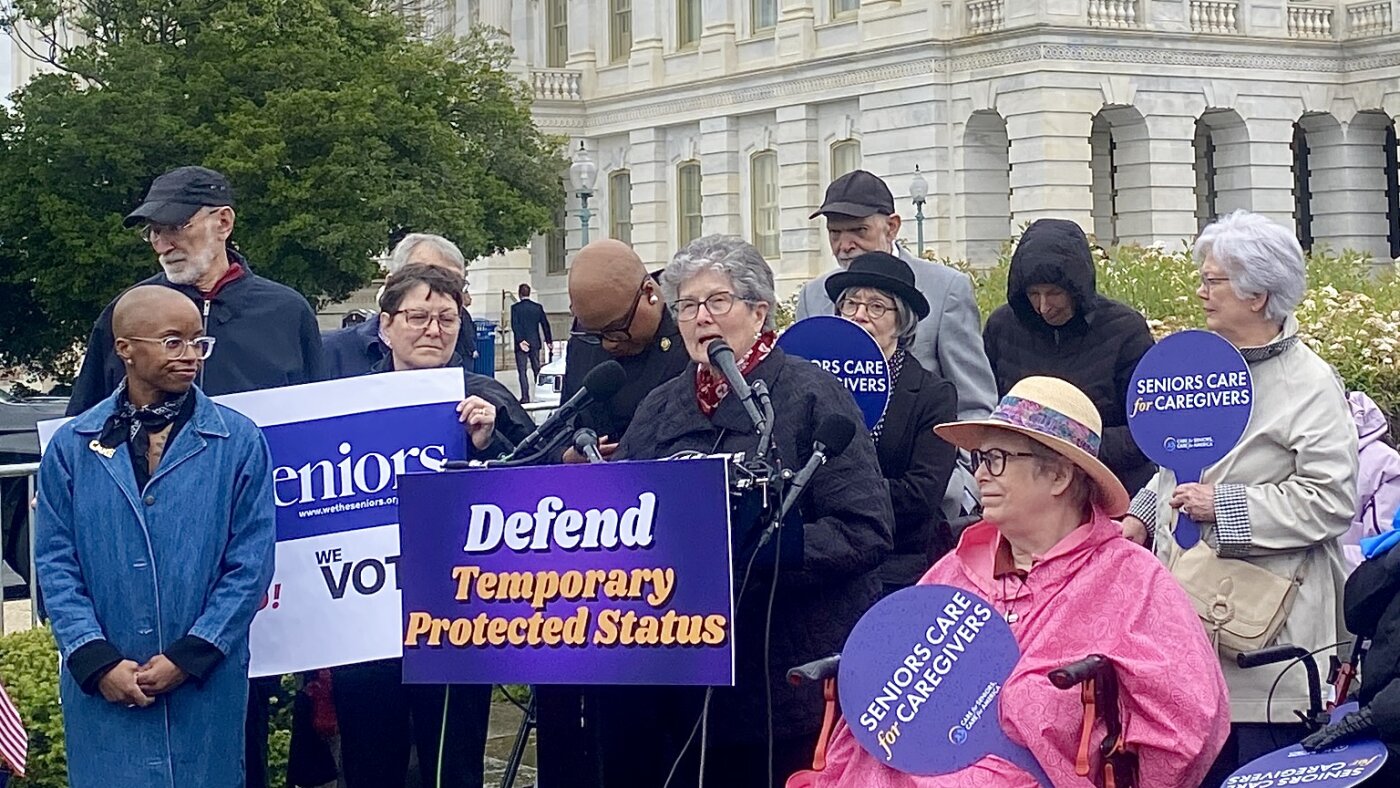
Some care facilities have already begun laying off Haitian workers whose work authorization expired on July 10. In Massachusetts, about 1,500 workers are affected in nursing care facilities alone. Road to Responsibility, an organization serving adults with developmental disabilities and brain injuries, was forced to lay off 17 people. The organization had already lost more than 100 others through previous immigration policy changes. Fifteen employees at Cambridge Health Alliance were also terminated. Other providers placed workers on unpaid administrative leave, uncertain whether they can remain.
Care executives are bracing for operational disaster. The organization The Arc Rockland in Nanuet, New York, stands to lose 19 caregivers with TPS, compounding losses from immigration changes in the prior year. Miriam Singer, CEO of Jewish Community Services of South Florida, described the process as devastating. “They are devastated and without a path forward for caring for themselves and their families,” she said.
The crisis presents care providers with agonizing choices. LeadingAge, representing aging services providers, said facilities may need to limit community admissions, close units or turn away requests for home care until they can fill vacant positions. Some industry leaders predict the workforce losses will create what one academic called “a disaster,” particularly in regions like Boston where nursing home and home care aides are heavily Haitian.
Replacing experienced Haitian workers poses unique challenges. Many hold hard-to-fill positions as certified nursing assistants and know their clients’ specific needs—which residents need help getting out of bed, who prefers food prepared a certain way, who might be showing early signs of a health emergency. Building that knowledge takes time, and wages in the caregiving field are largely set by Medicaid and Medicare, leaving employers with little ability to raise pay to attract new workers.

Beyond those already struggling to find care, the disruption threatens to destabilize an entire system already pressed to its limits. Healthcare experts warn that deporting Haitian TPS recipients will have a catastrophic impact on the nationwide healthcare workforce crisis. Some providers say they have already had to close beds and units because they cannot staff them.
The timing is particularly cruel. The ruling arrived just as staffing levels at nursing and residential care facilities were beginning to recover from the pandemic. Now, the gains made over the past year threaten to unravel. Congress passed a bill extending TPS for Haitians for three years, but it remains in the Senate, with uncertainty about whether it will pass before more Haitians lose their legal status.
For seniors and disabled people depending on these workers, the consequences are not abstract. The departure of consistent, trusted caregivers disrupts continuity of care, creates emotional upheaval and forces families into crisis mode to find replacements. For the caregivers themselves, many of whom have built lives in the United States and sent money home to family in Haiti, the loss of legal work status means potential deportation to a country the State Department warns Americans not to visit due to gang violence, kidnapping and instability.
Human services organizations serving some of the nation’s most vulnerable populations—the elderly, disabled and children—report their staff experiencing heightened stress, fear and anxiety. This is what the caregiving crisis looks like at ground level: elderly people losing the hands that bathe them, the voices that comfort them, the routines that sustain them. And a healthcare system already fractured by workforce shortages about to lose thousands of irreplaceable workers at the exact moment older America needs them most.