


A niche online scene is gaining traction where some men use mild electrical stimulation for sexual pleasure, and many claim the orgasms feel completely different from anything they’ve had before.
On Reddit and dedicated message boards, people trade advice, review gear, and share accounts of hands-free climaxes—often saying it makes standard masturbation seem less satisfying afterward.
One subreddit focused on the practice has grown to more than 16,000 members, with fresh posts from newcomers showing up regularly as they try to understand the appeal.
For some, the intensity becomes the main draw; for others, it’s simply another avenue for experimenting with sensation and control.
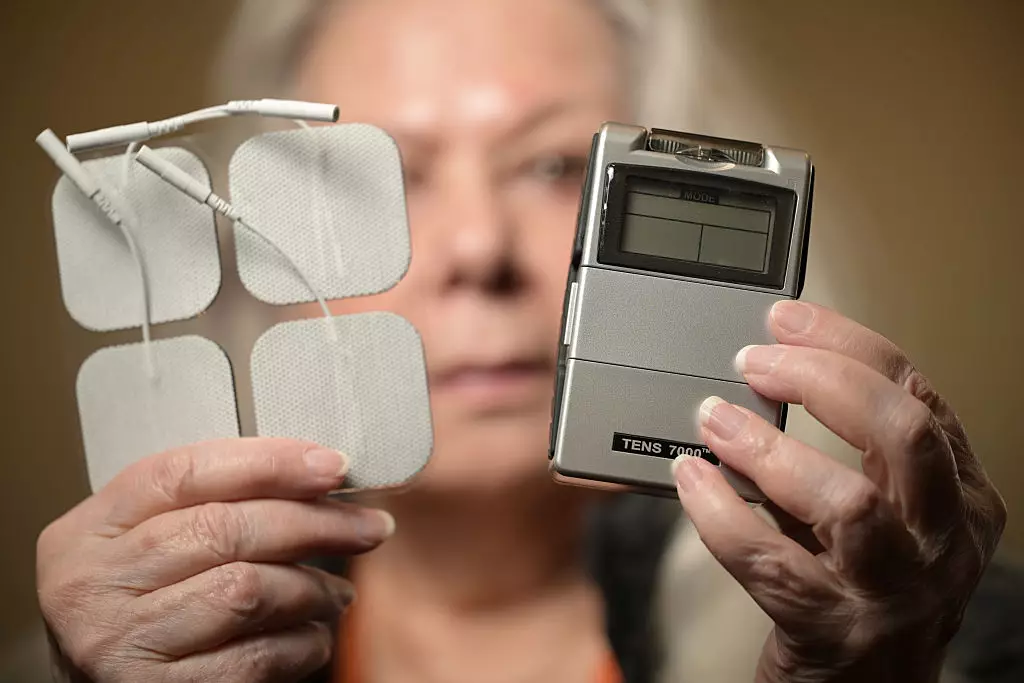
The practice is known as e-stim—short for electrostimulation—and is sometimes referred to as electrosex. It involves sending low-voltage electrical currents to areas like the penis and testicles with the goal of producing pleasurable stimulation.
While it might sound like a new fad, sexologist Becky Crepsley-Fox told Metro that electric play has existed in different forms since the 1800s. She pointed to devices like the violet wand—an early-1900s tool that produced sparking contact on skin—and the TENS machine, which became popular in the 1980s for muscle and pain relief.
By the 2000s, manufacturers had begun selling devices specifically designed for erotic electrostimulation.
A common setup includes a shaft ring (similar to a cock ring) that delivers pulses along the penis, linked to a controller that allows careful adjustment of strength and pattern.
Some users also place adhesive pads on the testicles, and there are insertable options made for anal or vaginal use as well.
Crepsley-Fox says the pleasurable effect is often tied to increased sensitivity and improved blood flow caused by the electrical pulses.
“For people with penises, increased engorgement can create a sensation of greater firmness,” she explains.
“The testicles are particularly responsive, the skin is thin, nerve endings are densely packed, and many people find even low-level current there produces an intense sensation.”
It’s also frequently discussed as a way to reach orgasm without using hands.

But the risks are real, and Crepsley-Fox stresses that certain people shouldn’t attempt e-stim at all.
“Placing pads too high on the body can cause cardiac disruption,” she warns.
She notes that anyone with heart problems, epilepsy, or a pacemaker should avoid it. The U.S. Centers for Disease Control and Prevention (CDC) and the American Heart Association (AHA) advise keeping at least a 6 -inch distance between your device and electronics and steering clear of high-voltage equipment. They also caution that electrical currents near the head or neck can trigger seizures, and that pulses may interfere with pacemaker function.
Other reported dangers include painful muscle contractions, potential nerve injury, and burns from electrical contact.
In the e-stim subreddit, some users also mention temporary genital numbness that can last up to 24 hours—something they often associate with turning intensity up too quickly instead of increasing gradually from a low setting.
Another commonly raised issue is desensitisation. Some people say that after using e-stim regularly, more typical masturbation starts to feel disappointing in comparison.
“The normal way used to be get in the mood… and the finish would be great,” wrote one. “Now, when I do it the normal way on my own it just feels a bit underwhelming.”
Sexologists say this kind of shift can happen because the body adapts to the type of stimulation it receives most often, and that sensitivity can return if someone takes a break from e-stim for long enough.
For those set on trying it, Crepsley-Fox advises starting at the lowest setting and increasing slowly, using only equipment made specifically for e-stim (not homemade devices), and keeping all contact strictly below the waist—well away from the chest and heart.
She also suggests a first session with a partner present, so someone can respond quickly if anything goes wrong. Given the possible complications, that added caution could matter.