

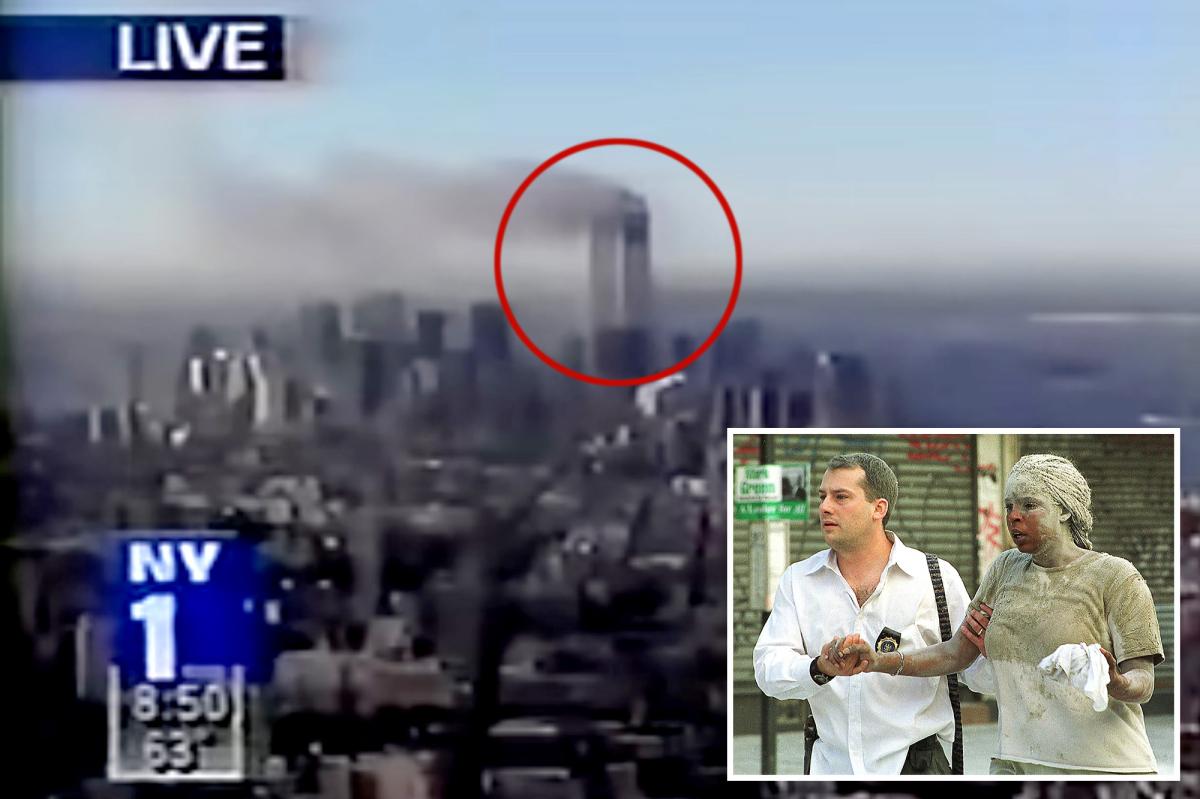
Patrick Kiernan’s live NY1 broadcast from Sept. 11, 2001 has surfaced again, capturing the exact moment a routine morning newscast turned into a real-time chronicle of national tragedy.
The footage, which spread widely on X this week ahead of the attack’s 25th anniversary, shows Kiernan, then NY1’s morning anchor, guiding viewers through the unfolding horror with measured calm. Daniel McFadin, a reporter for Arkansas Democrat-Gazette, posted the clip Wednesday on the platform. “Somebody, somewhere in NYC for whatever reason recorded the New York 1 morning news broadcast on Sept. 11, 2001,” he wrote on X. “They wound up recording history. It starts at 8:30 a.m. ET. You get 15 minutes of news from the Before Times. Then the world changes.”
Those fifteen minutes of ordinary Tuesday programming now carry an almost surreal quality. Kiernan opened with his regular “In the Papers” segment, flashing the outlet headline about local primary elections and pointing to a New York Daily News story on Whitney Houston cancelling a concert, reportedly due to drug problems. He even highlighted the outlet science piece on dental implants. “That’s what’s in the papers this Tuesday,” he said, the phrase now preserved as the last innocent moment before everything shifted.
The pivot came without warning. “This is a live picture from our camera on the Empire State building looking toward the World Trade Center,” Kiernan told viewers, his voice steady as the image cut to smoke pouring from the north tower. “You can see the plume of smoke from the top of one of the World Trade Center Towers.” He allowed that it appeared to be a large fire. “I don’t have a lot more detail on this other than that at the moment.”
The broadcast then became a live exercise in assembling fragments of catastrophe. Kiernan took a call from George Shay, a witness who had been driving into Manhattan through the Brooklyn Battery Tunnel when the first plane struck. Shay’s account came in frantic bursts. “I heard an enormous explosion then I heard another enormous explosion and it scared me,” he said, describing debris filling the air around him. “I looked out the window and what appeared to be an enormous tire smashed down on the street in front of me.” He paused, then added: “It was the scariest thing I’ve ever seen.”
Kiernan cut him off with new information from the assignment desk. “I’m just getting word from our assignment desk that we have information that a plane has crashed into the side of the World Trade Center,” he said in the footage. The revelation that this was no accident still hung in the air when the second plane hit the south tower, a moment captured live on air.
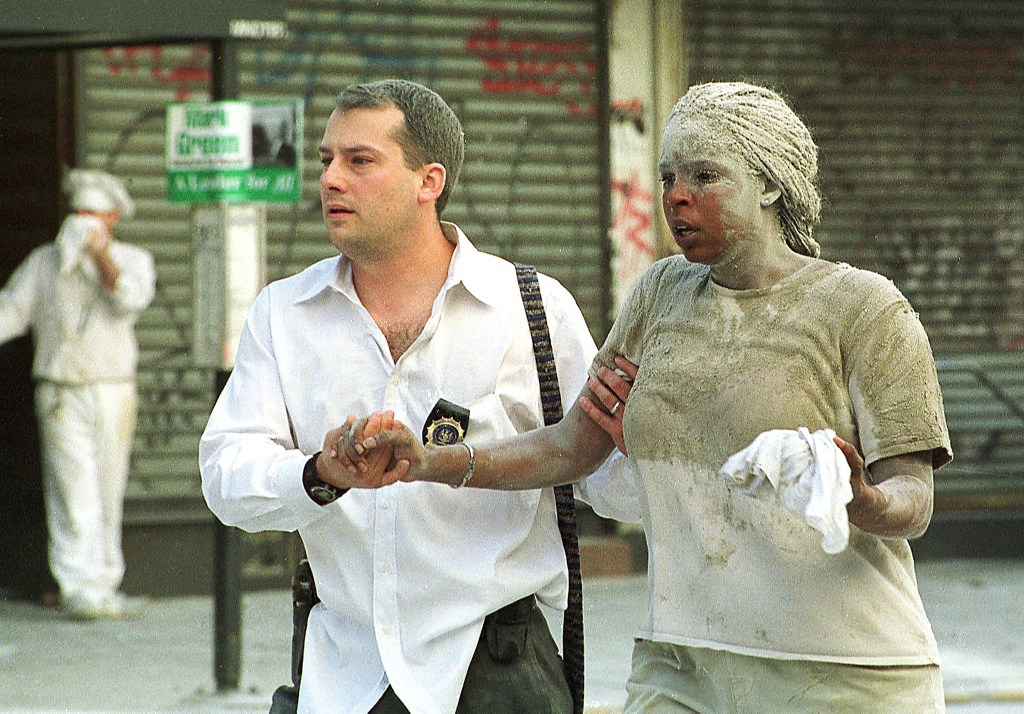
The segment’s final minutes tracked the unthinkable in real time. As the south tower collapsed, Kiernan’s composure cracked into raw observation. “That tower is not there anymore,” he said somberly. “A dramatic scene. This is, uh, clearly going to mean hundreds if not thousands of people injured as that building has fallen.”
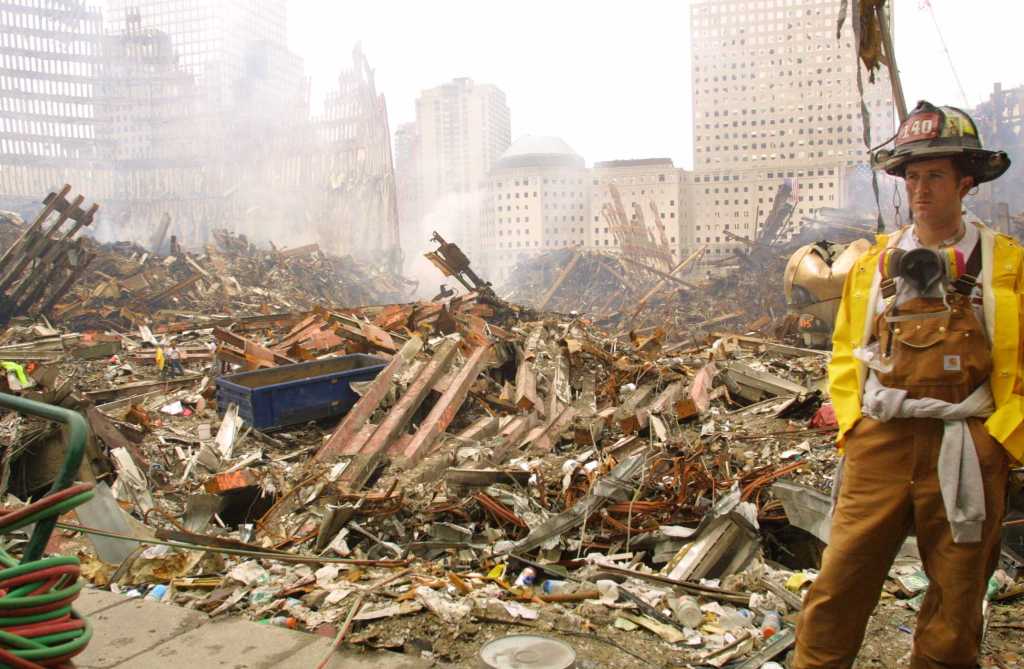
The hijacked-plane attacks killed 2,977 people when al-Qaeda terrorists crashed into the Twin Towers, the Pentagon in Washington, DC, and a field in Pennsylvania. The NY1 footage has endured as one of the most visceral documents of how the day felt to those watching it happen without comprehension, the information arriving faster than the capacity to absorb it.
Kiernan remained with NY1 for years after, his voice from that morning preserved in countless retrospectives. The broadcast’s power lies partly in its structure: the mundane scaffolding of local news, suddenly bearing the weight of history. No anchor could have prepared for what those fifteen minutes of “Before Times” would become.
The 25th anniversary of the attacks falls this Thursday.