

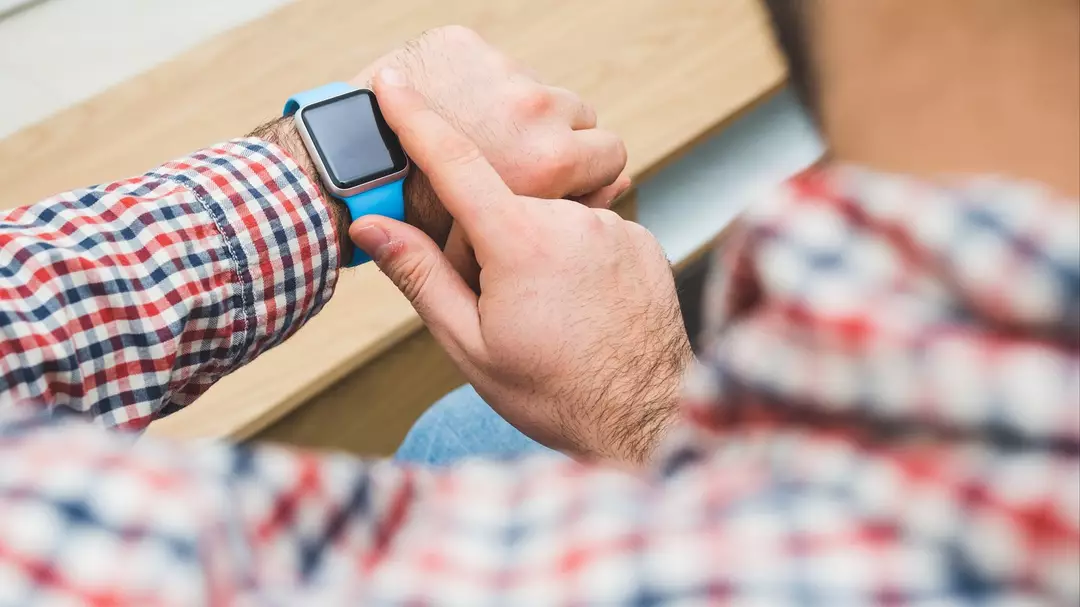
An advisory has been issued to individuals relying on their Apple Watch for blood pressure readings.
Smart watches typically offer tracking features such as heart rate, breathing patterns, and blood pressure monitoring to help users recognize when their metrics are above normal levels.
New findings suggest that these features may provide ‘false reassurance’ regarding health status, with researchers questioning the Apple Watch’s capability to detect high blood pressure accurately.
Researchers from the University of Utah Health and the University of Pennsylvania have raised concerns, despite the US Food and Drug Administration’s approval of the Apple Watch’s hypertension feature last year. They emphasize that it should not replace professional medical assessments.
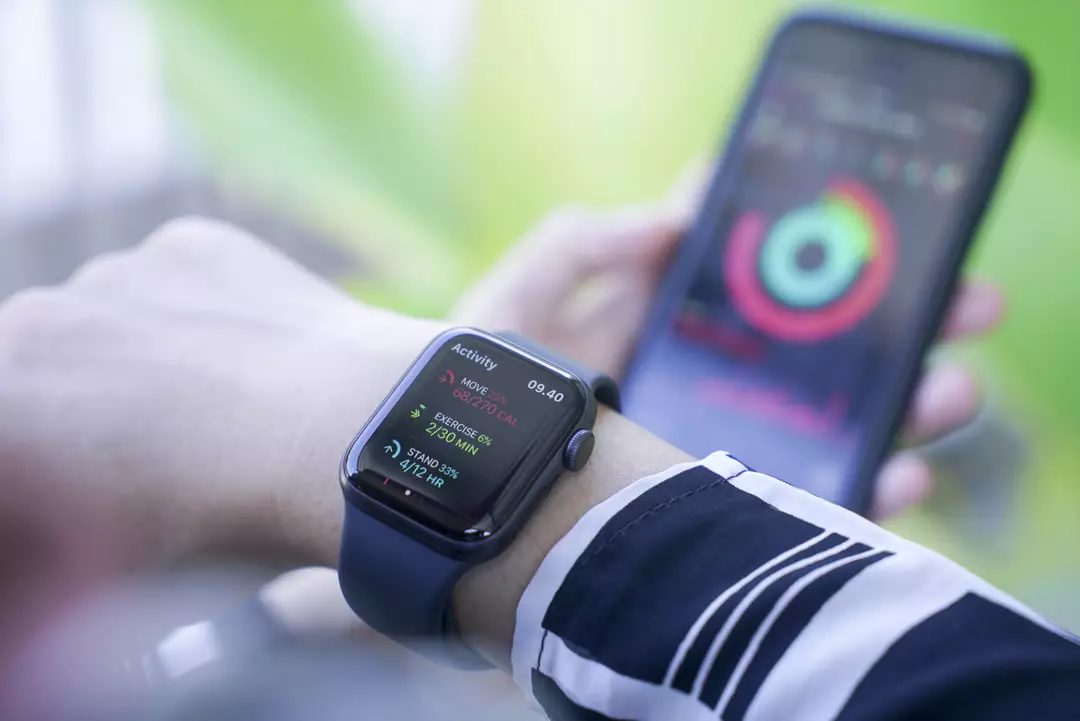
In a study published in the Journal of the American Medical Association, experts identified inconsistencies in the alerts generated by this feature.
“According to Apple’s reported test performance, 41.2% of individuals with undiagnosed hypertension would receive an alert for potentially having hypertension, and 58.8% would not,” the researchers stated. “Among those without hypertension, 92.3% would not receive an alert and 7.7% would receive an inappropriate alert.”
Apple clarifies that its ‘hypertension (high blood pressure) notifications feature’ is not designed to diagnose, manage, or treat conditions like hypertension, blood clots, stroke, atrial fibrillation, heart failure, or high cholesterol.
While the feature cannot detect heart attacks, it can notify users about patterns of chronic high blood pressure symptoms using its heart sensor and 30-day evaluation system.
“Apple indicates that the feature is not intended to diagnose hypertension and is designed to prompt users to seek clinical evaluation if hypertension is suspected,” the research team noted. “However, false reassurance may discourage some individuals with undiagnosed hypertension from obtaining appropriate screening or engaging with the healthcare system, resulting in missed opportunities for early detection and treatment.”

The research also indicated that this feature might be less dependable for older adults, who face a higher risk of hypertension.
The researchers summarized their findings: “With more than 200 million Apple Watch users worldwide, the hypertension notification feature offers new opportunities to identify adults with undiagnosed hypertension, but with potential for hypertension misclassification as well. A large proportion of individuals unaware of their hypertension may be made aware.
“However, an even larger proportion of individuals with undiagnosed hypertension could receive no alert at all.”
We have contacted Apple for their response on this matter.