

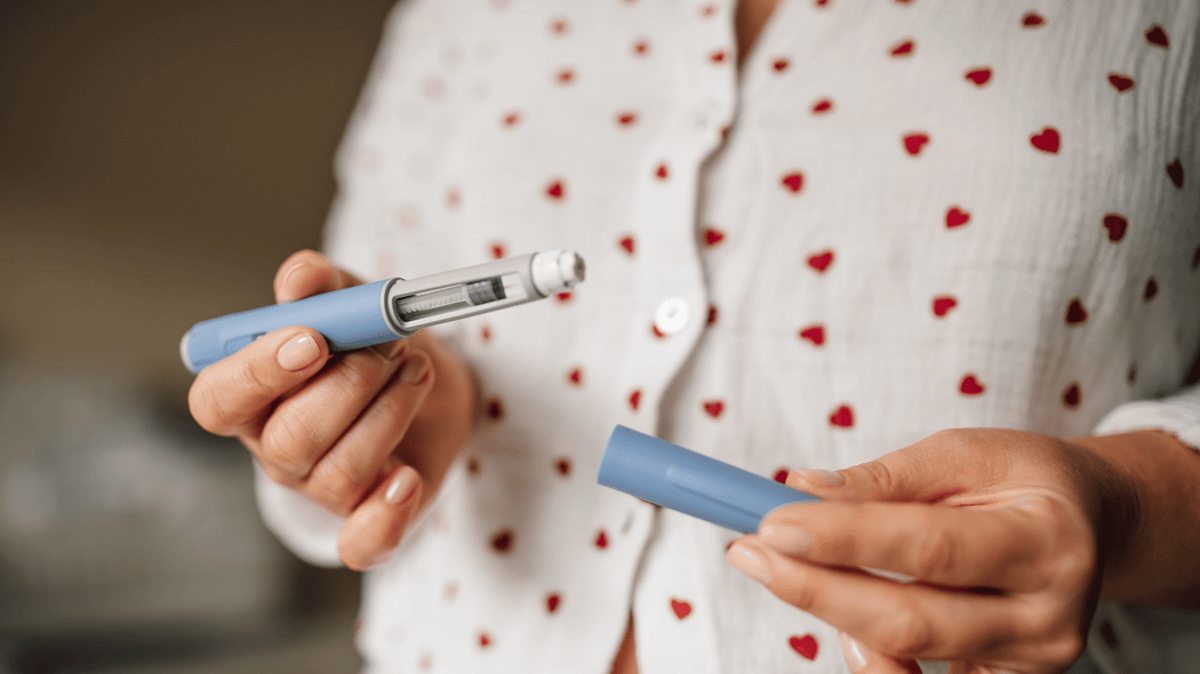
A health expert has highlighted seven frequent missteps people make when using weight loss medication, as these injections continue to rise in popularity.
Over the last year, GLP-1 medications have supported weight loss for millions of people, but clinicians continue to stress that they’re not a “do it once and it’s done” solution.
Even with drugs such as Mounjaro or Ozempic, a balanced diet and consistent movement remain an important part of long-term results.
Although social media is full of tips, some core issues keep cropping up for a lot of GLP-1 users.
And while these mistakes are common, many are straightforward to fix — and addressing them may help people avoid slowing their progress.
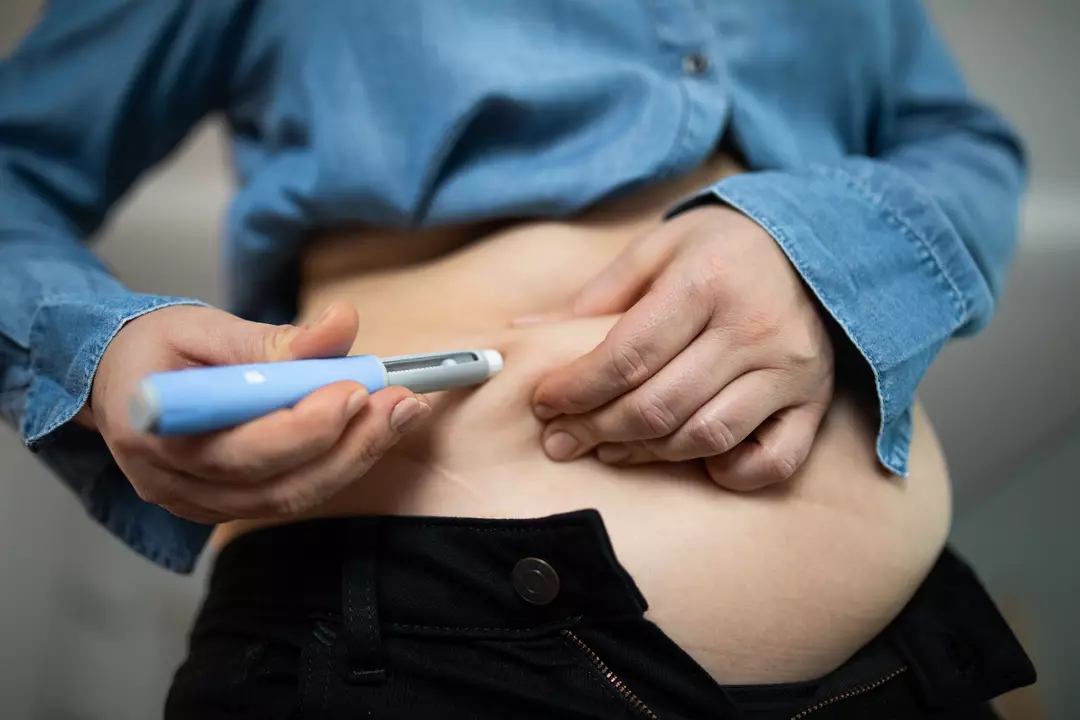
Starting GLP-1 treatment can change the rhythm of your day, particularly around food.
For example, you might have always eaten breakfast at the same time, only to find after medication that you’re simply not hungry then anymore.
Instead of forcing old routines, it can help to pay attention to appetite changes, and adjust meal timing and portion sizes in a way that fits your new hunger signals.
Alistair Murray, CEO and weight-loss specialist at Phlo, told The Independent: “That moment when you realise your hunger has quietened is a real opportunity. It’s the point where you can stop and ask yourself: Am I eating because my body needs it, or because this is what I’ve always done? For many people, that’s the first time they’ve ever had that pause.
“We often encourage patients to really evaluate their meals. If they were having a very carb-heavy breakfast before, this can be the inflection point where they realise they’re actually satisfied with something smaller and more protein-dense instead.”
Another trap is treating the medication as a way to hit a deadline — whether that’s for a holiday, a reunion, or a wedding.
But GLP-1 drugs are intended to support steady, sustained weight reduction, not rapid, short-term drops. Giving the medication time — and allowing your body to adapt — is a key part of using it safely and effectively.
“GLP-1s mimic a natural hormone in your body. They help regulate appetite, slow down digestion, and make you feel fuller for longer, which helps you eat less. This causes you to lose weight, but it is a gradual process,” according to Oxford Online Pharmacy.
“It takes time for your body to adjust to its new hunger signals, for you to eat less as a result, and for this to show as measurable weight loss.
“While it’s tempting to wish for fast results, slow weight loss is usually a good sign. It means your body is adjusting in a healthy, sustainable way. Small, steady progress tends to stick, and that’s what this journey is really about. If things are moving slowly, try to see that as a win.”
Nutrition still matters greatly — with or without medication. Because appetite often drops on GLP-1s, what you do eat becomes even more important.
Many professionals recommend building meals around protein and fibre, and being deliberate about hydration.
A common guideline is 1.2 grams of protein per kilogram of body weight each day (or 0.55 grams per pound).
“It’s got to be really intentional and nutritious because, if you’re only able to eat 50%, you should make every bite as nutritious as possible – protein, fiber, and hydration is the name of the game,” said Shannon Christen, a UCHealth registered dietitian and diabetes educator.
Because portions may naturally shrink, some people find it easier to eat smaller, nutrient-dense meals more often rather than attempting large plates.
Alongside protein, fibre and fluid intake are two areas people often overlook — especially when reduced hunger makes it easier to forget both meals and water.
Drinking enough can also lessen some common side effects, including dizziness and nausea.
“GLP-1s work by slowing the rate that food and fluid leave your stomach. This helps you stay satisfied for longer but can make it harder to take in enough liquid during the day,” according to MedicSpot.
“When your body is slightly dehydrated, side effects such as nausea, constipation, headaches, and fatigue can feel worse.
“Hydration supports digestion, circulation, and temperature regulation. It also helps you maintain focus and energy while your calorie intake naturally decreases.”
It can be useful to track weight, but relying on the scale alone can be misleading. Paying attention to other markers can give a more accurate view of how your body is responding.
Sleep quality, energy, and strength are good signals. Progress should not come with constant exhaustion, significant muscle loss, or worsening sleep patterns.
“If you deprive your body of essential nutrients, you may still achieve your weight loss goals, but your weight loss could be unhealthy. And, unhealthy weight loss can lead to health issues and conditions like hair loss, bad skin, and heart disease,” said Yvonne Mahl, a registered dietitian nutritionist.
Keeping some structure in your day can also help. Even on GLP-1s, many experts still encourage regular eating patterns where possible.
One pattern to avoid is barely eating during the day, then trying to “catch up” in the evening — which can trigger stronger cravings, extra snacking, and overeating later on.
Regular intervals can support steadier energy and reduce an all-or-nothing approach to food.
“Don’t force yourself to eat purely for the sake of it, but aim to keep your routine steady enough so that you don’t swing from ‘nothing’ to ‘everything’,” Murray advised.
“This is a key part of forming new behaviours that will hopefully last for years. A light but structured approach works well: protein and fibre earlier, so evenings feel calmer.”
Side effects are another area where people can get caught out. Like all medications, GLP-1s can cause unwanted symptoms.
Nausea, vomiting, diarrhea and reduced appetite are often reported. Other possible effects include dizziness, increased heart rate, infections, headaches and indigestion, according to Cleveland Clinic.
If symptoms appear, it can help to remember that early side effects don’t necessarily predict how the entire journey will feel — they often ease as your body adjusts.
“In reality, side effects are usually most noticeable at the very start and often settle as the body adjusts to the GLP-1. Small changes to diet, hydration, and routine can make a world of difference,” Murray said.
That said, if side effects intensify or become difficult to manage, it’s important to speak with your healthcare provider, who should be monitoring your treatment.