


Michigan health officials say they may have narrowed down the source of a parasite outbreak that has left dozens hospitalized with ‘explosive diarrhea’ and pushed the state to its highest yearly total on record.
Investigators have shared early findings from their review of the cyclosporiasis outbreak, a gastrointestinal illness caused by the parasite Cyclospora cayetanensis.
People can become infected after consuming food or water tainted with fecal matter. Officials say the outbreak has grown rapidly this summer and that Michigan usually sees only about 50 cases of cyclosporiasis in a year.
“Current results point to lettuce or salad greens as a potential source for this outbreak.”
Authorities stressed that the investigation is still ongoing and that other foods have not been eliminated as possible causes.
By Monday, July 13, confirmed cases had climbed to 2,640, breaking the previous state record. In a normal year, Michigan usually sees around 40 to 50 cases.
So far, investigators have not connected the outbreak to any specific grower, distributor, or supplier.
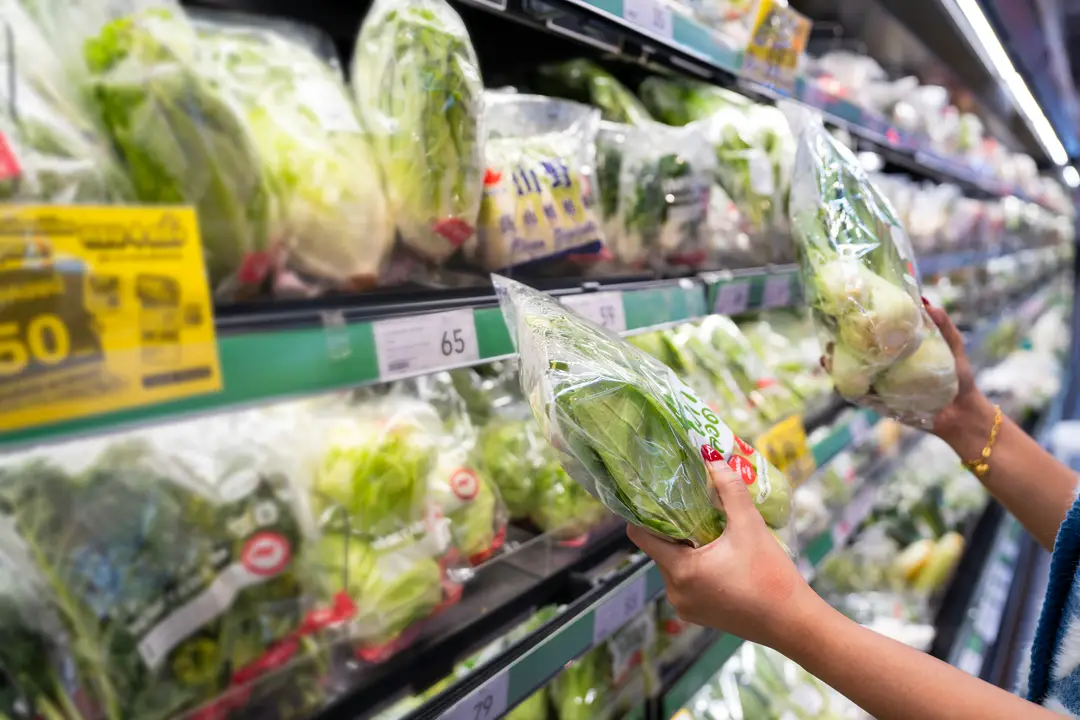
Leafy greens have been implicated in past Cyclospora outbreaks in the US, so the latest findings are not without precedent.
Earlier outbreaks have been tied to lettuce, packaged salad blends, and a range of fresh produce such as raspberries, basil, cilantro, fruit mixes, snow peas, and snap peas.
According to the Centers for Disease Control and Prevention, some infected people show no symptoms at all, while others can become seriously unwell.
The illness commonly causes prolonged watery diarrhea and can also lead to abdominal cramps, bloating, nausea, loss of appetite, weight loss, fatigue, and low-grade fever. Symptoms often begin about a week after exposure and may last for weeks or even longer if not treated.
Michigan officials say symptoms can usually be improved with antibiotic treatment, and they are urging people with sudden or ongoing gastrointestinal illness to contact a health care provider.

“A Cyclospora infection sometimes goes away on its own. But if you don’t treat it, your symptoms may last for a month or longer. This puts you at risk of severe dehydration and other complications.”
Health officials recommend basic food-safety steps while the investigation continues, including washing hands before and after preparing food, rinsing produce under running water, choosing whole heads of lettuce instead of prewashed bagged greens when possible, and discarding the outer leaves before eating.
They also say the risk is highest in fresh produce that is eaten raw, which is why investigators are focusing closely on salad greens and other leafy vegetables.