

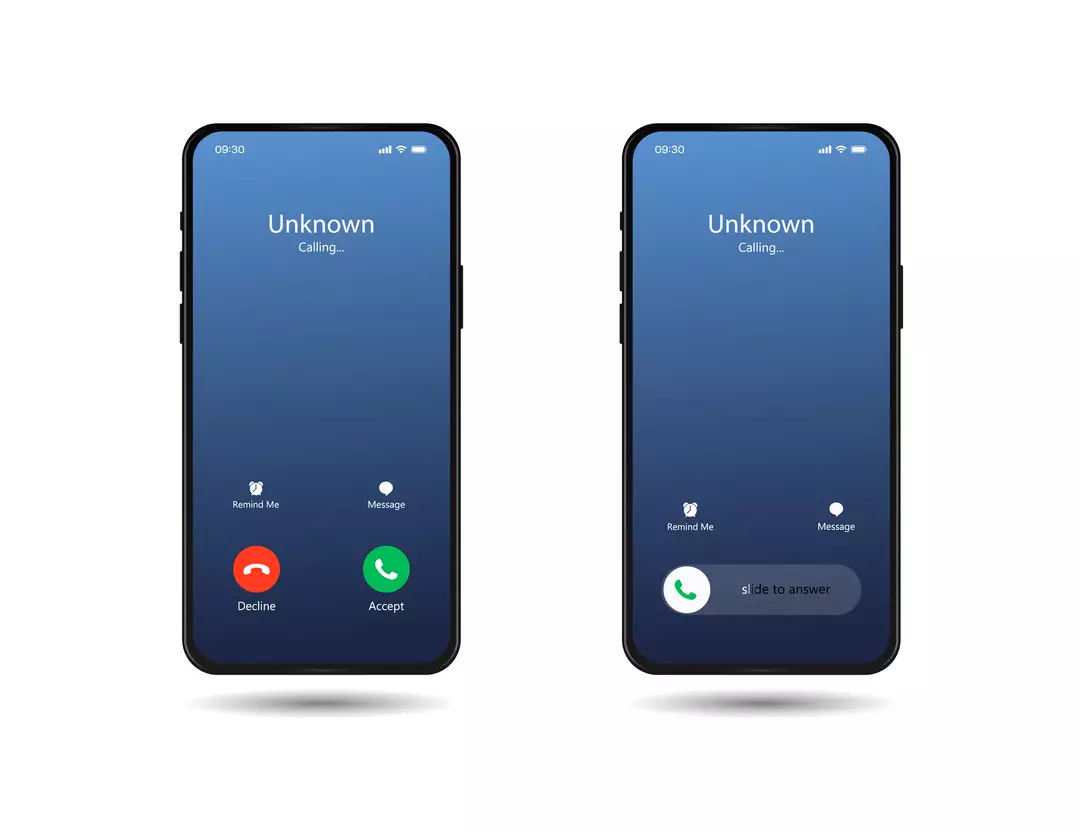
If you have an Apple iPhone, you might have noticed that while sometimes, the option to decline an incoming call pops up on screen, at other times there’s no option at all.
On one call you’ll see clear buttons to accept or reject, but on another you’ll only get the familiar “slide to answer” prompt.
It can feel inconsistent, but iOS is doing it on purpose — and once you know the logic, it’s pretty easy to understand.
If the difference still annoys you, there’s also a simple way to get around it when you need to send someone away quickly.
The deciding factor is whether your iPhone is locked at the moment the call comes in, or whether you’re already using it with the screen unlocked.
Supercar Blondie reports that this design is intended to lower the risk of accidental taps.
In practice, it’s far easier to hit a button by mistake than it is to complete a deliberate swipe across the screen.
So even if you’ve never thought about it, the “slide to answer” screen may have prevented more than a few unintended call pick-ups when your phone is in a pocket or bag.
If you want to reject a call while that swipe screen is showing, you can still do it with the hardware buttons: press the lock button once to mute the ringing.
Press it a second time and the call will be sent straight to voicemail.
That means the interface might be less convenient at a glance, but you’re not actually stuck without a way to decline.

One person wrote on Reddit: “When your iPhone is locked and a call comes in, you only have the option to ‘slide to answer’. However, when the phone is unlocked, you can either accept or decline the call.
“The reason for this is, essentially, reverse butt-dialing. Apple assumed that if your phone is locked, it’s probably in your pocket or bag and you’re not really paying attention to it. If the ‘accept’ and ‘decline’ buttons were available while in lock screen mode, it would be much easier to accidentally pick up or ignore calls by hitting one of the buttons, rather than holding the button and sliding with your finger.”
Elsewhere in iPhone chatter, reports suggest the iPhone 17 Pro Max has become the most frequently traded-in model right now.
It currently leads the independent trade-in rankings, making up 11.5% of all devices appearing in the top 20. The findings come from SellCell’s internal trade-in data alongside secondary market pricing trends, compiled from 40 independent iPhone buyers.
So what’s driving people to move on from an iPhone 17 Pro Max so quickly? Feedback appears to be split, with some saying they regret upgrading, while others say they’re completely satisfied.
“I literally posted a couple days ago asking about the best way to sell my 17 Pro,” one iPhone user shared on Reddit. “This makes sense to me. Five months in, I really regret the purchase and would rather have some cash and go back to the 13 Pro, which to me is about imperceptibly different and a better color.”
On the other hand, not everyone feels that way. “I’ve been very happy with my 17 Pro Max,” another customer wrote.