

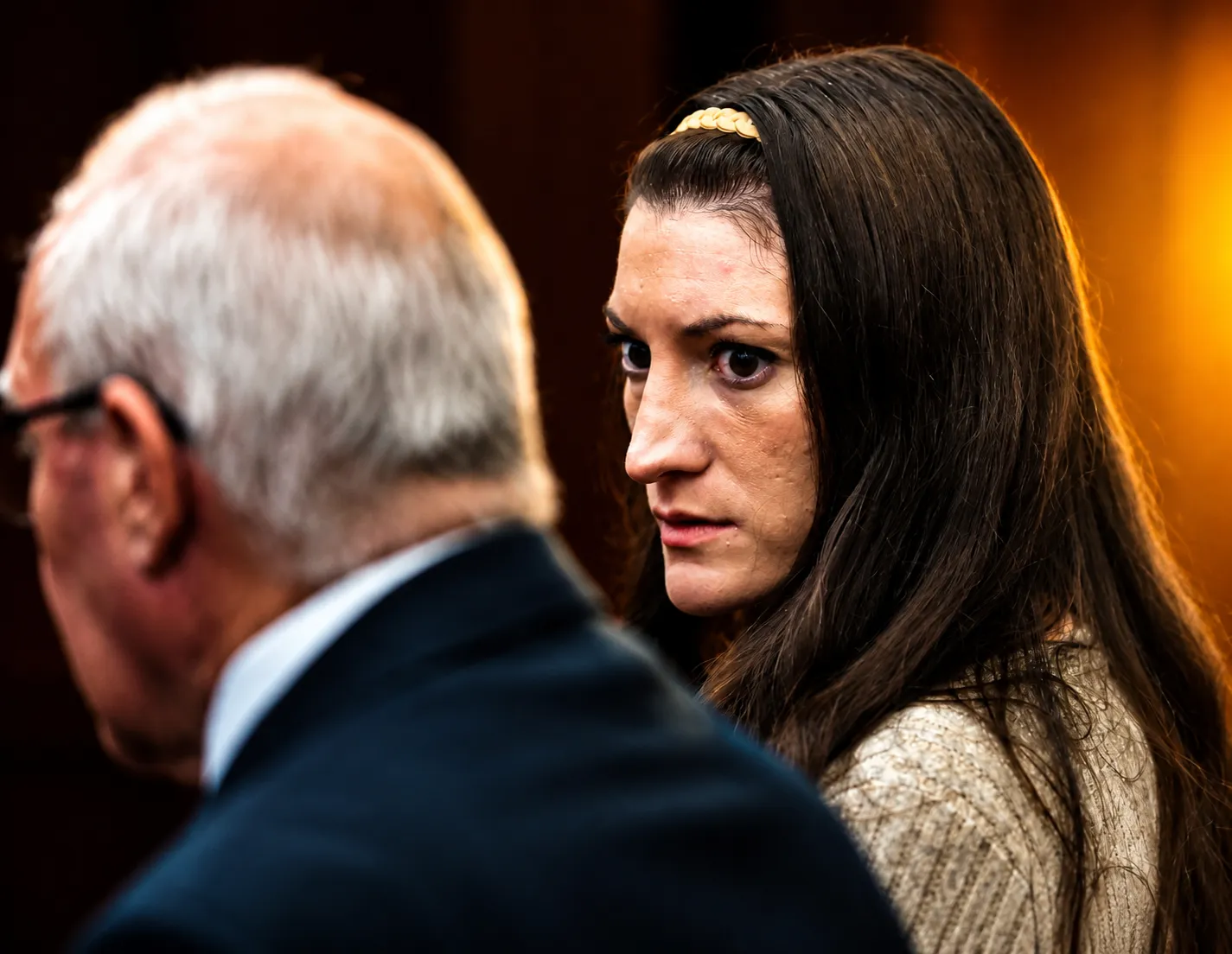
Lindsay Clancy’s jury told the judge they were deadlocked after nearly 18 hours of deliberations.
The panel of nine women and three men sent a note Tuesday morning to Massachusetts Superior Court Judge William Sullivan saying they had reached an impasse on whether the 36-year-old Duxbury mother was legally insane when she killed her three children and attempted suicide. Sullivan immediately ordered them back to work. “I know there were over 80 witnesses, there were over 300 exhibits, but because of that I’m going to ask you to go back out … and continue your deliberation at this time,” he told jurors in the Plymouth courtroom.

Just hours later, the jury asked to leave early for the second day in a row, having logged 23 total hours without a verdict. They were scheduled to resume Wednesday at 9 a.m.
Veteran Boston criminal defense attorney Peter Elikann predicted the case always faced steep odds of reaching consensus. “There was always going to be a very high probability that there would be a deadlock jury in this case,” he told The Post, explaining that Sullivan still holds one powerful tool under Massachusetts law.

That tool is a formal instruction known as the “Tuey-Rodriguez” charge, which Elikann described in colorful terms. “Known colloquially as the dynamite charge … And it really pushes the jury and urges them to try to work out a unanimous decision,” he said. “It’s almost equivalent to a pep talk by the judge encouraging them to go back and try harder.”
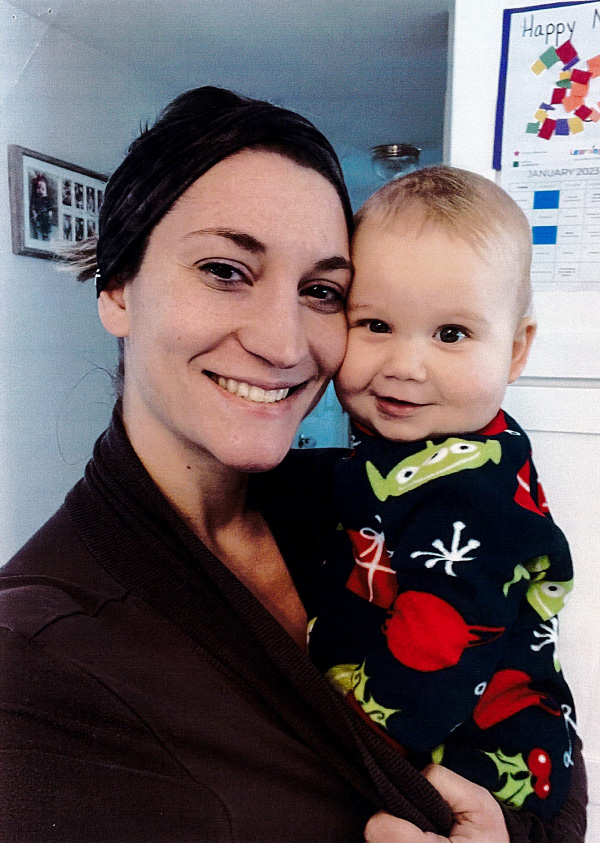
Boston defense lawyer Brad Bailey outlined a gentler alternative available to Sullivan. “It’s an American Bar Association instruction that isn’t as strong as Tuey … that is sometimes given when the judge doesn’t believe the jury has reached a true deadlock,” he told The Post.
Should the panel send a third note maintaining they cannot agree, Sullivan would face pressure to declare a mistrial. “It depends on who the judge is, but normally once Tuey has been given, if they come back again and say they are still deadlocked, the judge is constrained to grant them a mistrial,” Bailey said. Both attorneys noted, however, that Sullivan retains discretion to push jurors even further.
Clancy’s defense attorney, Kevin Reddington, made clear he would not abandon his client if the case collapses and must be retried. “Absolutely,” he told reporters Tuesday morning on his way into court. He would “try it again,” he said, adding that Plymouth District Attorney Timothy Cruz “would never drop it. That’s for sure.”

Reddington also revealed the toll a second proceeding would take. On his way out of court, he said Clancy, who is paralyzed from her suicide attempt, wouldn’t be able to emotionally handle a second trial. He simultaneously pressed Cruz on his charging decision, questioning why the district attorney refused to reduce the counts from first-degree to second-degree murder — a move that would have allowed Clancy to waive her right to a jury and put her fate before a judge alone.

“You should ask Mr. Cruz why he did not reduce the charges to second degree so the matter could be waived by a jury and tried by a judge instead of a jury,” Reddington told reporters. “You should ask Mr. Cruz why we are trying on triple homicide first degree, not me.”
If Cruz’s office declined to retry the case following a mistrial, Clancy would go free.
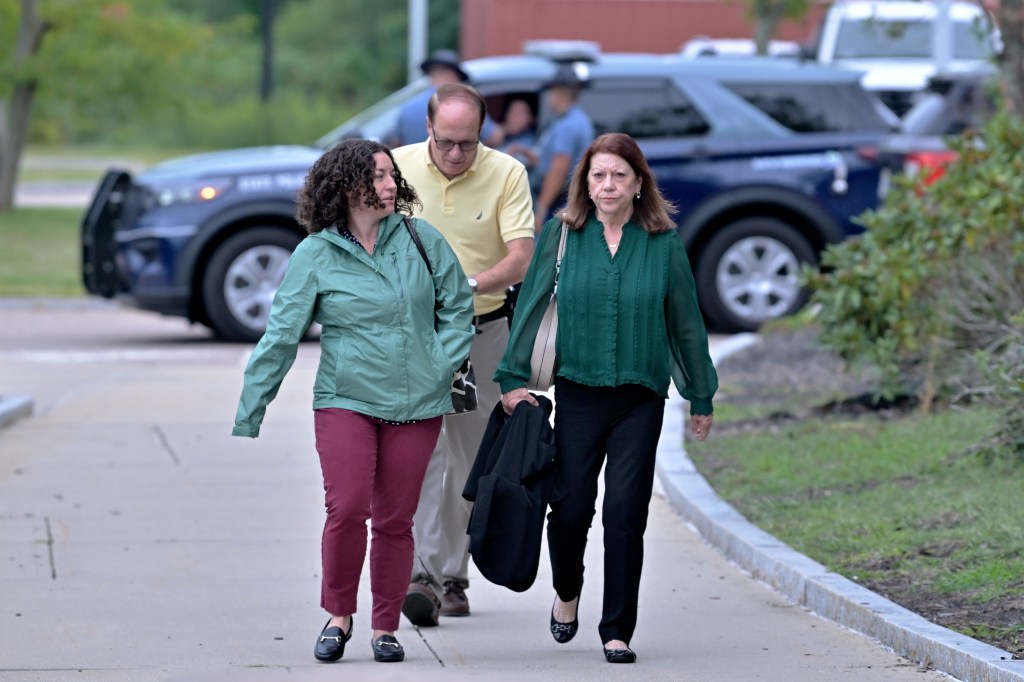
Clancy’s parents, Mike and Paula Musgrove, appeared visibly anxious at news of the impasse. Prosecutors have argued throughout the trial that she meticulously planned the January 2023 killings of Cora, 5, Dawson, 3, and 8-month-old Callan, fabricating claims of hallucinatory voices to escape responsibility. They are seeking first-degree murder convictions carrying life without parole. Her defense counters that severe postpartum psychosis rendered her legally insane.
The jury resumes deliberations Wednesday morning in Plymouth.