

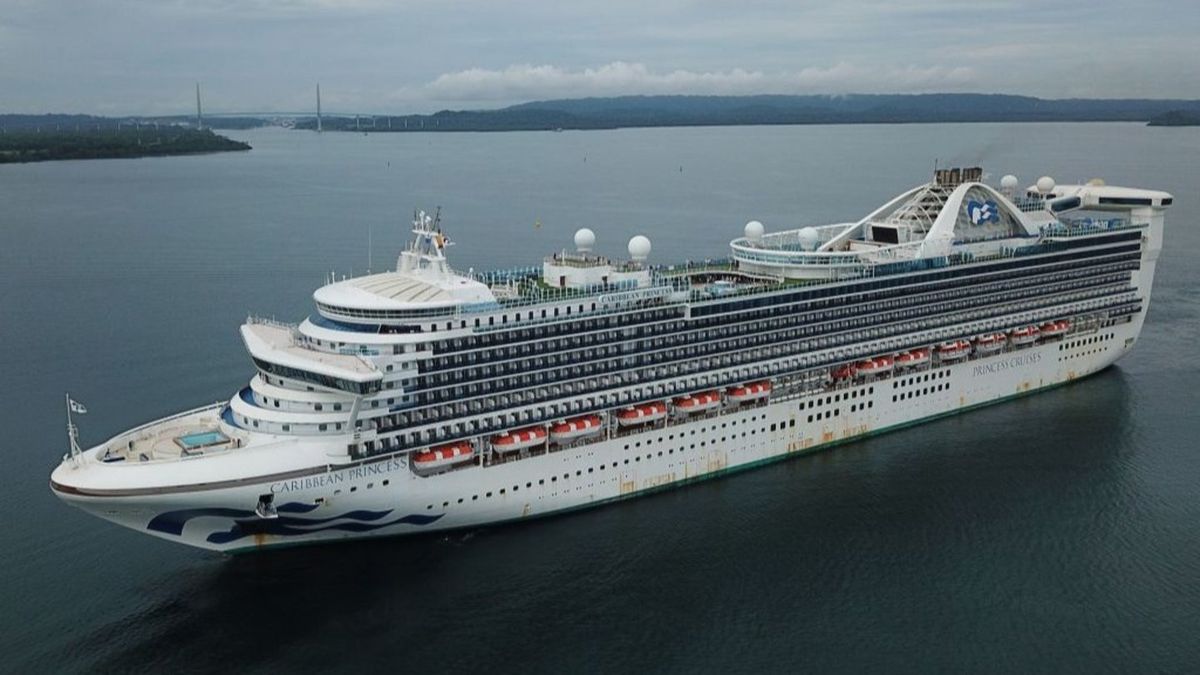
A new outbreak of a highly contagious virus has been reported on a cruise ship, with more than 100 people said to be affected.
A Centers for Disease Control and Prevention (CDC) update says a norovirus outbreak has been identified on the Caribbean Princess, which departed in late April.
Norovirus is a very infectious stomach bug that typically causes gastrointestinal symptoms such as vomiting, nausea, and diarrhoea. While it can be miserable to experience, most people recover within a couple of days.
Common signs to watch for include feeling sick, vomiting, diarrhoea, a raised temperature, headache, stomach cramps, and body aches.
The CDC report states that 102 of the ship’s 3,116 passengers, along with 13 of 1,131 crew members, have reported symptoms consistent with the illness.

“Princess Cruises can confirm that a limited number of individuals reported mild gastrointestinal illness during the April 28 Caribbean Princess voyage from Port Everglades,” a statement read.
“We quickly disinfected every area of the ship and added extra sanitizing throughout the voyage. Upon arrival to Port Canaveral on May 11, Caribbean Princess will undergo comprehensive cleaning and disinfection before departing for her next voyage.”
The cruise line has also said it has strengthened onboard sanitation measures and taken steps that include isolating affected passengers and crew to help limit further transmission.
Although norovirus is often nicknamed the “winter vomiting bug,” cases can occur year-round, and the virus can spread easily in shared environments where people are in close contact.
The news also arrives amid wider concern about hantavirus cases reported elsewhere.
On April 1, it was reported that the MV Hondius cruise ship sailing from Argentina had recorded eight suspected cases, with three passengers later dying.
Hantavirus is typically linked to exposure to rodents, but the Andes virus strain associated with the incident can, in some circumstances, spread via person-to-person contact.
Argentine authorities suggested transmission may have been connected to a birdwatching excursion in Ushuaia that two passengers attended prior to boarding.
On the WHO website and Instagram channel, the organization recommends keeping away from rodents, as well as measures such as securing food so it can’t be accessed by rodents, sealing gaps where rodents could enter, and using appropriate precautions when cleaning areas that may be contaminated by rodent droppings.