

A tragic boating accident in Wisconsin has underscored the deadly power of severe weather that battered the nation over the July Fourth holiday weekend, as an intense heat wave and fierce storms left hundreds of thousands without electricity and forced widespread cancellations of Independence Day celebrations.
Three children drowned Friday afternoon when their boat capsized on Geneva Lake near the Wisconsin-Illinois border, a stunning reminder of how rapidly dangerous conditions can develop on area waterways. The children, who were all wearing life jackets, were aboard a privately owned recreational motorboat carrying a total of ten people—six adults and four children—when a sudden and severe storm moved into the area.
The boat’s operators attempted to navigate to safety as the weather deteriorated, but were overwhelmed by severe wind and waves. The vessel took on water, capsized and sank. First responders rescued the six adults and one child from the water, but the three others went missing. After an intensive search, rescuers recovered all three children and transported them to local medical facilities, where lifesaving measures continued. All three were pronounced dead upon arrival.
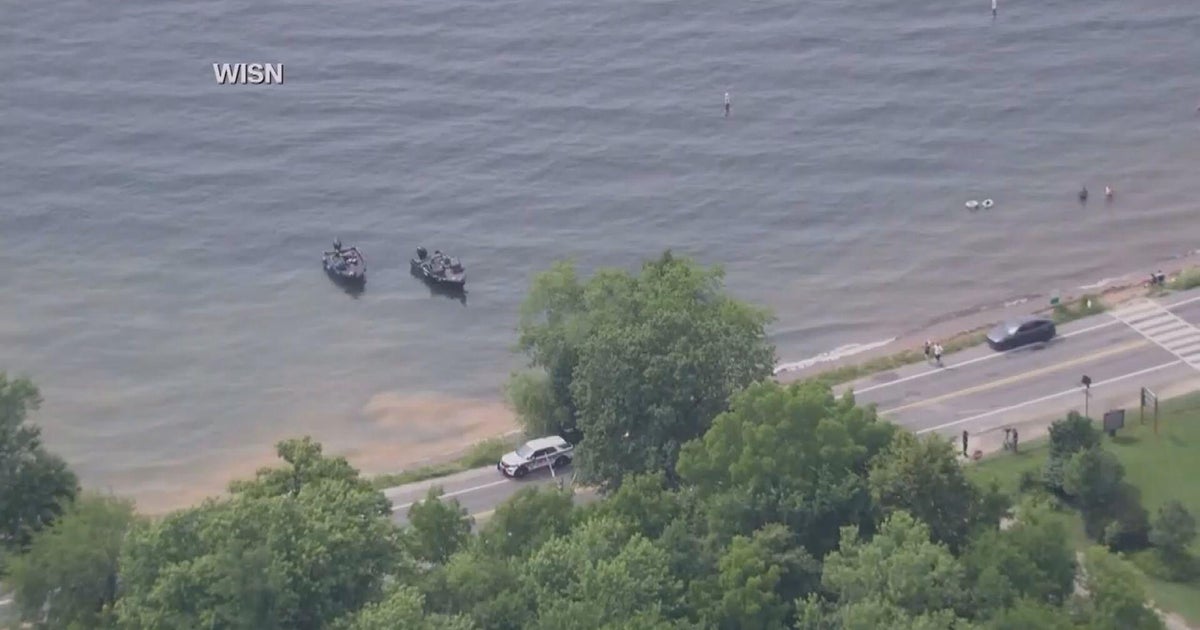
The tragedy struck in Wisconsin’s Walworth County, a region that has long served as a vacation destination for residents of the Chicago area. The same storm that claimed the lives on Geneva Lake produced widespread devastation across the region. The severe weather, featuring strong straight-line winds, descended on the southern portion of Walworth County just before noon Friday, triggering 769 emergency calls and an additional 268 nonemergency calls to authorities.
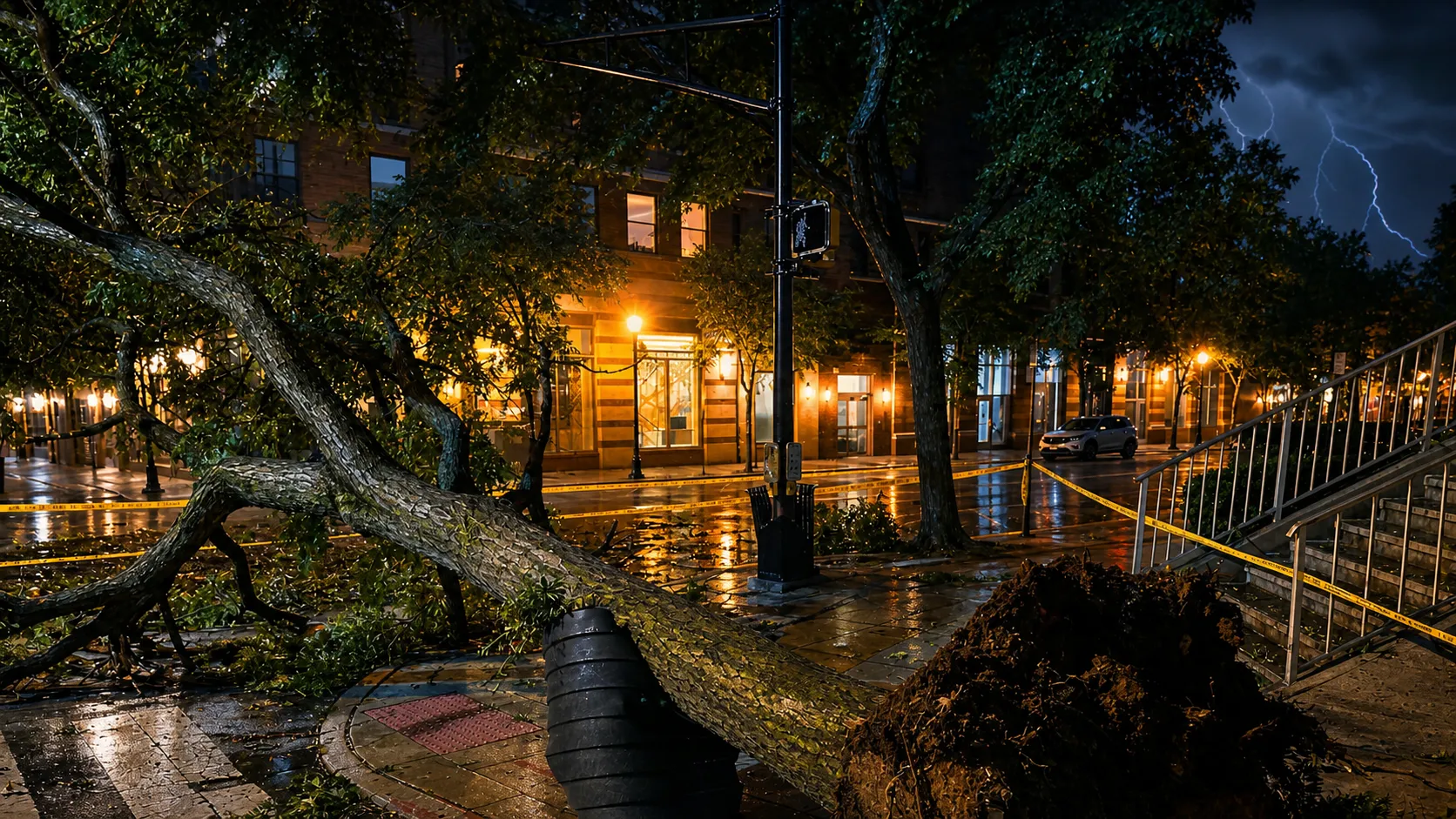
A collapsed eighty-foot-tall silo in Sharon, Wisconsin, trapped five people who had taken shelter inside after getting caught in the storm while driving. Several of those trapped suffered serious injuries. A semi-truck trailer was blown over on its side on Route 12 near Elkhorn, while a car became entangled in power lines in Walworth, with the driver trapped for several hours. Lake Geneva Police reported one person suffered minor injuries after being struck by a falling tree. Hundreds of downed trees and power lines blocked many roads throughout the area, creating massive power outages.
The destruction extended well beyond Wisconsin. Storms that rolled through the Midwest and Northeast on Friday led multiple cities to cancel holiday festivals and reschedule fireworks displays. In New Jersey, Mayor Frank Velez of Belleville rescheduled the town’s fireworks for next year, telling residents: “While we’re disappointed we couldn’t celebrate together tonight, your safety will always come first.”
A round of storms also toppled trees around Chicago overnight, including one that derailed a CTA Yellow Line train in Evanston. Thirty-one passengers were evacuated from the train and helped down an embankment after being stranded for about an hour. Emergency crews used chainsaws to clear a pathway and ropes to guide adults and children down the slippery thirty-foot slope to safety. No injuries were reported in the incident.
The severe weather came as the nation sweltered under a dangerous heat wave that forecasters called potentially historic. More than 185 million Americans were under heat alerts Friday, with temperatures across major metropolitan areas like Philadelphia and Washington, D.C., pushing toward or exceeding one hundred degrees. By noon on July Fourth, temperatures across parts of the Northeast were soaring back toward triple digits.
The combination of extreme heat and storms left widespread power outages. Nearly one million residents lost electricity across the Midwest and Northeast. By noon Saturday, about 750,000 utility customers were powerless in Wisconsin, Michigan, Illinois, Pennsylvania, Ohio, New York and New Jersey.
The hazardous weather forced substantial changes to Independence Day observances nationwide. Washington’s National Independence Day Parade was canceled due to extreme heat warnings with temperatures expected to reach up to 115 degrees. Parades were also canceled in Fairfax, Leesburg, Takoma Park and Laurel. Philadelphia postponed its Saturday fireworks display until midnight. Multiple communities in Colorado canceled their fireworks displays due to the risk of wildfires, while Utah implemented statewide fireworks restrictions.
The Great American State Fair on Washington’s National Mall shut its doors for several hours Friday afternoon before reopening at reduced capacity. Other major events across the region were rearranged, rescheduled or moved indoors to avoid the worst of the dangerous heat.
Heat posed its own deadly threat. A 68-year-old man died while trimming bushes on July 2 in Bethel Township, Pennsylvania, where temperatures exceeded one hundred degrees. Authorities warned that heat is the leading cause of weather-related deaths in the United States and that extreme heat and high humidity create conditions in which the human body cannot cool off effectively.
As the nation assessed the damage from the weather disaster, authorities emphasized the unpredictability and power of severe weather. Geneva Lake police said in a statement that the boating tragedy served as a reminder of how quickly severe weather can develop on area waterways, and they urged all boaters to closely monitor weather forecasts and seek safe harbor immediately when threatening weather approaches. The deaths remain under investigation by the Geneva Lake Law Enforcement Agency and the Wisconsin Department of Natural Resources.