

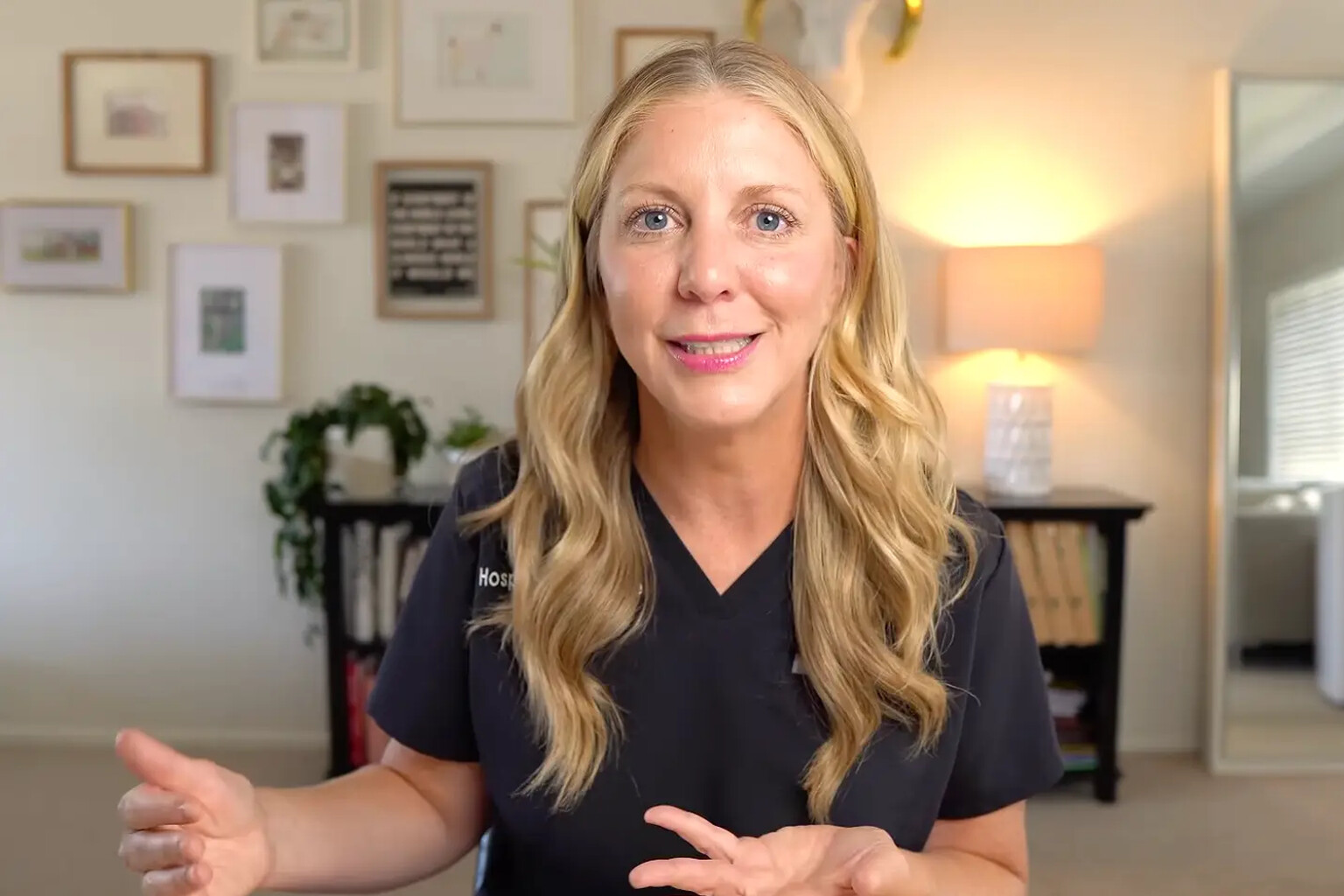
Hospice nurse Julie McFadden has revealed that dying patients often begin “seeing” deceased relatives and pets in the weeks before death, a phenomenon so common her workplace includes it in educational materials.
McFadden, who has hundreds of thousands of followers across YouTube and TikTok, has built a large audience by demystifying the dying process. She has reportedly witnessed hundreds of deaths over her career and uses her platforms to reduce fear around end-of-life experiences rather than stoke it.
In a YouTube video posted three years ago, McFadden addressed what she called one sign of approaching death that “most people don’t believe happens.” She explained that patients typically begin this experience within a few weeks to a month before passing.
“Usually a few weeks to a month before someone dies, if they’re on hospice, they will start seeing dead loved ones, dead relatives, dead pets,” she said in the video. “This happens so often that we actually put it in our educational packets that we give to patients and their families when they come on hospice so they aren’t surprised or scared when it happens.”
McFadden identified the phenomenon as “visioning” and noted that medical experts have not determined its cause. She estimated she has observed it in more than half of her patients.
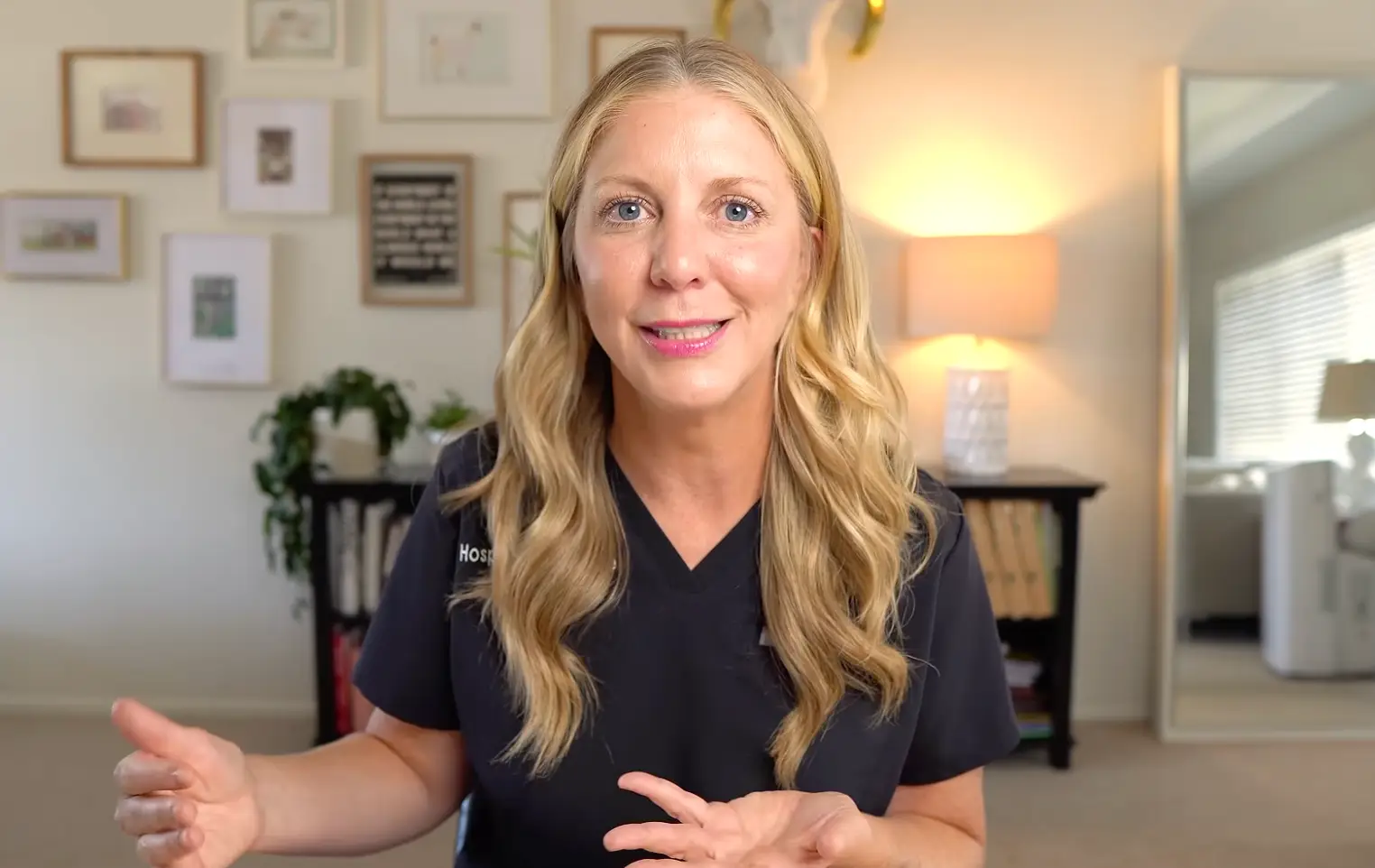
“Most people think it’s because of low oxygen in the brain and it’s causing them to hallucinate – this is definitely not true because, when it does happen, most people are awake and oriented,” McFadden continued. She emphasized that despite potential concern from observers, the experience tends to be “comforting to the patient.”
Beyond visioning, McFadden has also detailed physical indicators that death is near, specifically pointing to a rapid-onset skin condition known as a Kennedy ulcer. According to the Cleveland Clinic, this wound sometimes appears at the very end of a person’s life and can be mistaken for a bruise.
McFadden, who worked as a hospice nurse for roughly a decade, described the Kennedy ulcer as strikingly abrupt in its timeline.
“The Kennedy ulcer is very specific because it’s not there, then boom, it’s there, and then boom, they die. That’s how quick the Kennedy ulcer thing is,” she said.
McFadden’s online presence includes 738,000 YouTube subscribers and 1.8 million TikTok followers, reflecting broad public interest in her firsthand accounts from hospice care. Her content typically walks viewers through bodily changes and sensory experiences that accompany dying, framed explicitly as tools for reducing anxiety rather than creating it.
The visioning phenomenon McFadden described joins a range of reported end-of-life experiences that medical professionals document but do not fully understand, including terminal lucidity and various sensory shifts. McFadden’s decision to include it in patient education packets suggests the frequency with which hospice staff encounter it.
McFadden continues posting about death and dying across her social media platforms.