

Lindy Li has accused the Harris campaign of repeatedly lying about celebrity appearances to pack rallies.
Li, a former Democratic National Committee fundraiser who helped raise millions for Kamala Harris’s 2024 presidential bid, leveled the charges in her new memoir “Unburdened,” published September 22 by Harper. The book details what she calls a pattern of deliberate deception involving Beyoncé, Taylor Swift, and Bad Bunny that she believes damaged the campaign’s credibility with young voters.
The most explosive claim centers on the Democratic National Convention in Chicago. Li, who served on the National Finance Committee and traveled by private shuttle to the United Center, writes that rumors of a Beyoncé performance were willfully fanned to fill the stadium for Harris’s acceptance speech. When the singer failed to appear, disillusionment spread through the crowd of roughly fifty thousand delegates, alternates, volunteers, and press.
“Just kidding — that was just a lie to pack the stadium for Kamala’s acceptance speech,” Li wrote of the Beyoncé rumor. She described the aftermath as a moment when “the campaign’s sugar high crashed into a brutal hangover, highlighting Harris’s ineptitude at political pageantry and her inability to follow through on her massive promises.”
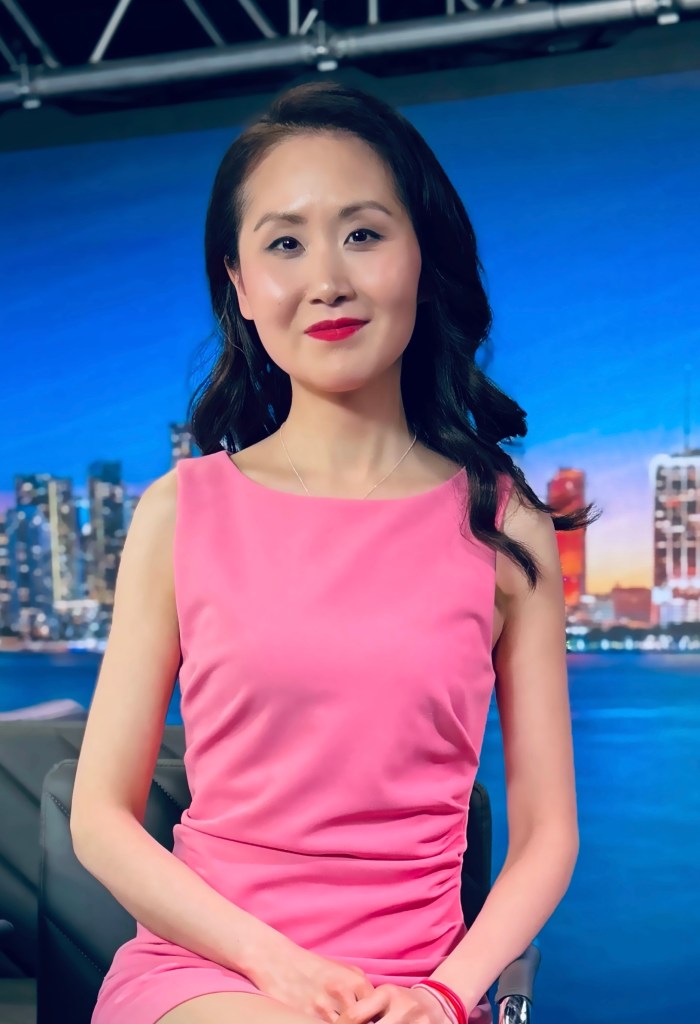
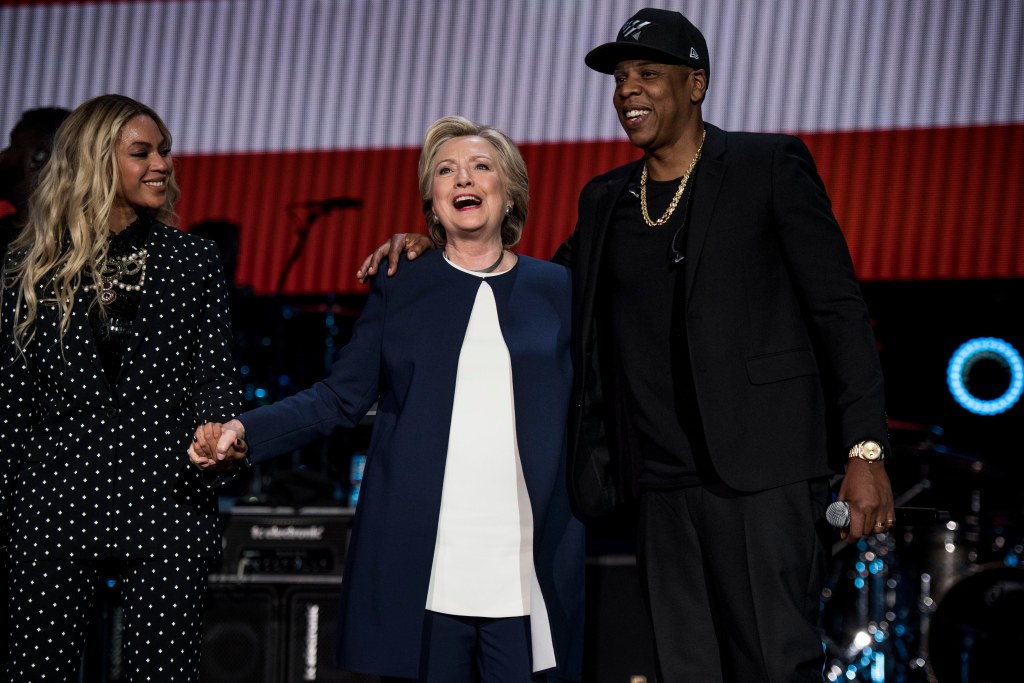
The convention was not an isolated incident, according to Li. Less than two weeks before Election Day, on October 25, the campaign staged a high-profile rally in Houston where Beyoncé was again dangled as bait. This time the singer did appear — but only to deliver a speech, not to perform. Li writes that when Harris took the stage afterward, she was met with “furious howls” as attendees headed for the exits.
The pattern repeated one final time in Philadelphia on the night before the election, Li alleges. Campaign insiders circulated rumors of mystery superstars for Harris’s closing rally. A Fox News journalist suggested to Li that Taylor Swift might appear. A high-ranking Biden White House official insisted with “absolute certainty” that Bad Bunny would perform. Fellow donors speculated Beyoncé might seek redemption for her two non-performances.
“Campaign czars swore it would be a chart-incinerating rock star, not a recently dumped has-been desperate to scrape together more sales on the worst-reviewed album of the year,” Li wrote, describing the speculation that gripped supporters.
The actual performer was Katy Perry. Li called the outcome “the most expensive karaoke night in American political memory.”
“They dangled Taylor, Beyoncé, and Bad Bunny overhead like manna, luring thirty thousand shivering masochists onto frozen concrete,” Li wrote. She characterized the operation as “a con executed with sociopathic detachment,” adding that “instead of a single villain, there was a syndicate of deceit, each pocketing a succulent slice of the scam.”
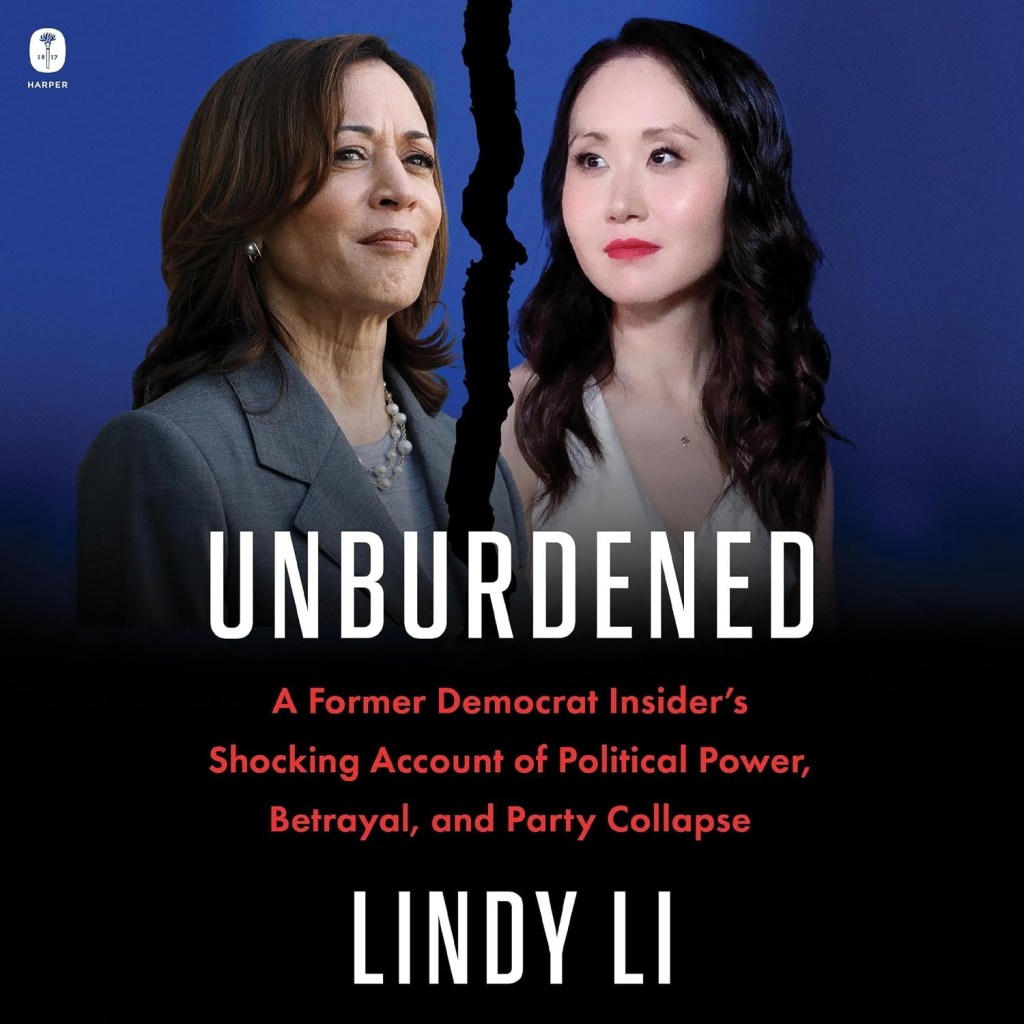
Li’s break with the Democratic Party became public following Harris’s defeat. She had previously raised millions for Joe Biden’s 2020 campaign and served as a key fundraiser for Harris before her disillusionment. The former financial analyst, who ran unsuccessfully for Congress in 2018, said recently: “I don’t think I could have lived with myself had I not told the truth.”
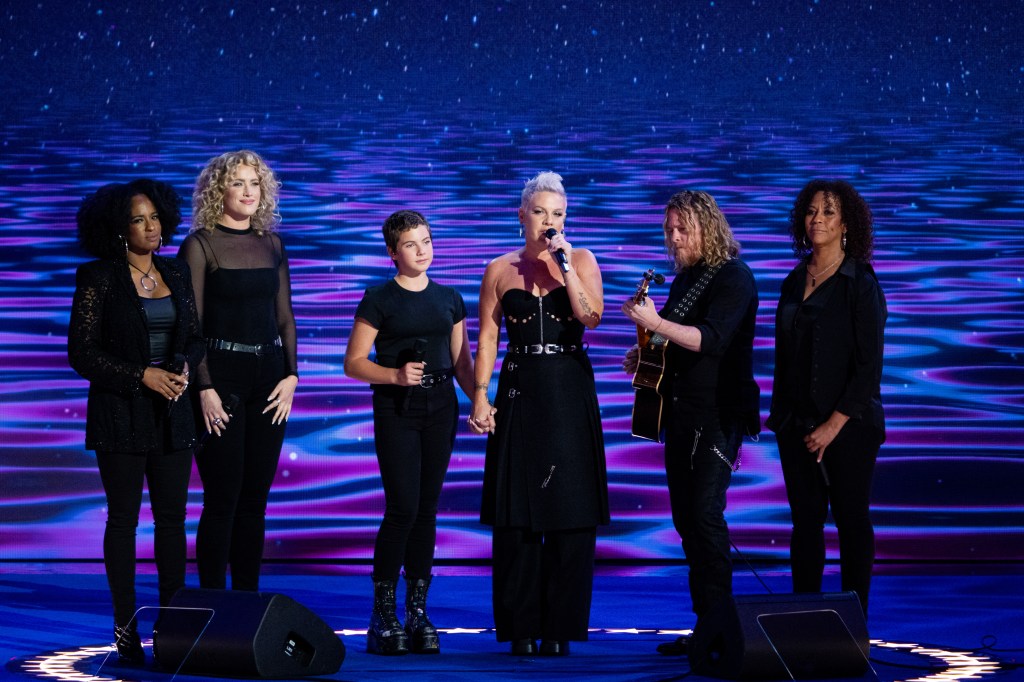
In her book, Li coined the nickname “Team B.O.C.H.” for Biden, Obama, Clinton, and Harris, accusing them of “spectacular ineptitude” in managing the celebrity rumors. She argues that older campaign operatives failed to understand Beyoncé’s cultural power over younger liberal voters, and that the repeated letdowns carried “cataclysmic force” for a demographic Harris desperately needed.
The Houston rally in particular, Li writes, represented a tipping point where “the betrayal clanged with cataclysmic force, raw, ruthless, and ragingly ruinous.” She noted that Beyoncé had performed for Hillary Clinton in 2016, only to see Trump win, and speculated the singer may have been reluctant to wager her reputation on another political candidate.
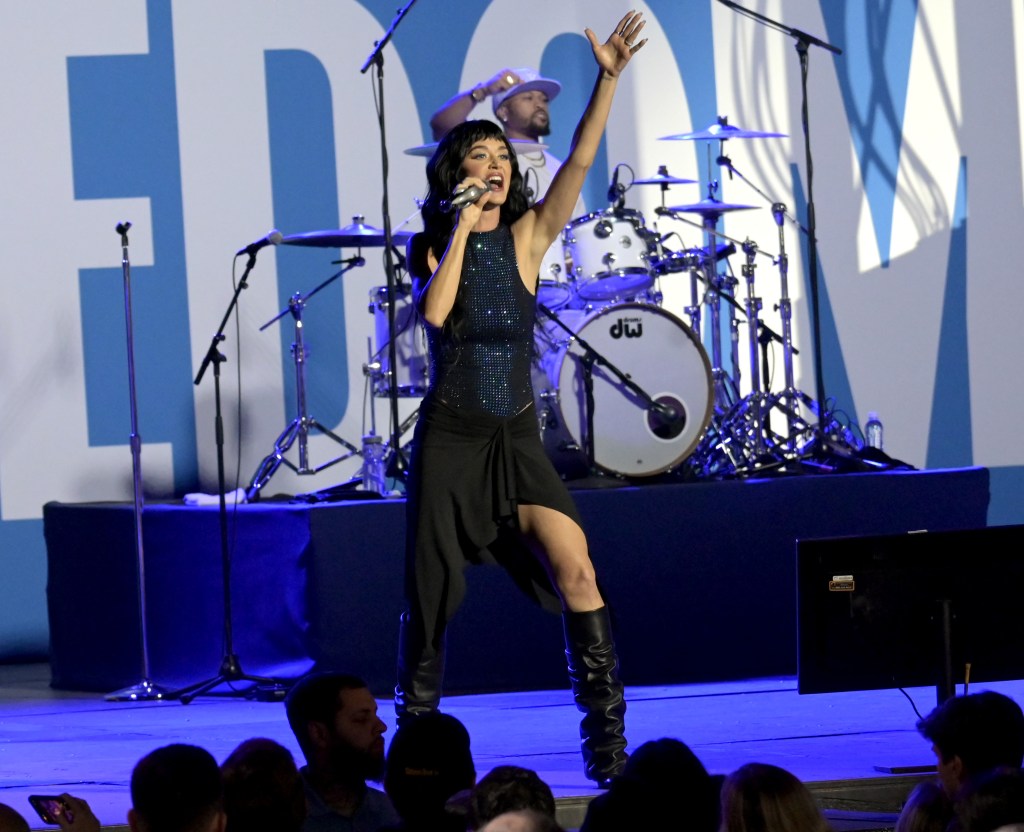
Li’s account portrays a campaign addicted to manufactured spectacle, with staffers she calls “hype arsonists” torching their remaining credibility for temporary crowd sizes. By the time Perry appeared in Philadelphia waving “a sparkler nobody wanted,” Li writes, the footage was already cut and headlines were locked — the dopamine of speculation strip-mined, the actual event an afterthought.
“Kamala, Queen Con, reaped rivers of rapturous ink and Instagram idolatry, snagging her Rocky moment,” Li concluded. “Her optics-obsessed staffers got their crowds. Media moguls milked the ad dollars. Influencers surfed the clickbait tsunami.”
Li is scheduled to continue her book promotion with additional media appearances this fall.