

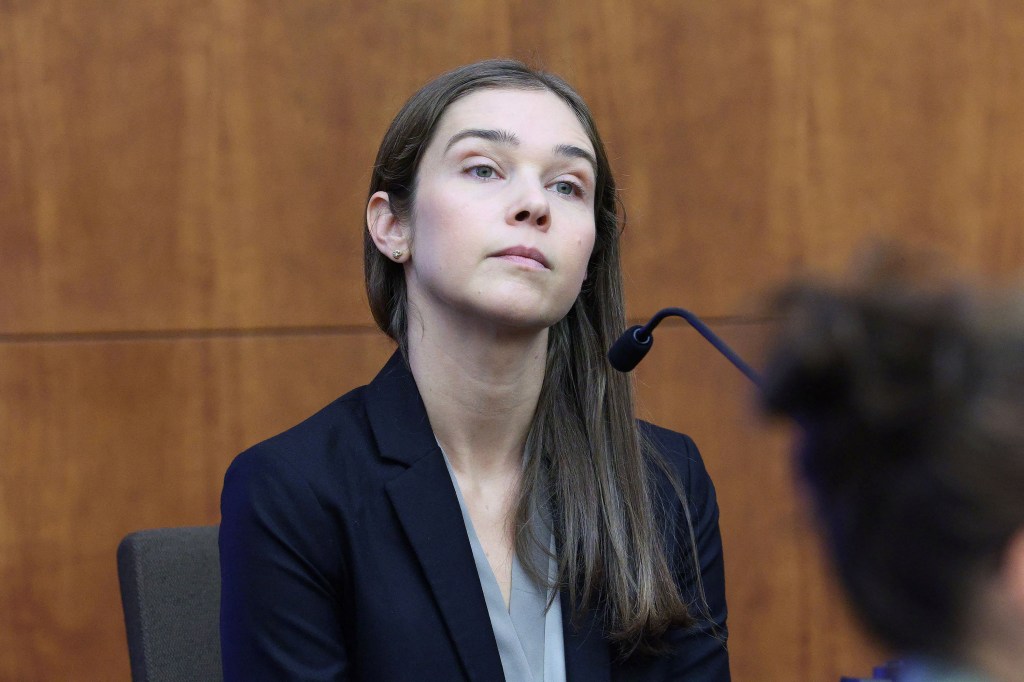
Lindsay Clancy’s deadlocked murder trial has handed her unexpected leverage in a separate bid to squeeze a seven-figure settlement from the doctors she blames for her children’s deaths.
Clancy, 36, the Duxbury, Massachusetts mother accused of strangling her three young children in January 2023, saw her criminal case end with a hung jury last Friday after eleven of twelve panelists leaned toward finding her not criminally responsible by reason of insanity. Several jurors have since spoken publicly about their doubts regarding the prosecution’s case, revelations that legal experts say could fortify her position in pending civil litigation against multiple hospitals and physicians.
“It is like a leverage play when you are negotiating or mediating,” said Seth Zuckerman, a New York attorney who handles both criminal and civil matters. “It is a case to say, look jurors have already heard this evidence and thought that the hospital was wrong and misdiagnosed her. And 11 out of 12 were prepared to find her not guilty because of this defect, which means basically that they did not think that the medical providers did the right thing by her.”
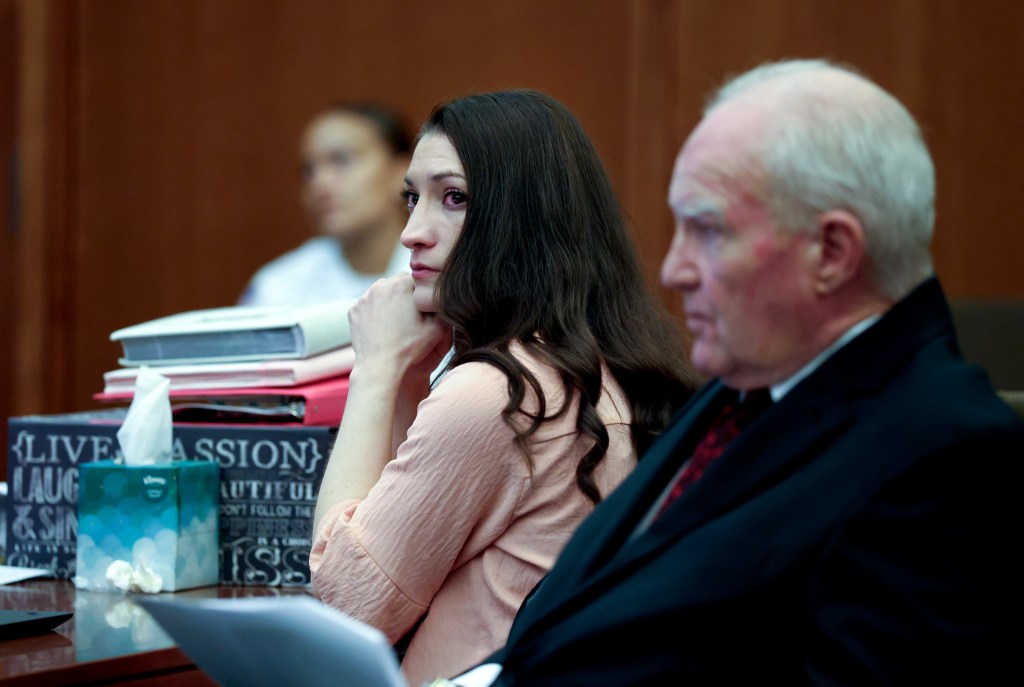
Zuckerman added that this dynamic proves persuasive when confronting defense attorneys or insurance carriers. “You already have some anecdotal knowledge from a juror as to what they thought of this,” he continued.
The civil lawsuits, filed by Clancy and separately by her then-husband Patrick Clancy, target hospitals, doctors and other providers who treated her in the four months preceding the killings. Her complaint alleges they failed to properly diagnose her deteriorating mental state and instead cycled her through powerful psychiatric medications, ultimately contributing to the deaths of Cora, 5, Dawson, 3, and Callan, 8 months, on Jan. 24, 2023. Clancy attempted suicide after the killings.
Medical malpractice attorney Doug Burnetti told The Post that Clancy’s civil team probably “feels emboldened to some extent” following the criminal trial’s outcome. He estimated any settlement could potentially reach millions of dollars.
The criminal proceedings also erect procedural barriers favoring Clancy’s civil posture. Until her criminal case fully concludes, she cannot be compelled to sit for deposition by lawyers representing the hospitals and doctors she is suing.
“She still has a Fifth Amendment right to not say anything,” attorney John W. Day explained. “And so what happens sometimes is judges say, ‘All right, the lawsuit can proceed, but if you want to take her sworn deposition, that has to wait until there is no chance of any criminal prosecution.’ That could be a long time.”

At her criminal trial, Clancy’s attorney Kevin Reddington pursued a defense centered on severe postpartum psychosis exacerbated by psychiatric medications. Three jurors revealed in an interview with NBC 10 Boston that they found the prosecution’s presentation “harsh” and noted the absence of any witnesses characterizing Clancy as a bad mother, leading them to conclude she simply “snapped.” Another panel member said Boston that prosecutors “did not have a figurative smoking gun” and that the case contained “too much gray area.”
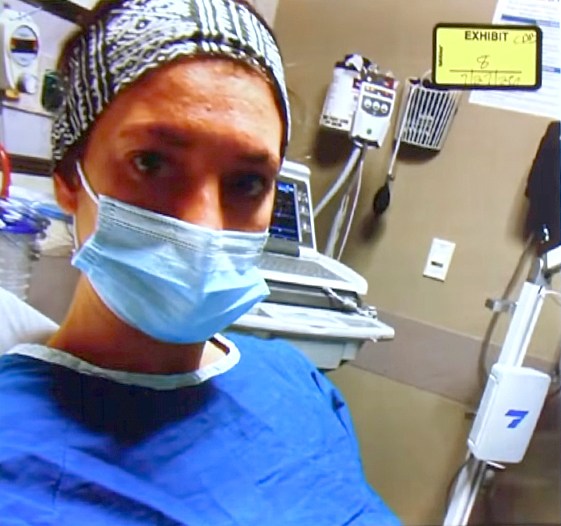
Dr. Jennifer Tufts, a psychiatrist who met with Clancy more than a dozen times before the tragedy, emerged as a pivotal figure in both arenas. Clancy’s lawsuit claims Tufts failed to diagnose bipolar disorder and prescribed an SSRI drug that can worsen symptoms for patients with that condition. Tufts testified for two days during the criminal trial, enduring what observers described as blistering cross-examination by Reddington.
Burnetti speculated that Reddington may have been acutely aware Tufts would likely face deposition and testimony in the civil case, potentially motivating his exhaustive cross-examination strategy. Her criminal trial testimony could also be deployed to catch inconsistencies in any subsequent civil appearance.

The saturation media coverage surrounding the trial presents another complicating factor for any future civil jury selection. “There is going to be an impact because if you have heard of it, you have formed some opinion one way or the other,” Burnetti observed. “Even if you stand up in front of the judge and say, ‘Well, I have heard about it, but I have no opinion.’ That is hard to believe fully because everybody has their built-in biases.”
Burnetti cautioned that medical malpractice cases of this nature remain difficult to prove at trial. Defendants need only demonstrate they provided the “standard of care, which is not perfection.”
“If the defendants can prove by a preponderance of evidence that they met the standard of care, even though the outcome was horrible, the jury could find a way to rule in their favor,” he elaborated.
Clancy’s criminal case ended with prosecutors announcing they intend to retry her on the murder charges.