

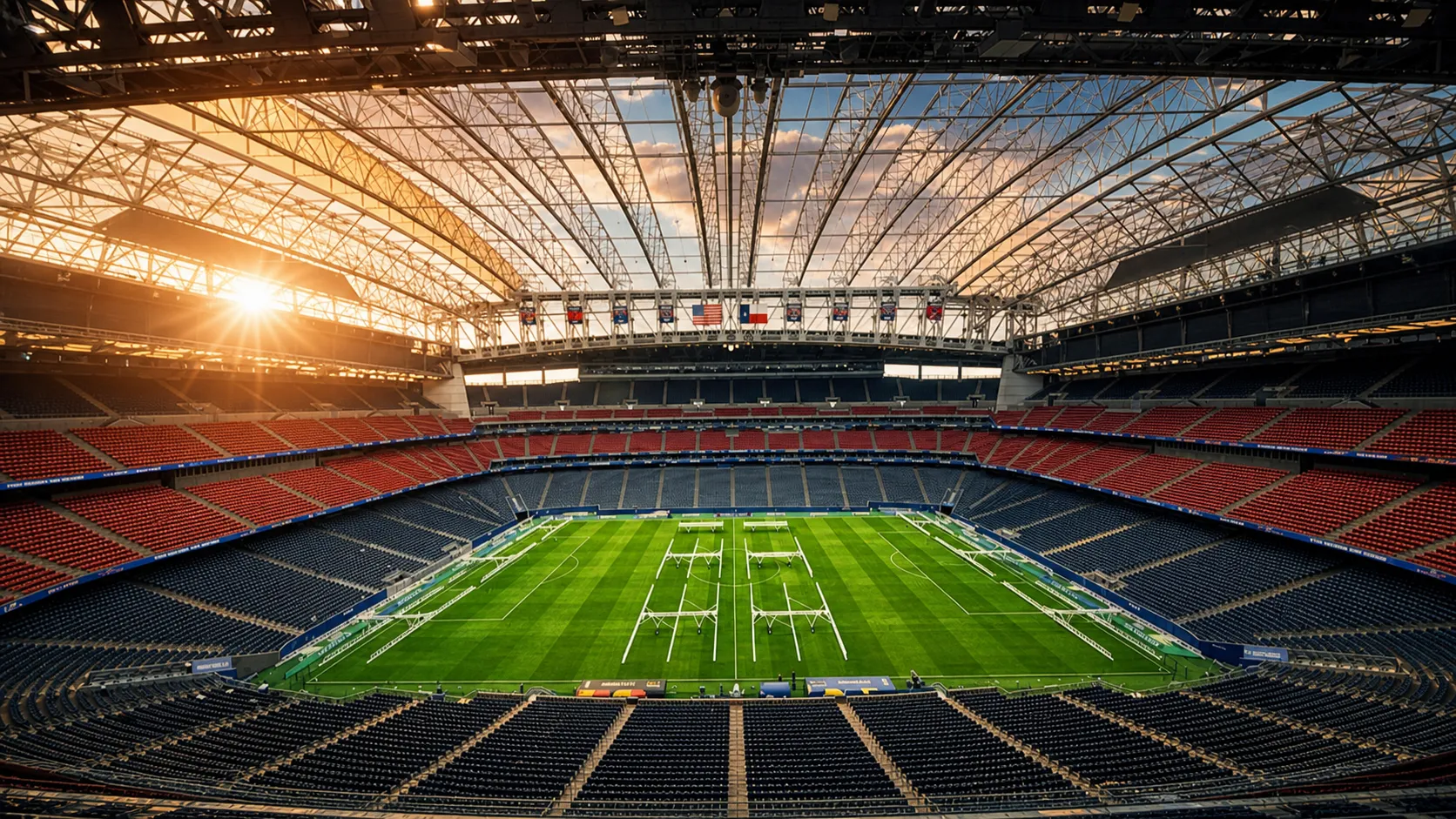
With the 2026 FIFA World Cup now underway, stadium safety has become a major talking point as fans prepare for packed arenas, strict entry checks and detailed prohibited-items rules.
The 2026 tournament is the biggest World Cup ever staged, with 48 teams playing 104 matches across 16 host stadiums in Canada, Mexico and the United States.
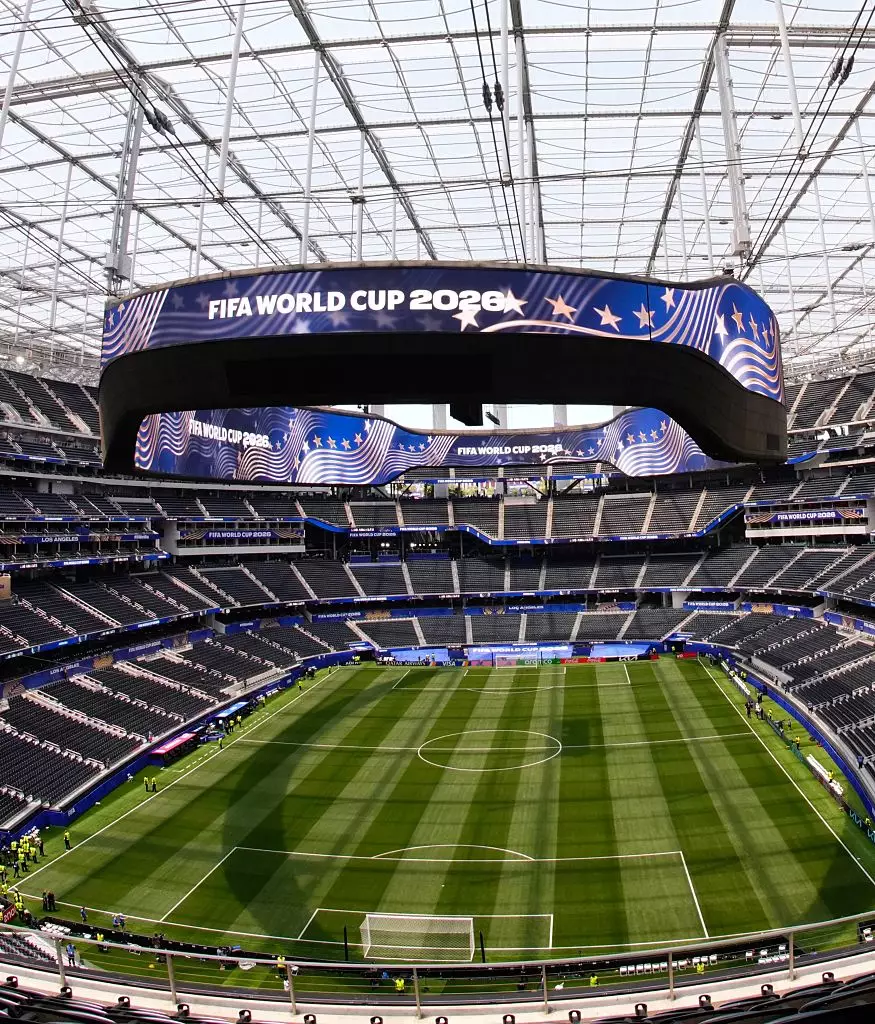
It is also being played in some of the largest venues in North America. FIFA’s final capacity list confirmed that Dallas Stadium, home to AT&T Stadium in Arlington, Texas, will hold 70,649 spectators for World Cup matches, while MetLife Stadium in New Jersey is set at 80,663 and Mexico City’s stadium at 80,824.
That scale brings added pressure on organizers. FIFA’s fan-safety guidance says stadiums will operate with security screening, a strict no re-entry policy and, at many venues, clear bag rules designed to speed up entry and reduce risks.
Given the size of the crowds, attention has naturally turned to what would happen if one of those packed stadiums had to be emptied in an emergency.
Corey Pollard, a lawyer and managing partner of Corey Pollard Law, said the process can vary depending on the design of the ground and the reaction of the people inside it.
“The evacuation of a 90,000-seat stadium depends on a variety of factors: the layout of the stadium, the circumstances, the exits, but most importantly, the behavior of the crowd and whether they will follow instructions,”
“The aim is always to transport people to safety as quickly as possible. That sometimes needs to be done slowly to prevent being trampled down by the crowd.”
He said that emergency planning can involve several agencies working together at once.
“In some stadiums, this involves communicating with the police, fire department, medical, and transportation officials; clearing the path for other spectators; opening routes and directing people to multiple exits; and sometimes holding people back temporarily.”
Pollard also stressed that uncontrolled movement among supporters presents the biggest danger during an evacuation.
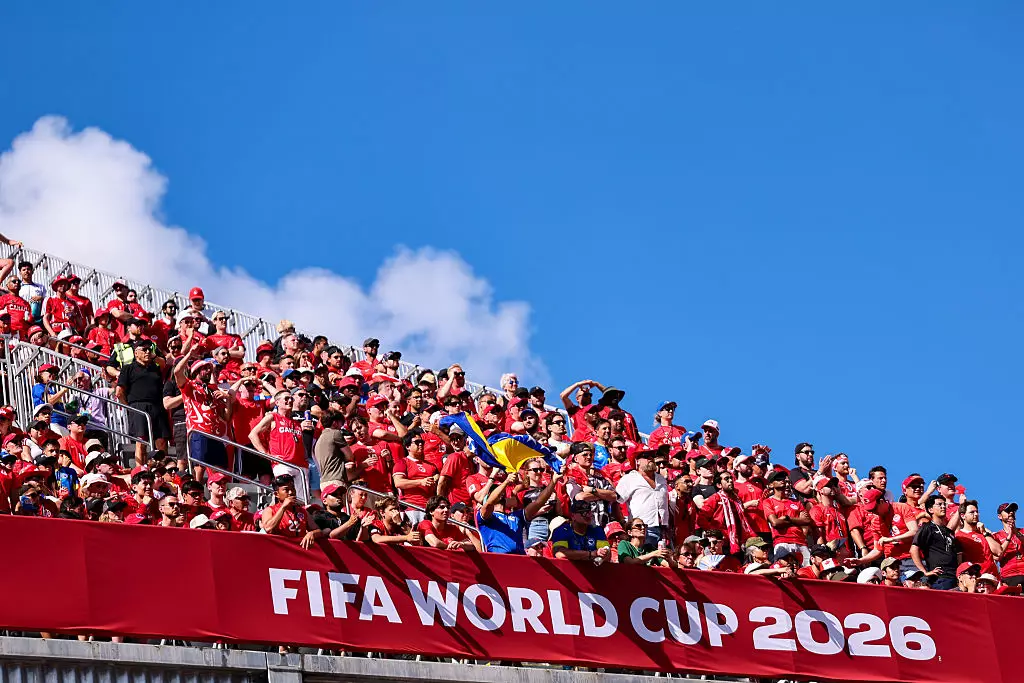
“When people are all panicking, it’s not possible to make a proper evacuation.
“It must be transparent and under control. Good safety planning means no one is in a hurry for the exit.”
He added that spectators need clear guidance, visible staff, and open escape routes if venues are to be emptied safely.
Pollard said fans must be ‘told what to do, where staff are, and the routes need to be accessible’.
FIFA’s own stadium guidelines say evacuation systems should not rely on emergency services alone and that spectators should be able to reach a protected free-flowing route in no more than eight minutes, unless local regulations require something different.
Alongside those safety concerns, FIFA has already published prohibited-items guidance for the tournament. On its fan-safety page, the organization says banned items include weapons, explosives, detonators, work tools, helmets, lighters, matches, smoke bombs, spray cans and other objects that could compromise safety.
The list also covers items that could be used as weapons, including beach umbrellas, motorcycle helmets and hard hats, and FIFA says final decisions on whether an item is allowed rest with event organizers and stadium authorities.
For anyone hoping to attend matches in person, the overall cost of following the tournament is also substantial, with accommodation, tickets and food all carrying a hefty price tag.
NBC examined hotel prices by taking the average cost of the five cheapest properties within 15 miles of each stadium late last month.
Supporters traveling to Los Angeles for matches there were looking at hotel prices well above normal seasonal levels, while fans heading to Seattle for group-stage games were also facing elevated room rates.

Match tickets themselves are another major expense, with resale and official ticket markets both reflecting heavy demand for the first FIFA World Cup to be staged across three countries.
And once fans are inside the stadium, food and drink prices may add even more to the final bill.
Costs seen at a recent warm-up game between England and New Zealand at Raymond James Stadium in Tampa, Florida on Saturday (6 June) could offer a preview of what supporters may face during the World Cup.
At that match, a large beer was advertised at $18.75, while a bottle of water was priced at $7.50.
According to Football Ground Guide, a standard meal and a beer at SoFi Stadium in Los Angeles, where the USA will play its first and third group-stage matches, comes to $32.24.
At Seattle’s Lumen Field, where the US will face Australia, the same order is listed at $26.88.