

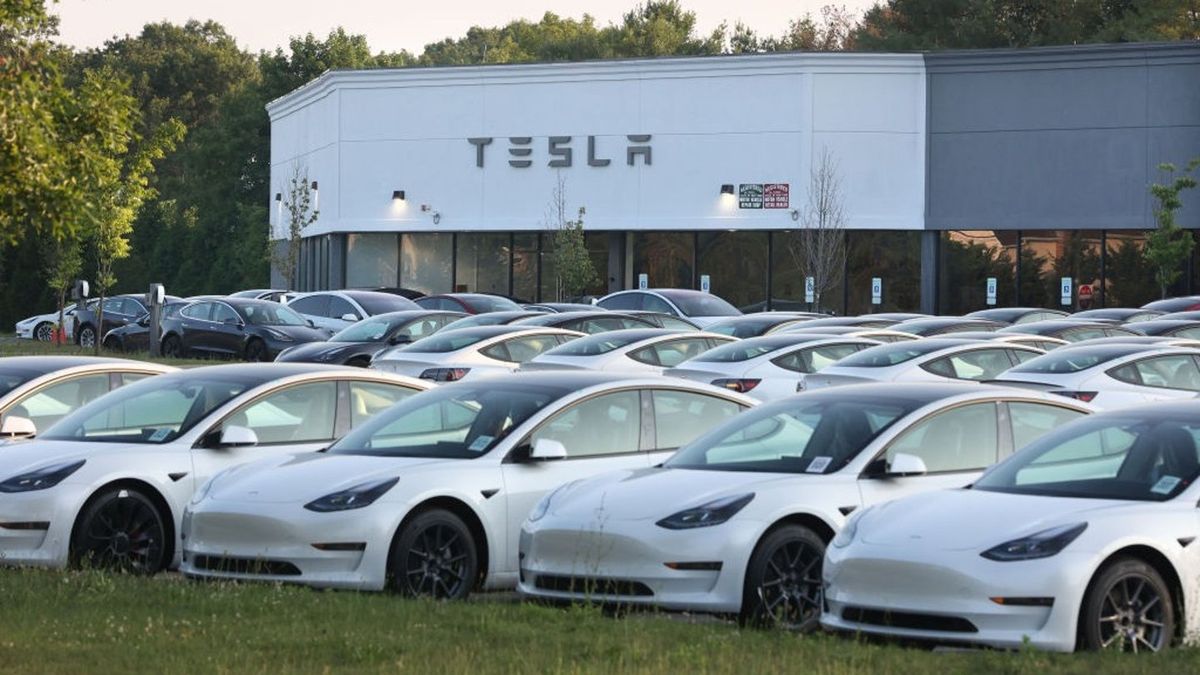
With fuel costs climbing amid the escalating Iran conflict, Americans may be able to cut their driving bills by switching to electric vehicles.
The US and Israel launched strikes against Iran on February 28, killing the latter’s Supreme Leader Ayatollah Khomeini.
Iran has since responded with attacks aimed at US bases across the Middle East.
On the US side, defense officials have reportedly put the cost of just one week of fighting at $6 billion.
As the situation intensifies, oil markets have also reacted — and higher crude prices tend to flow through to what drivers pay at the pump.
This week, Brent Crude saw one of its sharpest one-day surges in history, briefly jumping to $119 per barrel before pulling back somewhat, after Saudi Arabia, Iraq, Bahrain and Kuwait reportedly reduced production.

One key flashpoint for traders is the Strait of Hormuz, a vital maritime corridor for global energy shipments.
An estimated 20 to 30 percent of the world’s oil and gas moves through the narrow channel, supporting everything from electricity generation and transportation to fertilizer production for agriculture.
With security risks rising in the area — including concerns around drone activity — shipping volumes through the strait are under strain, tightening supply and pushing prices higher.
Against that backdrop, drivers of electric vehicles such as Teslas could be keeping more money in their pockets, potentially saving about $30 per “fill-up equivalent” compared with gasoline vehicles right now.
Based on current figures, the average cost to fill up a car in the US is between $49 and $52, according to the AAA.
Using the midpoint, that comes to around $50.50 per tank.
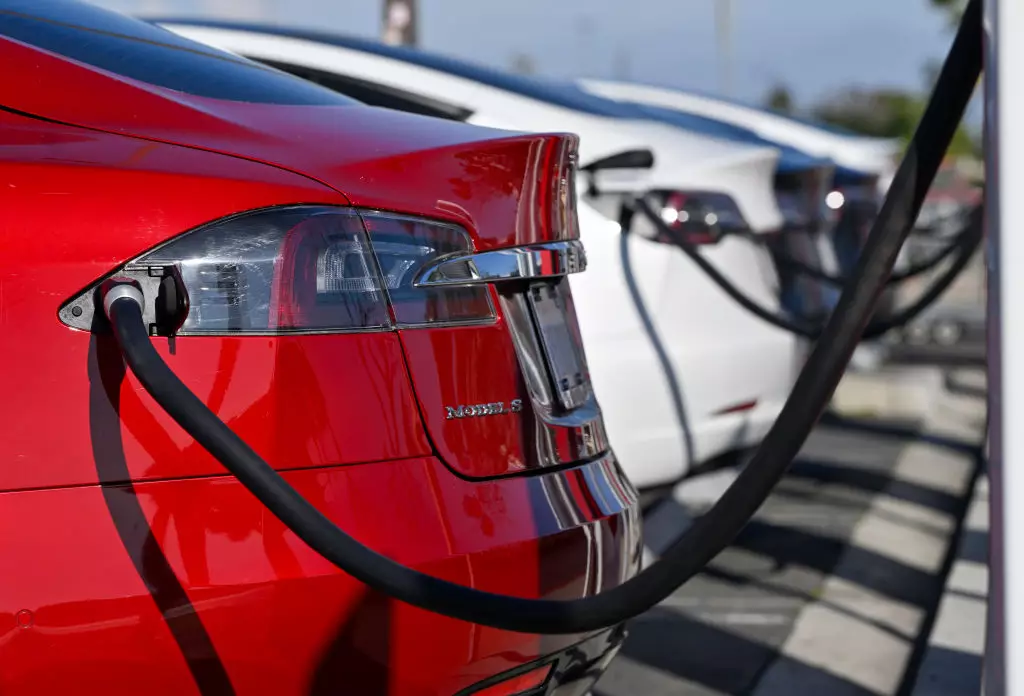
Charging an EV at home, however, can be far cheaper. Energy Sage data suggests a full home charge for a Tesla costs about $20.
In terms of distance, many gasoline cars travel roughly 350 to 450 miles per tank (about 400 miles on average), while a Tesla can cover around 303 to 405 miles per charge, averaging close to 354 miles.
That means gasoline cars may edge ahead on range in some cases, but the price difference per “full tank” remains substantial.
At today’s averages, the savings work out to about $30 each time an EV driver charges at home instead of buying a full tank of gas.

Looked at another way, gasoline comes out to roughly 12.6 cents per mile, versus about 5.6 cents per mile for a Tesla charged at home.
That’s a gap of around 7 cents per mile.
Exact savings will depend on the vehicle, electricity rates, and local gas prices, but at the moment many American EV drivers are spending about $30 less each time they power up compared with filling up at the pump.