

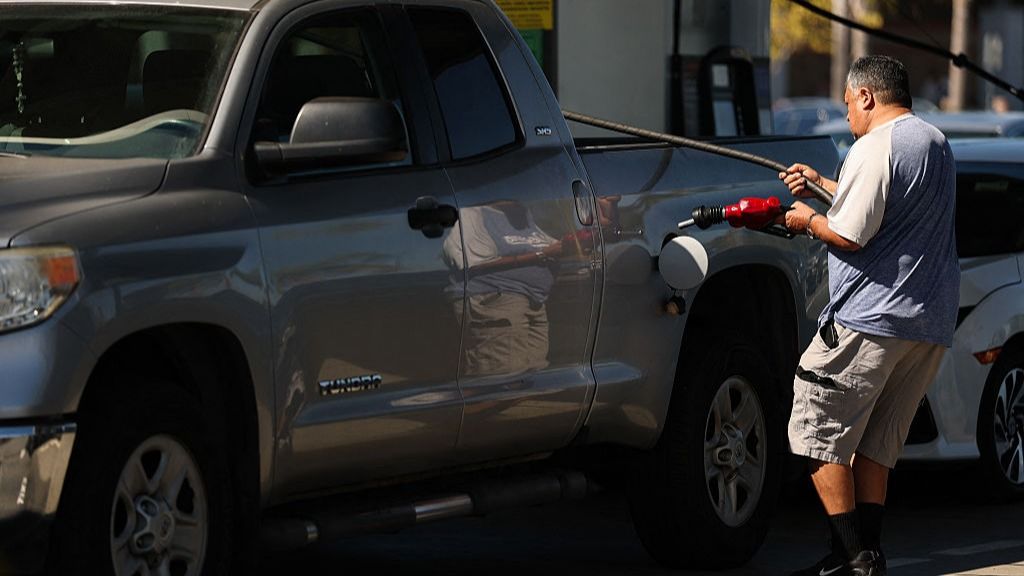
US motorists may soon feel a bigger hit to their wallets, with pump prices climbing past $3 a gallon as tensions involving the US, Israel and Iran jolt energy markets.
After four straight weeks of gains, US West Texas Intermediate crude spiked more than six percent to $71.19 a barrel on Monday (March 2), according to FactSet data cited by CBS News.
Brent crude also surged, rising nearly nine percent to $79.31 a barrel and reaching levels not seen in over a year.
Analysts are warning the jump could quickly filter down to the forecourt, with some locations potentially lifting prices by as much as 30 cents per gallon before the end of the week.
GasBuddy petroleum analyst Patrick De Haan said:
“In the week ahead, gasoline prices are likely to face heightened upward pressure as seasonal trends continue and markets navigate this evolving geopolitical landscape.
“Most drivers should prepare for gradual increases this week. Low-priced stations will likely move first and more visibly.”
Posting on X (formerly Twitter), De Haan wrote:
“The most commonly encountered gas price today in the US is $2.99/gal, while the most common diesel price is $3.99/gal.
“We’ll likely see both of those rolling over $3/$4 respectively quite soon.
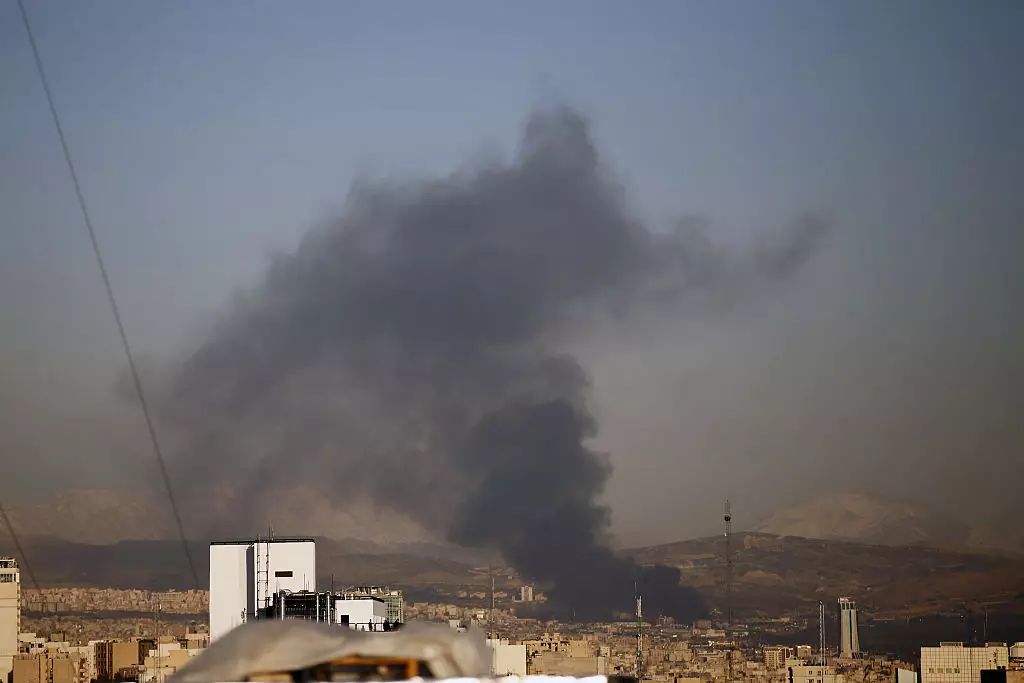
The rise comes as hostilities escalated after Donald Trump’s administration and Israel launched strikes against Iran on February 28, which killed the country’s Supreme Leader, Ayatollah Ali Khamenei.
Iran responded with a series of counterattacks aimed at Israel, US bases in the region, and both military and civilian locations in Arab nations that host American forces.
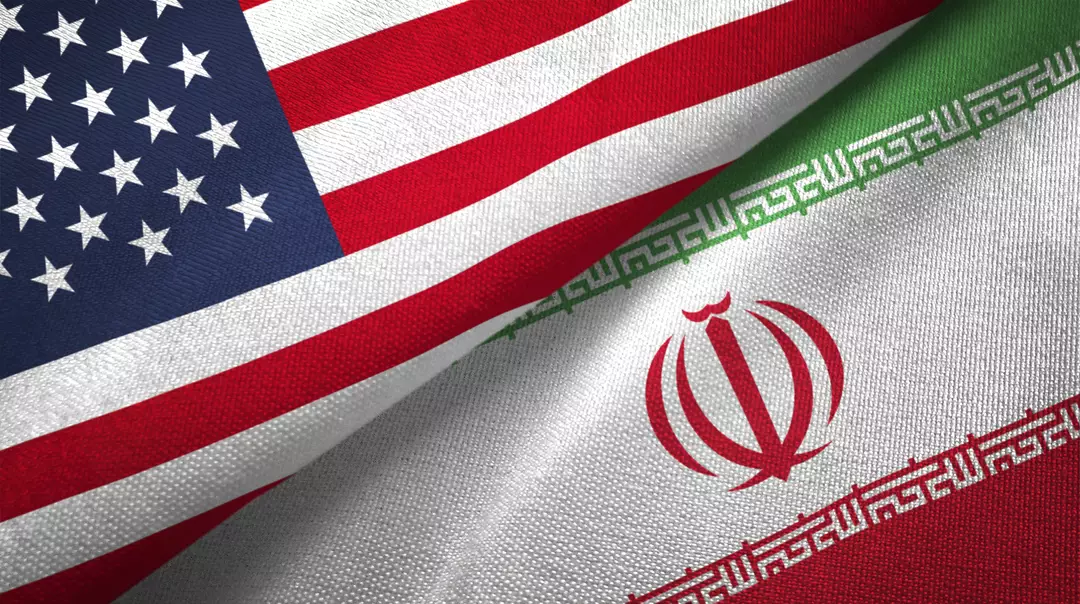
With the US and Israel now carrying out operations against Iran focused on nuclear sites, military networks and senior figures, here is a brief timeline of how tensions between Washington and Tehran developed.
In August 1953, British and American intelligence agencies coordinated a covert effort known as Operation Ajax to remove Iran’s nationalist prime minister, Mohammad Mosaddegh. The goal was to preserve access to inexpensive oil and block communist influence.
This intervention helped stoke long-lasting anti-American sentiment across Iran.
In 1957, the US supported Iran’s pursuit of civilian nuclear energy through President Dwight D. Eisenhower’s ‘Atoms for Peace’ initiative.
In 1968, both countries were among the first to sign the Treaty on the Non-Proliferation of Nuclear Weapons, which later took effect in 1970.
Although ties appeared relatively steady during the 1970s, unrest inside Iran grew and culminated in the 1979 Islamic Revolution.
Around that period, the exiled Shah Mohammed Reza Pahlavi was allowed into the US for cancer treatment. His arrival enraged Iranian students who felt he had avoided accountability.
In November, they seized the American embassy in Tehran, holding 52 Americans for more than a year while demanding the Shah be sent back to Iran to stand trial.
After a failed rescue attempt in April 1980 that left eight US servicemen dead, President Jimmy Carter severed diplomatic relations with Iran — ties that have not been formally restored.
That same year, Iraq invaded Iran, igniting a brutal eight-year war that killed hundreds of thousands on both sides.
During the conflict, the US supported Iraq with funding, training and technology.
The embassy hostages were held for 444 days and were released in January 1981, minutes after Carter’s term ended and President Ronald Reagan took office.
In 1984, Washington designated Iran a state sponsor of terrorism and introduced sanctions.
Yet in 1986, the Reagan administration secretly sold weapons to Iran in an effort to secure the release of Americans held in Lebanon by Hezbollah.
Two years later, in 1988, the USS Vincennes mistakenly shot down an Iranian passenger plane over the Strait of Hormuz, killing all 290 people aboard.
In 1995, sanctions were expanded to include an oil embargo and restrictions on US trade. The following year, President Bill Clinton signed the Iran and Libya Sanctions Act, which penalised non-US firms investing more than $20 million per year in Iran’s oil and gas industry.
In his 2002 State of the Union address, President George W. Bush labelled Iran — alongside North Korea and Iraq — part of an ‘axis of evil’.
The remarks triggered anger in Iran, particularly given Tehran’s cooperation with the US against the Taliban in Afghanistan after the September 11 attacks.
In September 2013, President Barack Obama spoke by phone with Iranian President Hassan Rouhani to ‘offer a new chapter of engagement on the basis of mutual interests and mutual respect’.
Two months later, Iran, Germany and the five permanent UN Security Council members (China, France, Russia, the UK and the US) reached an interim pact known as the Joint Plan of Action, intended to lower tensions and confirm Iran’s nuclear work would remain peaceful.
In 2015, that framework was broadened into the Joint Comprehensive Plan of Action (JCPOA), under which Iran agreed to curb its uranium stockpile.
In 2018, during Trump’s first term, the US pulled out of the JCPOA — a move he said honoured a campaign promise, calling it the ‘worst deal ever’.
His administration reinstated sanctions that had been eased under the agreement and adopted a ‘maximum pressure’ approach aimed at driving Iran’s oil exports to zero.
In 2019, the US formally designated the Islamic Revolutionary Guard Corps — Iran’s most powerful military body — as a terrorist organisation.
After President Joe Biden took office in 2021, indirect discussions with Iran resumed but produced limited progress.
In 2023, a prisoner swap led to the release of five detainees and included a sanctions waiver allowing banks to move $6 billion in frozen Iranian assets from South Korea to Qatar for humanitarian use — a step that drew sharp criticism from Republican lawmakers.