

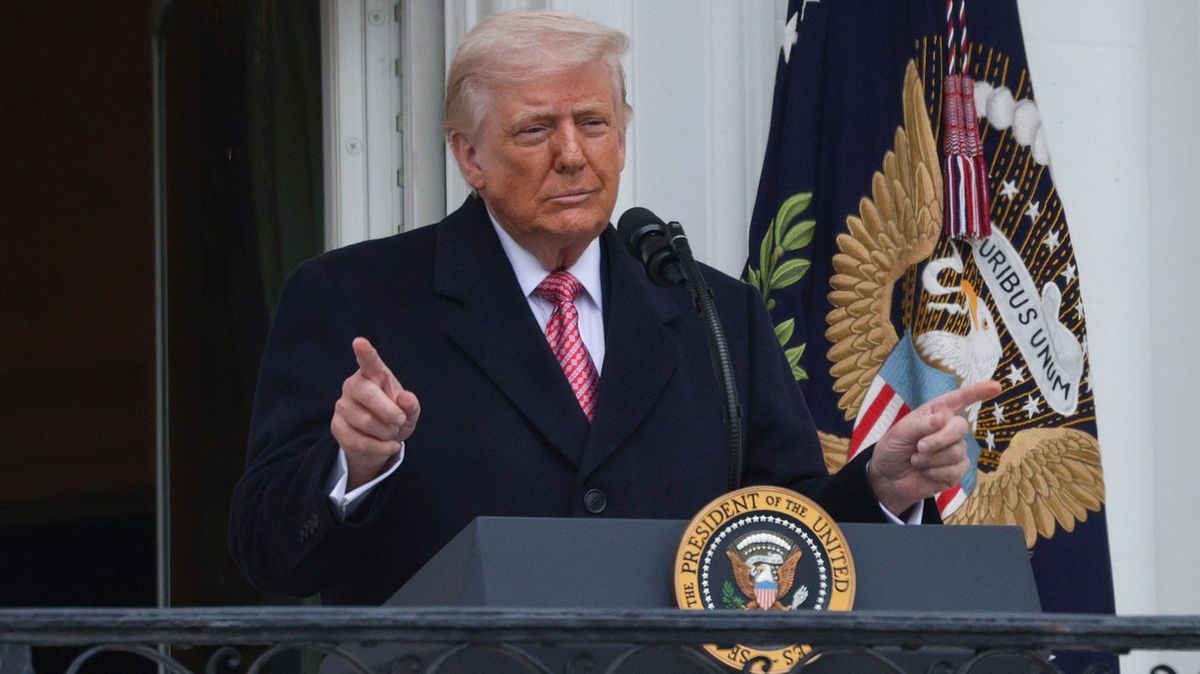
Here’s how NATO could try to fill the gap if the US stepped away from the alliance, after Donald Trump said he’s “strongly considering” withdrawing.
NATO was set up in the years following World War II as a collective security pact, bringing together countries including the UK, Belgium, Canada, Denmark, France, Iceland, Italy, Luxembourg, the Netherlands, Norway and Portugal.
The United States is widely seen as central to the alliance, not least because it covers 15.8 percent of NATO’s annual budget, reported at $3.5 billion.
Beyond funding, the US presence on the ground is significant too, with an estimated 80,000 to 100,000 American troops stationed across Europe — underlining how much NATO’s current posture depends on Washington.
But Trump has long expressed skepticism about the bloc, and he recently suggested he is “considering” leaving it entirely.
That raises a major question: if the US did pull out, what would NATO members do to compensate?
According to the Financial Times, European countries would likely need between five and ten years of higher defence spending to reach a point “where they could replace most US competences”.
The report adds that European governments are working on contingency plans in case Trump follows through — focusing on a phased, managed handover that could stretch up to a decade, rather than a sudden US departure.
Discussing the scale of what would be required, a source told the Financial Times: “Increasing spending is the only play that we have: burden sharing and shifting the dial away from US reliance.
“We’re starting those talks but it’s such a big task that many are overwhelmed by the scale of it.”
Whether Trump’s warning turns into actual policy remains unclear, but the remarks are likely to have intensified concerns among senior NATO officials about the alliance’s long-term stability.
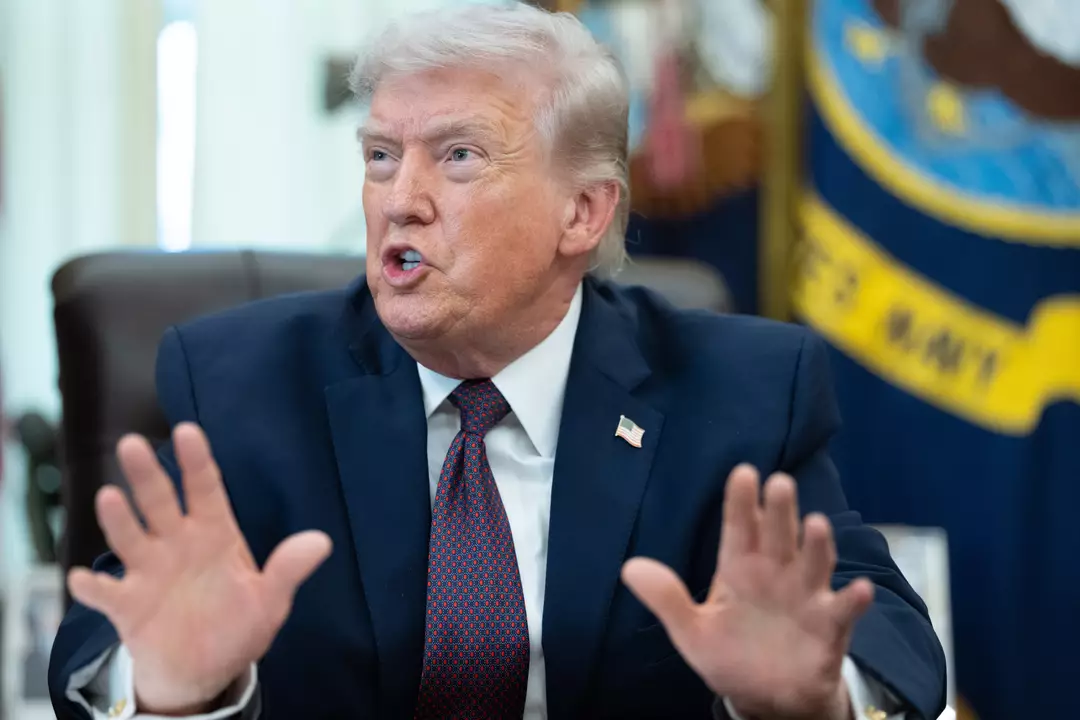
Trump was asked by the Telegraph whether he intended to pull the US out of the bloc, and replied: “Oh yes, I would say [it’s] beyond reconsideration… I was never swayed by NATO. I always knew they were a paper tiger, and Putin knows that too, by the way.”
The wider relationship between the US and NATO has also been under strain amid escalating tensions in the Middle East, after Trump aligned with Israeli Prime Minister Benjamin Netanyahu in a war in Iran.
On Tuesday (March 31), Trump addressed countries facing fuel pressures after the Strait of Hormuz was shut, telling them to “build up some delayed courage, go to the Strait, and just TAKE IT”.
The vital oil-shipping corridor has remained closed since the joint US-Israel strike, contributing to shortages and pushing energy prices higher around the world.