

Many people are reacting to a surprising change some users notice after starting GLP-1 medications: a shift in how certain areas of the body look following fast weight loss.
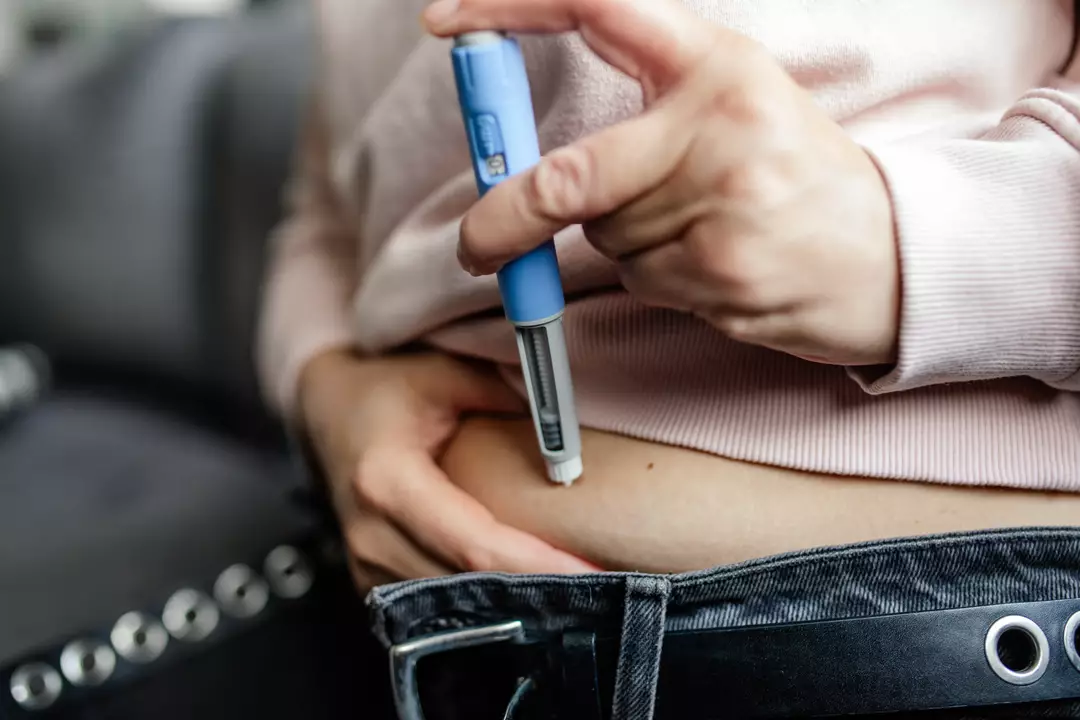
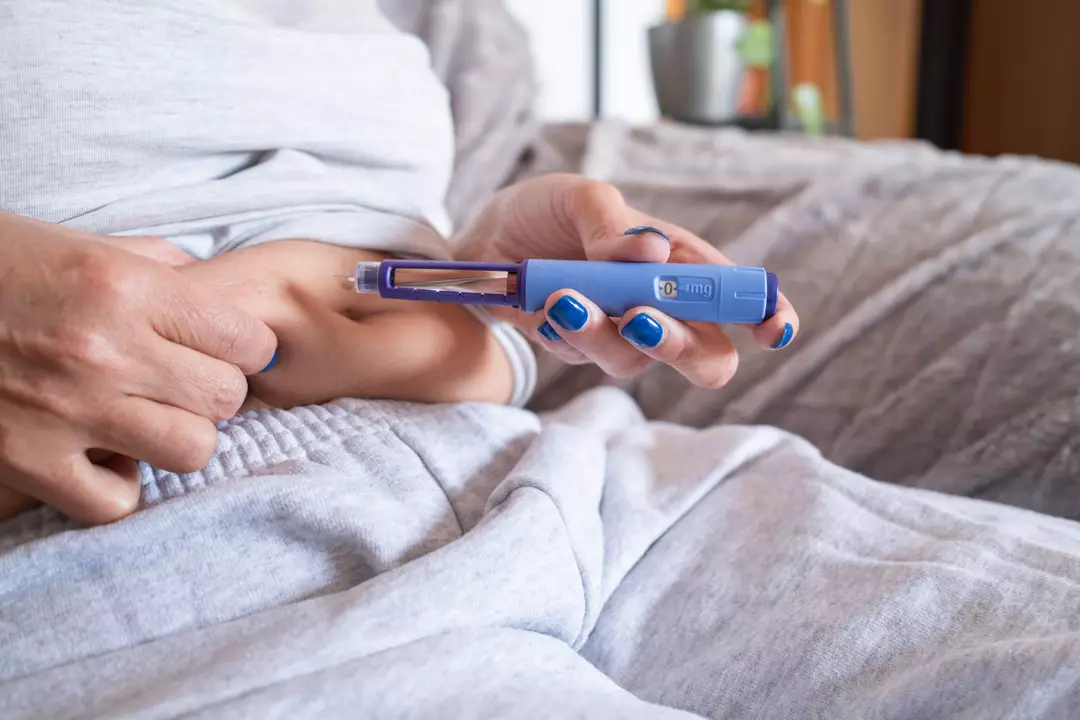
GLP-1 drugs were first approved to help manage diabetes, but they’re also known for increasing feelings of fullness. For some people, that effect—along with diet and exercise—can support significant weight loss.
But when weight comes off quickly, the body doesn’t always “catch up” at the same pace, and that can lead to outcomes some didn’t expect.
For most people, weight gain tends to happen gradually rather than all at once. Over time, your body adapts to that added mass, including changes to fat distribution, muscle, and how your skin stretches to accommodate a larger shape.
When the weight then drops rapidly—whether through medication or other methods—those same areas can look different. Skin that expanded may not tighten immediately, and fat and muscle loss can alter contours.
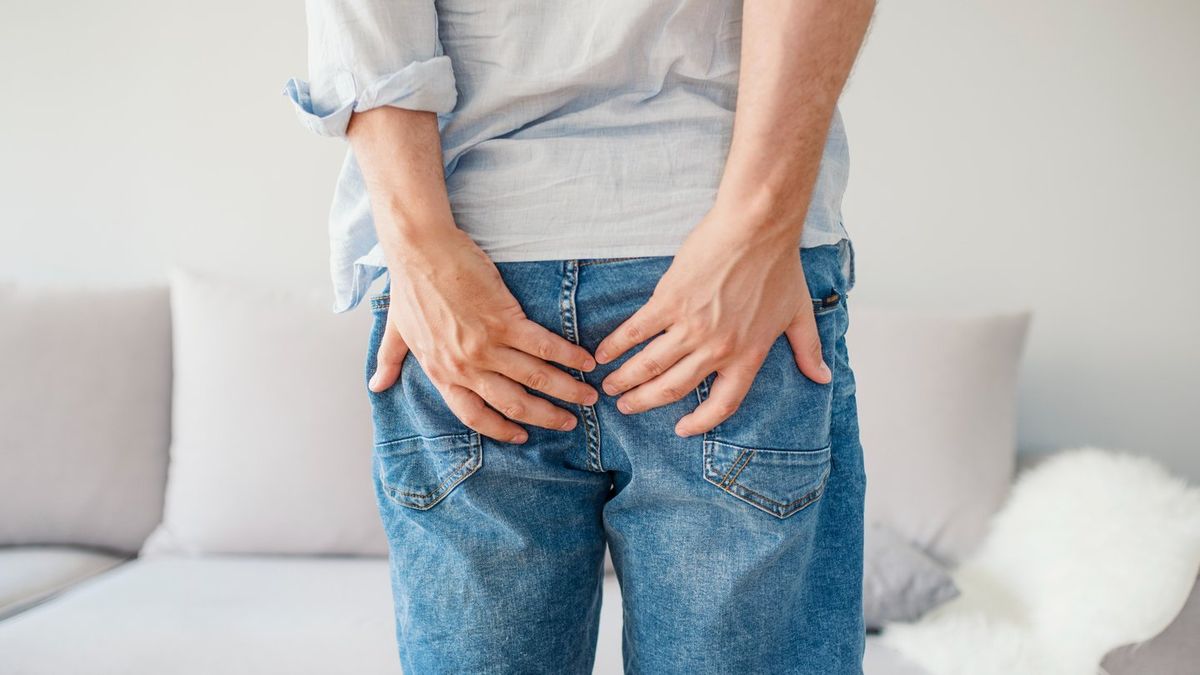
This is where the informal phrase “Ozempic Butt” has come from, though the change isn’t exclusive to a single GLP-1 drug.
As Cleveland Clinic notes, it isn’t a medical diagnosis and isn’t considered a condition linked only to GLP-1 medications—it’s a description people use for a common effect of weight loss.
Some individuals report that their buttocks appear flatter, looser, smaller, or simply different in shape after losing weight.
Dr W. Scott Butsch, who specializes in weight management, said: “The public term ‘Ozempic butt’ may be a result of what we see with weight loss in general.
“When somebody loses weight – whether that’s with diet changes, an increase in physical activity, medication or bariatric surgery – we know there’s a reduction in fat mass, as well as a reduction in muscle mass. Your body doesn’t need to carry that previous weight, so there’s a shrinking of the muscle.”
Skin can also be affected because it may now be covering a smaller surface area. That can leave a person with looseness or excess skin in places like the arms, abdomen, and buttocks.
So what can you do to reduce the chances of it happening?
Cleveland Clinic suggests that slower, steadier weight loss can help, since it gives the body more time to adjust to changes in mass and shape.
Strength training that targets the glutes may also help by building muscle and improving tone, and adequate protein intake supports muscle maintenance during weight reduction.
Hydration matters too: drinking enough water supports overall health and may help maintain skin elasticity.
Online, some people who use GLP-1 medications have shared personal accounts of dealing with “Ozempic Butt.”
One described an unanticipated issue: sitting became less comfortable because there was less natural padding.
“Ever since I lost all the weight thanks to ozempic I have no fat on my butt. By the time I get through most of the day at the office, my butt is killing me.”
“I’m just trying to laugh at myself because of the absurdity!”
Another person said they wanted to keep their existing curves while still improving fitness and tone.
“Im a naturally curvy girl and have always had a bigger butt. I like my figure I just want to tone up. I just want to know if there’s anything I can do to keep a big butt. I don’t want it to stay huge but I do want to maintain my figure as much as possible.”