

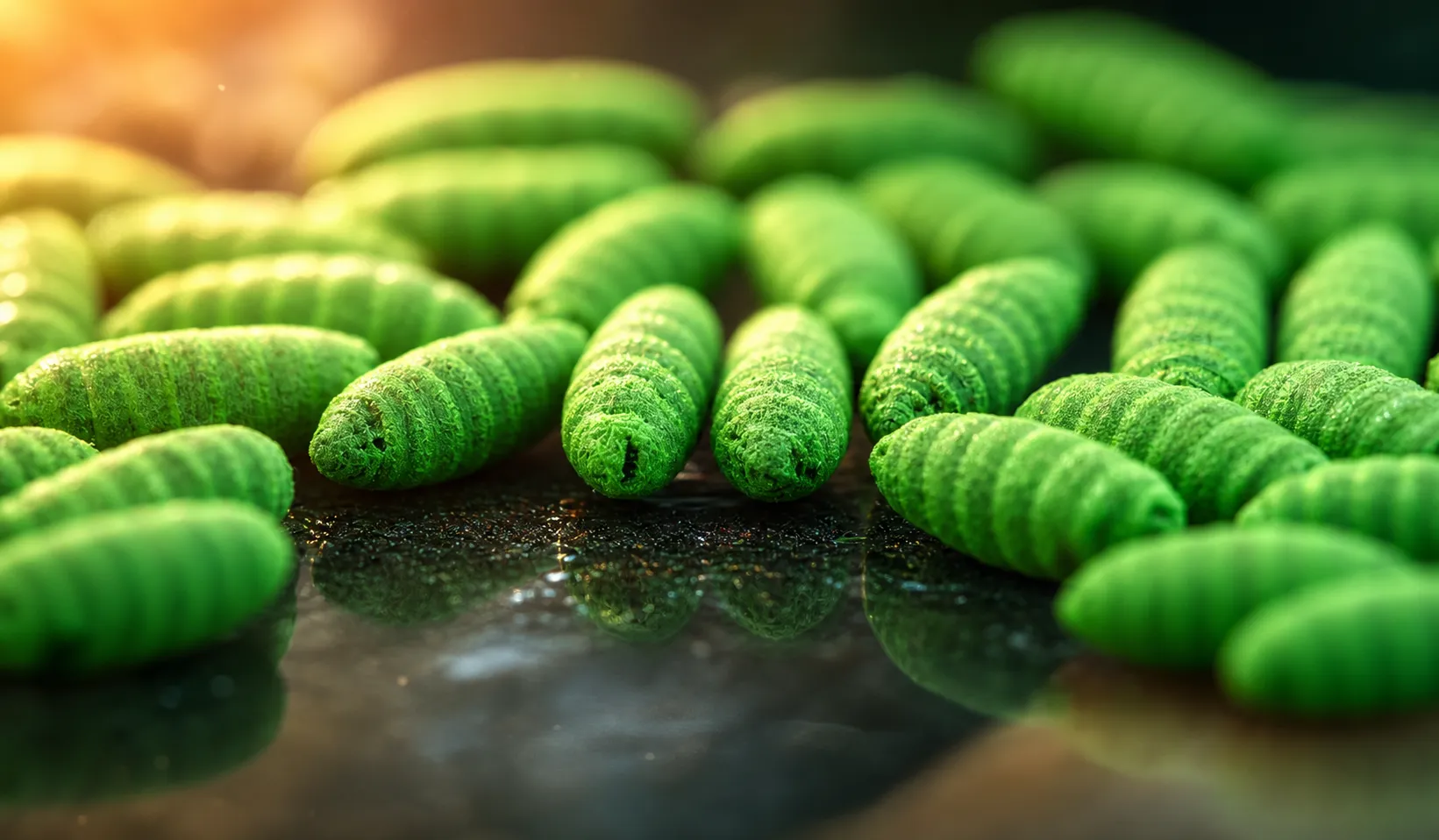
The New World screwworm fly, a parasitic pest eradicated from the United States more than fifty years ago, has reemerged as a serious threat to pets and livestock across Texas and New Mexico. With confirmed cases now affecting dogs and cats alongside cattle and other livestock, veterinarians and animal health experts are urging pet owners to take immediate precautions to protect their animals from this flesh-eating parasite.
The New World screwworm is not actually a worm but rather the larval stage of a parasitic fly called Cochliomyia hominivorax. What makes this pest uniquely dangerous is that unlike most fly larvae that feed on dead or decaying tissue, screwworm larvae consume living flesh and body fluids. The parasites can infest any warm-blooded mammal, including dogs, cats, livestock, wildlife, and in rare cases, humans. The parasite migrated north from Panama beginning in 2024, spread through Mexico in 2025, and was first confirmed in the United States on June 3, 2026, when the U.S. Department of Agriculture identified a case in a calf in Zavala County, Texas. Since then, more than 30 confirmed cases have been identified across Texas and New Mexico, including at least two dogs.
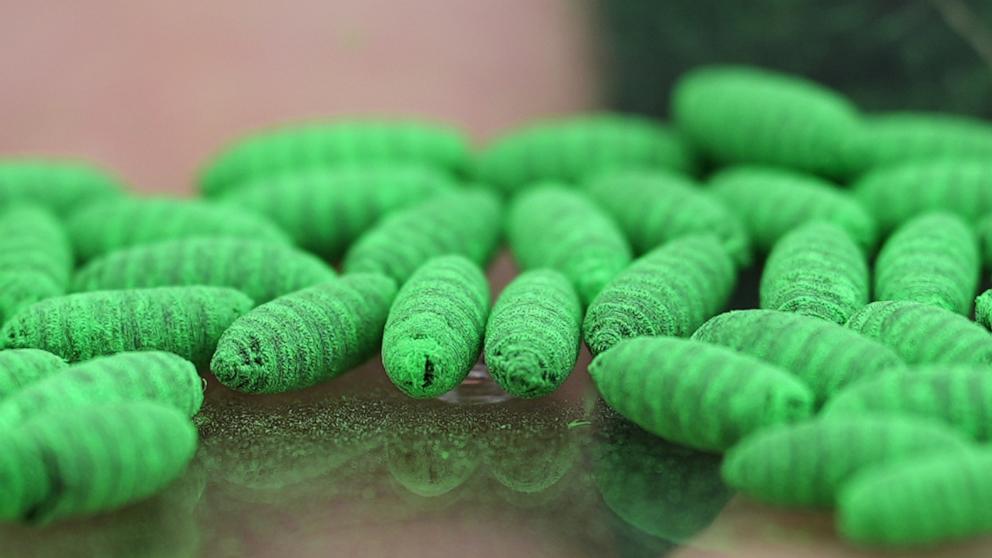
The infestation cycle begins when a female screwworm fly lays her eggs in open wounds or body openings on an animal. The eggs hatch within hours, and the larvae immediately begin feeding on living tissue. A single female can lay between 200 and 300 eggs at a time and may lay up to 3,000 eggs during her lifetime. The larvae feed for approximately one week before maturing, dropping to the ground, and continuing their development into adult flies.
Pet owners should be aware that virtually any wound can become a point of entry for screwworms. This includes minor injuries many people might overlook—tick bites, small scrapes from outdoor play, surgical incisions from spaying or neutering, and even injuries sustained during fights with other animals. Newborn animals face heightened risk due to the umbilical area. The American Veterinary Medical Association emphasizes that animals with open wounds or those who have recently undergone surgery or other medical procedures are especially vulnerable. The parasites can also invade body openings such as the nose, ears, mouth, and reproductive areas.
Pet owners in affected areas should watch their animals closely for warning signs of infestation. Symptoms include restlessness, excessive licking or biting at wounds, visible swelling, foul-smelling discharge from wounds, fever, loss of appetite, lethargy, and behavioral changes such as unusual aggression or depression. One of the most telling signs is the visible presence of maggots or movement within a wound. Any pet showing these symptoms should receive immediate veterinary care.
Preventing screwworm infestation requires vigilance and consistent wound management. Pet owners should examine their animals regularly for cuts, scratches, and other injuries, paying particular attention to areas where flies might lay eggs unnoticed, such as the ears, nose, mouth, and skin folds. Any wound should be cleaned immediately and kept covered when possible. Post-surgical incisions deserve close monitoring until fully healed. Keeping pets on year-round flea and tick prevention medication is crucial, as tick bites can serve as entry points for screwworm infestation. In areas where screwworm has been detected, reducing outdoor exposure, particularly in rural, wooded, or brush-covered areas, can lower a pet’s risk.
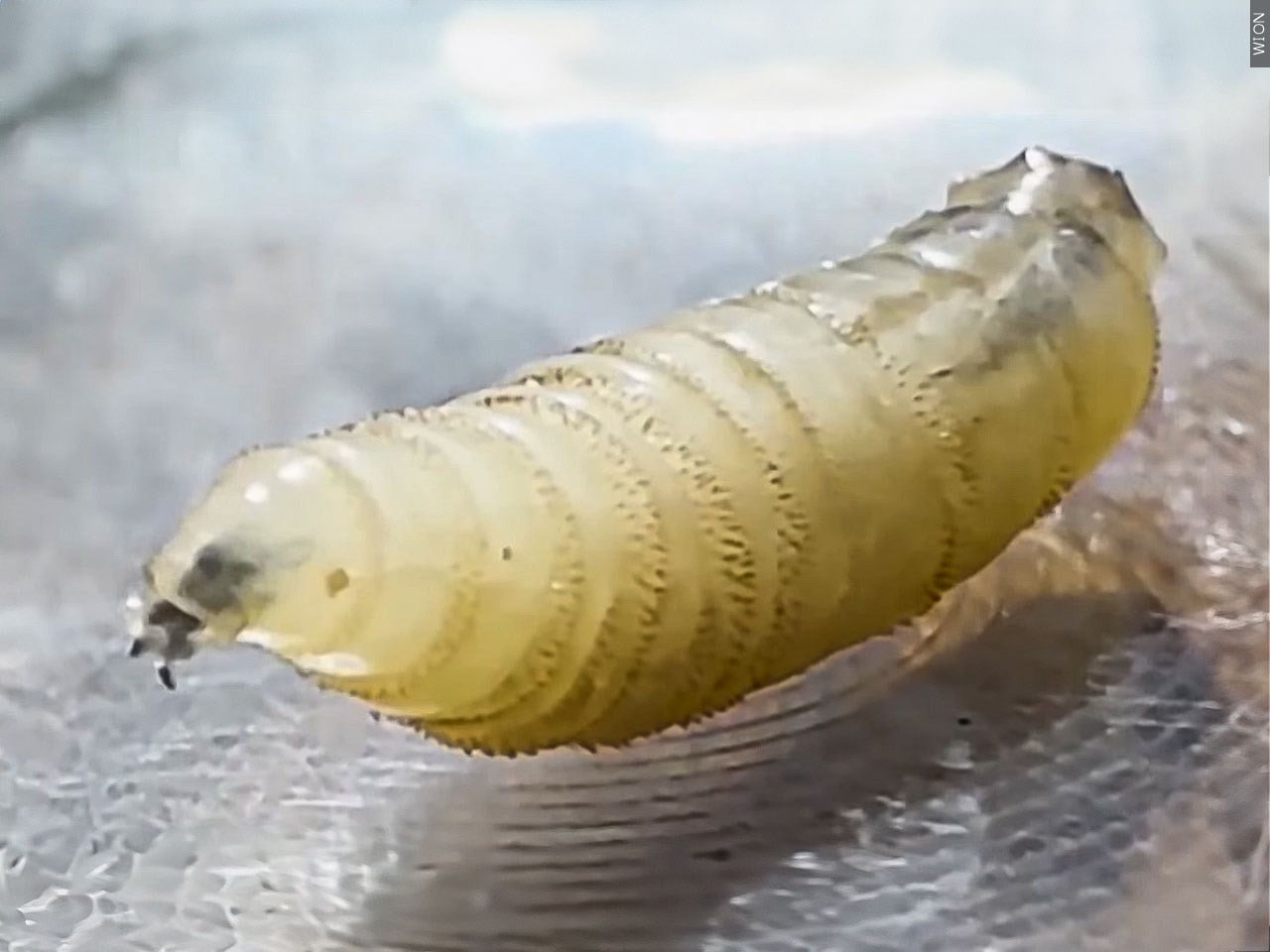
If infestation occurs, early detection and immediate veterinary intervention are critical. While screwworm infections can be fatal if left untreated, they are highly responsive to prompt professional care. Veterinarians can treat infestations by physically removing larvae, thoroughly cleaning and treating wounds, and administering antiparasitic and antibiotic medications. The prognosis is significantly better when infection is caught and treated early.
Treatment options have expanded with recent FDA authorizations. In June 2026, the FDA issued an Emergency Use Authorization for generic nitenpyram tablets, making it the first over-the-counter treatment authorized for screwworm myiasis in dogs and cats weighing at least two pounds and at least four weeks old. Nitenpyram kills most screwworm larvae within hours of administration, with a second dose typically given six hours after the first. Other antiparasitic medications, including isoxazolines such as lotilaner and fluralaner, have also shown efficacy. However, it is critical that pet owners understand that treatment must be administered by a veterinarian and may require additional wound care and removal of remaining larvae.
It is important for pet owners not to attempt to remove larvae themselves, as improper removal can drive them deeper into tissue, cause additional damage, and increase infection risk. Instead, owners should contact a veterinarian immediately upon suspicion of infestation. Veterinarians can also prescribe antibiotics to prevent or treat secondary bacterial infections that often accompany screwworm wounds.
While the risk of New World screwworm infestation remains low for most pets in the United States, awareness and preparedness are essential, especially for those living in or traveling to affected areas of Texas and New Mexico. The parasite is not contagious between animals or from animals to people, meaning pets do not need to be isolated from other animals in the household simply because one animal is infested. However, any animal with a suspected infection should be evaluated and treated immediately.
Experts emphasize that there is no need to panic about screwworms. The key to protecting pets is staying informed, maintaining good wound care practices, keeping animals current on parasite prevention medications, and seeking veterinary care promptly if any suspicious wounds develop. For pet owners in affected regions, monitoring local agricultural and veterinary health alerts for updates on screwworm activity can help them stay prepared. When in doubt about a wound on a pet, consulting a veterinarian is always the right decision. Early detection and treatment can save lives.